- The F-A-A ordered structural inspections for four hundred seventy-one U.S.-registered Boeing seven thirty-seven MAX jets.
- The directive targets potential fuselage cracks around the forward service door area based on previous model findings.
- Airlines must complete checks during scheduled maintenance visits without immediate grounding of the fleet.
The Federal Aviation Administration ordered inspections of about 471 U.S.-registered 737 Max jets after reports of structural cracks near a forward service door. The agency did not ground the fleet.
The order covers Boeing’s 737-8, 737-9 and 737-8200 models. It takes effect on September 10, 2026, and requires operators to inspect the affected area within aircraft-specific flight-cycle limits.
Free toolB1/B2 Tourist Visa Stay Calculator online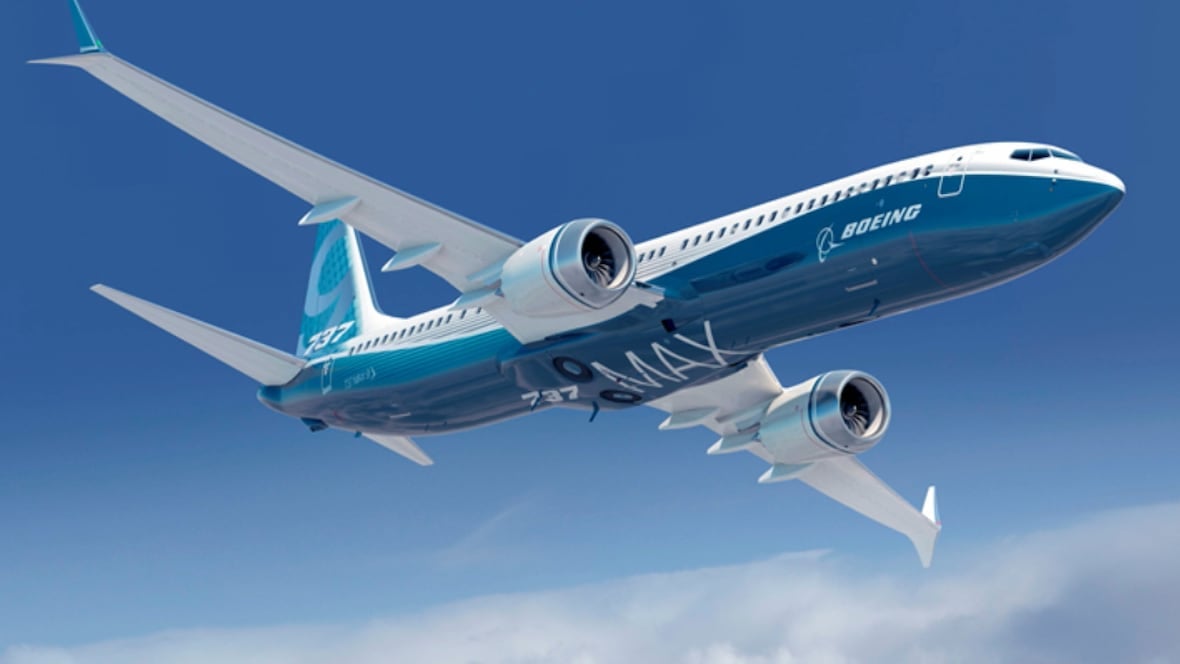
The suspected damage involves a structural reinforcement called the bear strap, positioned at the forward upper corner of the forward galley door cutout. The location is near the galley and the right-side forward service door.
As of August 6, 2026, no cracks had been reported on a 737 Max aircraft specifically. The directive instead follows findings on older 737 Next Generation aircraft that share a similar design and manufacturing process.
The agency said inspections should identify damage before cracks reach a “critical length” or threaten the airplane’s structural integrity. Mandatory inspection intervals provide multiple opportunities to find deterioration before it can affect the aircraft’s ability to carry required loads.
“This AD was prompted by reports of cracks in the bear strap at the forward upper corner of the forward galley door cutout,” the directive states.
The order applies to about 1,429 aircraft worldwide, including the U.S.-registered planes. Compliance windows range from 3,000 to 30,000 flight cycles, depending on the aircraft and inspection requirement.
Some detailed inspections could cost as much as $160,140 per inspection cycle, based on the agency’s estimate. Airlines must fit the work into the schedules assigned to each aircraft.
Operators plan to fold the checks into scheduled maintenance
Southwest Airlines said it was reviewing the directive. A spokesperson said the carrier “will accomplish the inspections on the affected airplanes according to the schedule specified by the FAA.”
United Airlines does not expect an immediate effect on its schedule. A spokesperson said, “We don't anticipate any impact to our operations in the near term and will accomplish the inspections during heavy maintenance visits.”
The directive does not require an immediate fleetwide removal from service. Each operator must meet the assigned inspection interval and follow the order’s instructions if technicians find damage.
Boeing said the issue first emerged on 737 Next Generation aircraft, not on its 737 Max fleet. The manufacturer extended the checks because the aircraft share a similar design and build process.
“Boeing identified and reported this issue and has been working with operators on it over the past six years. This issue has not been observed on the 737 MAX fleet, but Boeing extended the inspections to 737 MAX airplanes as the model shares a similar design and build process.”
The company also said it is “introducing changes” to its manufacturing process to address the root cause on airplanes still in production. Boeing added, “We support both directives and continue to support our airline customers.”
The order focuses on the fuselage around a forward door
The affected reinforcement strengthens the front-door frame. The directive also addresses possible cracks in the surrounding fuselage skin.
The safety concern involves the principal structural element’s ability to sustain limit loads. If damage progresses, the directive says, it could adversely affect the airplane’s structural integrity.
“The FAA is issuing this AD to address cracks in the fuselage skin and bear strap, which may lead to the inability of the principal structural element to sustain limit loads and adversely affect the structural integrity of the airplane.”
Luis Cortez-Muniz, an Aviation Safety Engineer, served as the technical contact for the directive. The Federal Register published the Airworthiness Directive on August 5, 2026, under Docket No. FAA-2025-3985.
The inspection requirement extends a structural-cracking issue first identified in 2019 on the 737 Next Generation fleet. Earlier findings involved pickle fork and bear strap components.
Because the two aircraft families share nearly identical fuselage structures near the doors, the agency determined that the newer fleet could face similar fatigue-related cracking over time. The order therefore applies to aircraft without reported cracks in the targeted area.
A separate seat proposal also affects hundreds of aircraft
On July 28, 2026, the agency proposed an additional airworthiness directive for 453 U.S.-registered MAX jets. That proposal concerns passenger seats that were not correctly locked into seat tracks.
The seat condition could allow seats to dislodge during turbulence or emergency landings. The proposal could affect up to 80,000 seats globally.
Airlines must handle the seat-related work and the structural inspections according to the separate timelines set by the respective directives. The two measures address different aircraft components.
The current order also requires Boeing to account for the issue on newly built aircraft. Agency documents say the manufacturer has already implemented engineering changes intended to prevent this type of cracking in new production.
The first inspections become mandatory when the directive takes effect on September 10. Operators must then track each airplane’s assigned threshold, with the longest compliance window reaching 30,000 flight cycles.