- The FAA certified the Boeing 737-7 on August 3, 2026, after years of technical reviews.
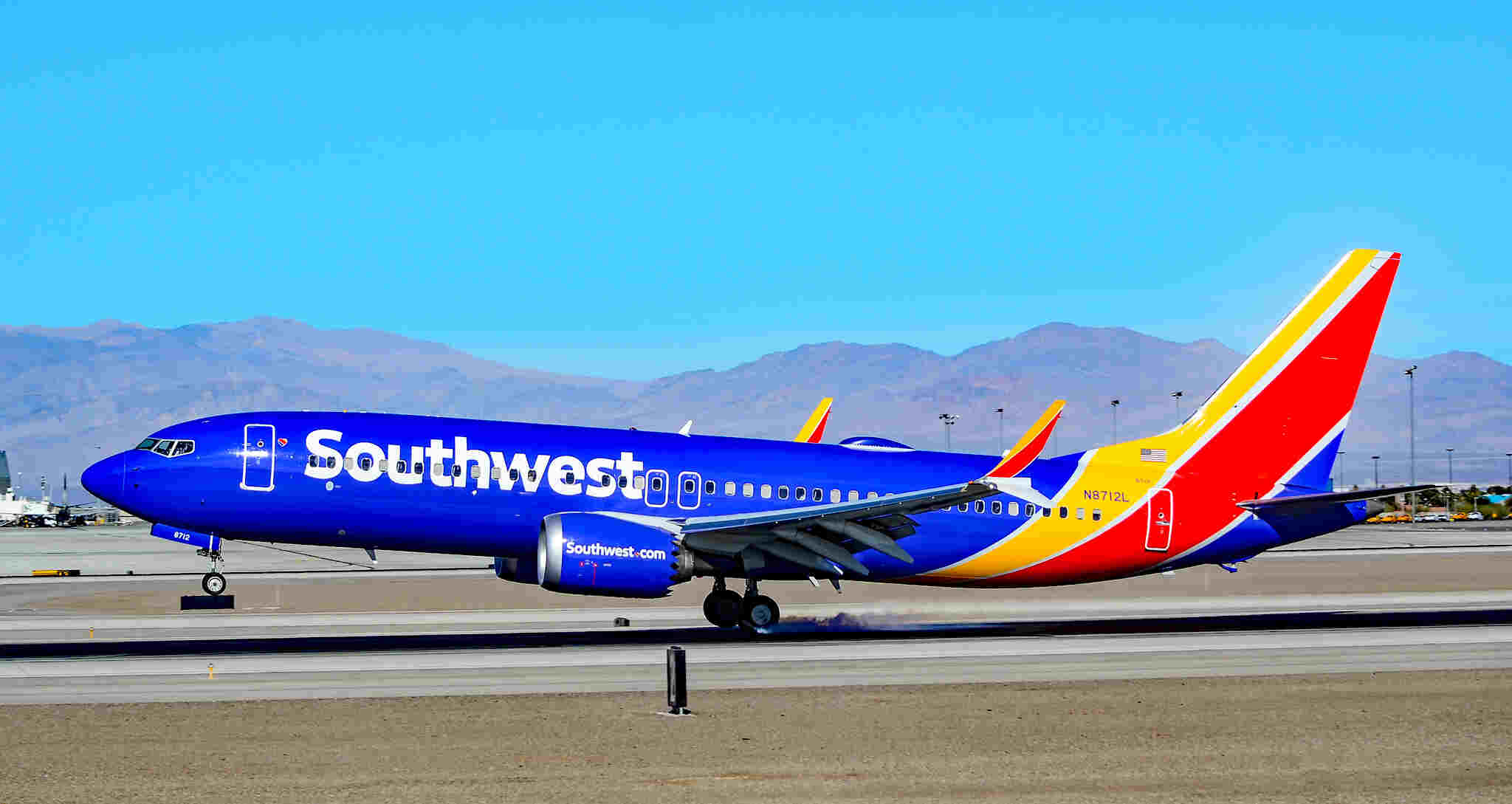
- Launch customer Southwest Airlines expects to begin passenger service in the first quarter of 2027.
- The redesign includes an improved engine anti-ice system and updated flightcrew alerting software to enhance safety.
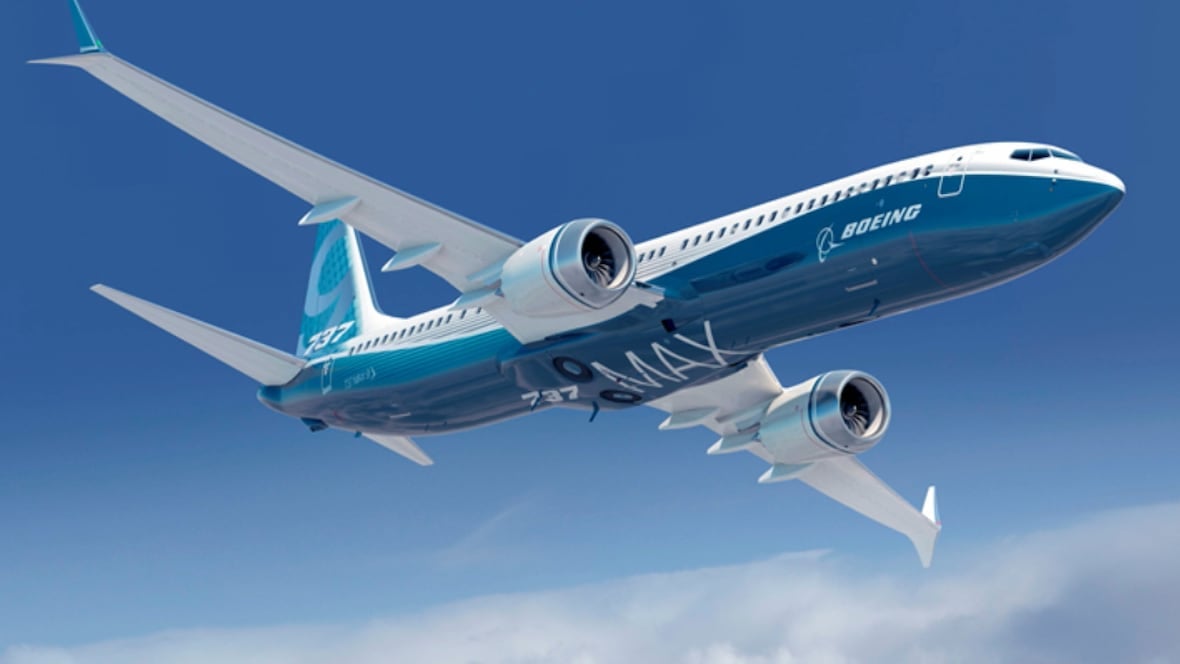
The Federal Aviation Administration certified Boeing’s 737-7 on Monday, clearing the smallest MAX variant for production and commercial service after years of technical redesigns and regulatory review.
The approval came on August 3, 2026, through an amended type certificate and an update to Boeing Production Certificate No. 700. The agency also updated the aircraft’s Production Limitation Record.
Boeing began the certification program in 2018. The company completed 441 flight tests over 686 test flight hours, while its broader program included more than 1,000 hours of flight and ground testing.
The approval follows the 2018 and 2019 fatal MAX crashes. Those accidents brought tighter scrutiny and led federal lawmakers to require “key improvements” to the aircraft.
The changes include updated flight-control software, improved flightcrew alerting and a redesigned engine anti-ice system. The FAA said the final design gives pilots clearer warnings and prevents the engine inlet from overheating and potentially weakening the surrounding structure.
“Following almost a decade of extensive review, the FAA has issued an amended type certificate. The approval reflects years of sustained work to resolve complex technical issues and complete a thorough review of the airplane’s design and supporting safety analyses.”
The agency issued that statement with the certification. Boeing’s approval sets up the first delivery to Southwest Airlines, the launch customer, but passenger flights remain months away.
Southwest expects the first passenger flights in early 2027
Southwest holds the majority of the 282 outstanding firm orders for the 737-7. The airline plans to use the aircraft to replace its aging 737-700 fleet.
Chief Executive Bob Jordan said the carrier expects to begin passenger flights in the first quarter of 2027. Southwest must receive the aircraft, complete pilot training and prepare the planes for service before that schedule can begin.
The aircraft is the smallest and longest-range member of the 737 MAX family. Boeing lists a two-class capacity of 135 to 160 seats and a range of 3,800 nautical miles, or 7,040 km.
Its projected operating figures include a 20% reduction in fuel use and carbon dioxide emissions, along with a 50% smaller noise footprint compared with predecessor models. The 737-7’s range is roughly 10% greater than that of other MAX variants.
| Certification and aircraft details | Figure or status |
|---|---|
| Certification date | August 3, 2026 |
| Aircraft | Boeing 737-7, the smallest MAX variant |
| Production approval | Amended type certificate; updated Production Certificate No. 700 |
| Two-class capacity | 135 to 160 seats |
| Range | 3,800 nautical miles, or 7,040 km |
| Firm Southwest orders | 282 outstanding orders |
| First Southwest passenger flights | First quarter of 2027 |
Around 30 MAX 7 aircraft are already in storage. Those airplanes must receive retrofits to match the final certified configuration before Boeing can deliver them.
The anti-ice system drove the final redesign
The engine anti-ice system became one of the main obstacles during the certification campaign. Boeing chose a permanent engineering fix after withdrawing an earlier exemption request following the 2024 Alaska Airlines door plug incident.
That decision pushed the timeline toward mid-2026. The final system addresses the risk that overheating could weaken the engine inlet and the structure around it.
The aircraft also incorporates requirements from the Aircraft Certification, Safety, and Accountability Act. Those requirements cover software changes, flightcrew alerting and other safety improvements shaped by the MAX crash investigations.
The new cockpit alerting architecture is designed to provide clearer information and warnings. It also addresses National Transportation Safety Board recommendations aimed at reducing pilot workload during emergencies.
Stephanie Pope, president and chief executive of Boeing Commercial Airplanes, said the approval recognized the work behind the aircraft’s development.
“This important certification validates the rigor of our airplane's design and recognizes the determination and resilience of our 737 MAX development team. Our team of dedicated engineers and test experts worked through challenges, an extended pandemic, and the transition to new certification processes.”
The certification campaign lasted through the pandemic and a transition to new certification processes. The company’s test program began in 2018 and included the 441 flight tests and 686 test flight hours cited by Boeing.
Inspectors will remain at Boeing facilities
Certification does not end the agency’s scrutiny of Boeing’s manufacturing operations. FAA safety inspectors will remain on-site at Boeing facilities to monitor production processes and the company’s Safety Management System.
The oversight will continue indefinitely. The agency increased resources devoted to Boeing certification by 35% to 40%, according to FAA Administrator Bryan Bedford, who discussed the increase in July.
Boeing is trying to increase output of both 737 MAX jets and 787 Dreamliners as it works toward a target of $10 billion in annual free cash flow. The agency has authorized the company to raise 737 production to 47 aircraft per month, with a goal of reaching 52 monthly jets by early 2027.
Chief Executive Kelly Ortberg, who joined Boeing in August 2024, previously said stable production would require “a few months of stabilization.” The on-site inspection program will continue as the company works through that ramp-up.
A separate inspection issue involves 31,000 737 MAX seats. The FAA recently flagged those seats for inspection over concerns about improper installation, independently of the 737-7 certification.
Boeing turns to the MAX 10 after the approval
The certification gives Boeing a cleared smaller aircraft while the company continues work on the largest MAX variant, the 737 MAX 10. That model is expected to receive its own FAA certification by the end of 2026.
The 737-7 approval also gives Southwest a defined delivery path after years of delay. The stored aircraft still require final-configuration retrofits, followed by airline acceptance and crew training.
Boeing shares rose 7.4% to approximately $232.00 after the announcement. The company must now convert the regulatory approval into deliveries while inspectors watch the production line and Southwest prepares for service in the first quarter of 2027.