FAA Issues Airworthiness Directive for Quality Issue Affecting Seats on Hundreds of Boeing 737 MAX Jets
The Federal Aviation Administration proposed mandatory seat inspections for 453 U.S.-registered Boeing 737 MAX aircraft on July 27, 2026. Incorrectly installed passenger seats could disengage during turbulence or emergency landings, injure people, or block evacuation routes.
The proposal covers the Boeing 737 MAX 8, 737 MAX 9, and 737-8200. It is not a grounding order. Airlines can complete the inspections during scheduled maintenance, but they must address any faulty installation identified during the work.
U.S. operators face an estimated maximum cost of $2,656,845. The FAA’s public comment period ends September 10, 2026. The agency will review comments before issuing a final legally binding rule.
Why the FAA Proposed Inspections for 453 Boeing 737 MAX Jets
The safety concern involves track-mounted passenger seat assemblies installed on affected aircraft. These assemblies attach to seat tracks in the aircraft floor.
The FAA found that some aft fitting shear plungers were not lowered and engaged correctly. These components help secure each seat assembly in its tracks.
The agency described the problem this way:
“aft fitting shear plungers were not correctly lowered and not engaged in the seat tracks”
If the fittings are not correctly engaged, a seat assembly can move or detach when the cabin experiences unusually high forces. Those forces can occur during severe turbulence, a hard landing, or an emergency landing.
The risk affects more than the passenger sitting in the seat. A detached assembly could strike passengers or crew nearby. It could also obstruct the aisle and slow evacuation after an accident.
The FAA warned:
“A track-mounted passenger seat assembly that is installed incorrectly can disengage from the seat tracks if there is an increased load, turbulence, or emergency landing”
The agency also stated:
“This condition, if not addressed, could result in injury to passengers and crew during an emergency landing or could block the aisle, which could slow evacuation”
Which Boeing 737 MAX Aircraft and Seats Are Covered
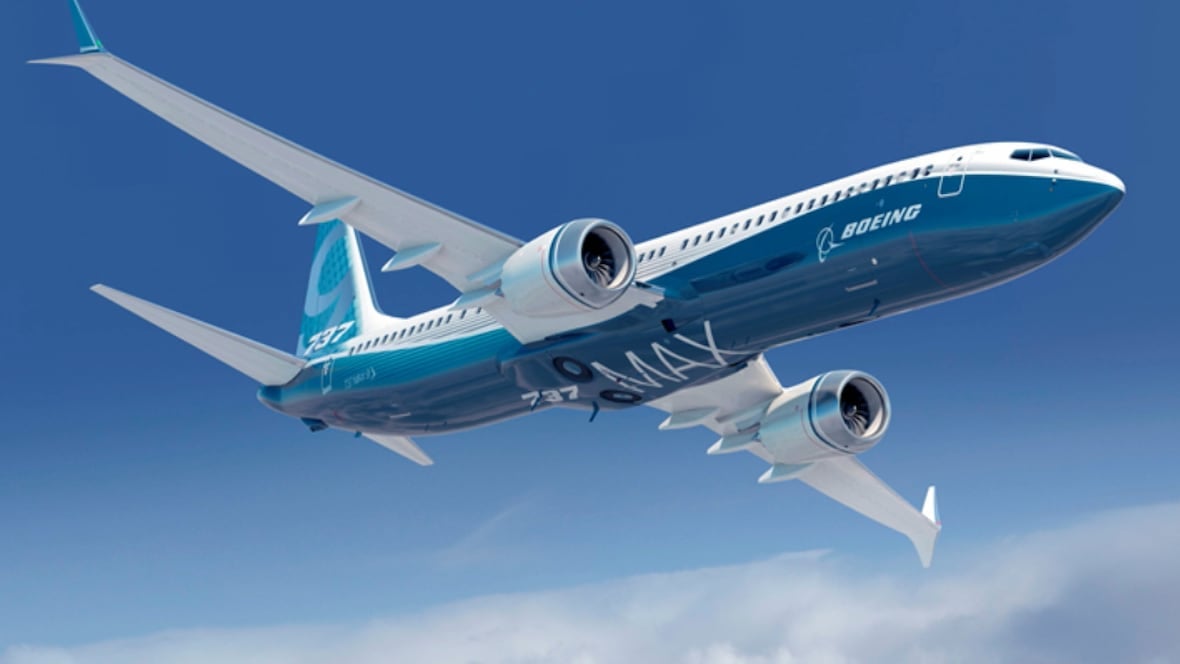
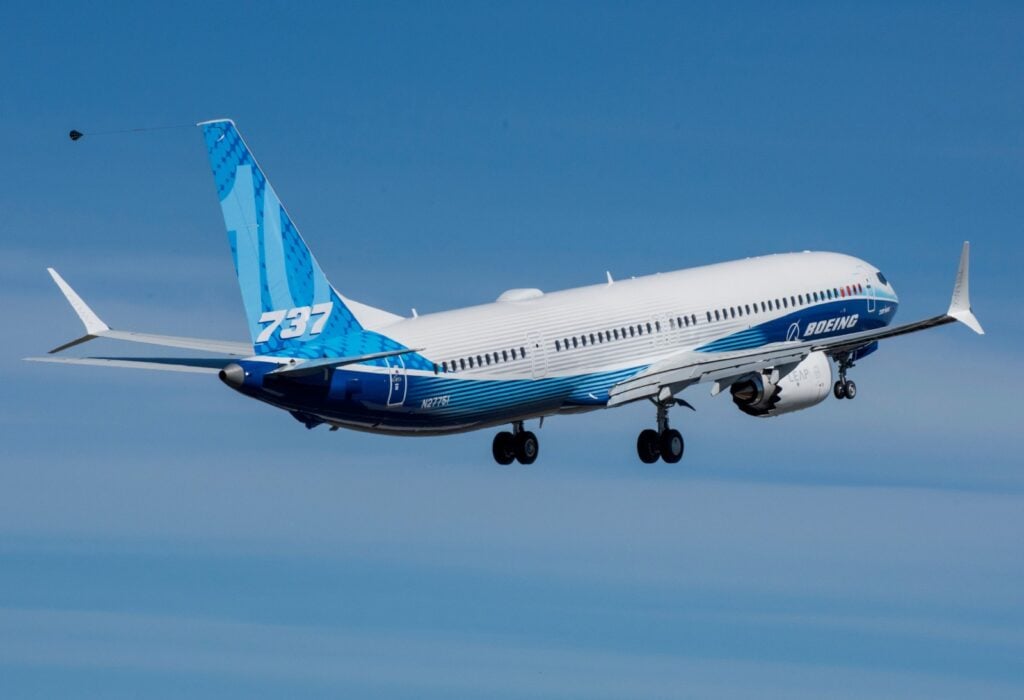
The proposed airworthiness directive applies to 453 U.S.-registered aircraft in three model groups:
- Boeing 737 MAX 8, also identified as the 737-8.
- Boeing 737 MAX 9, also identified as the 737-9.
- Boeing 737 MAX 8200, also identified as the 737-8200.
The action focuses on track-mounted passenger seat assemblies. Each aircraft can have up to 69 assemblies requiring inspection. Across the affected fleet, the inspection program covers more than 80,000 seats, based on the FAA’s fleet estimate.
The issue does not mean every seat on every aircraft is incorrectly installed. Maintenance personnel must inspect the seat-track fittings and determine whether each assembly is correctly secured.
What the Proposed FAA Airworthiness Directive Requires
The FAA proposal would require a detailed inspection of the fittings on both sides of each affected seat assembly. Inspectors would verify that the fittings are installed and engaged correctly.
The proposed directive states:
“This proposed AD would require a detailed inspection of the seat track fittings of each left and right side track-mounted passenger seat assembly for correct installation and applicable on-condition actions”
“On-condition actions” means corrective work required when an inspection finds a problem. The work could involve correcting the installation or reassembling the affected seat assembly.
The inspection process would focus on:
- The left-side seat-track fittings.
- The right-side seat-track fittings.
- The position and engagement of the aft fitting shear plungers.
- Any corrective action required after the inspection.
The FAA’s proposal does not require passengers to take a separate action. Airlines and approved maintenance personnel would handle the inspection and any repairs.
Inspection Costs Could Reach $2,656,845 for U.S. Operators
The FAA estimates that the required work could cost U.S. operators up to $2,656,845. Boeing told the agency that warranties could cover some or all of the cost.
| Item | FAA estimate |
|---|---|
| U.S.-registered aircraft covered | 453 |
| Aircraft models covered | 737 MAX 8, 737 MAX 9, and 737-8200 |
| Maximum seat assemblies per aircraft | 69 |
| Inspection cost per seat assembly | $85 |
| Inspection labor | One work-hour per assembly |
| Additional correction time, if needed | One additional hour per assembly |
| Maximum estimated cost for U.S. operators | $2,656,845 |
The agency’s estimate assumes as many as 69 seat assemblies on one aircraft. The number can vary between aircraft.
The primary task is confirming that existing fittings are correctly installed and engaged. The FAA’s estimate does not generally require replacement parts.
Airlines such as Southwest and United operate Boeing 737 MAX aircraft that could fall within the affected group. Warranty coverage could reduce direct costs, but carriers still need to schedule the inspections and track compliance.
Airlines Do Not Have to Ground Affected Jets Immediately
The proposed action is an inspection requirement, not an immediate grounding order. Airlines can coordinate the work with planned maintenance visits.
An aircraft with an incorrectly installed seat assembly does not automatically stop flying under the proposal. The carrier must complete the required inspection and perform any necessary corrective work under the final rule.
This approach allows operators to plan the work while addressing the safety concern before a high-force event occurs. The risk is tied to unusual loads, severe turbulence, hard landings, and emergency landings.
A seat assembly that remains correctly secured presents no identified problem under this proposed action. The concern involves a fitting that was not properly lowered and engaged in the seat track.
Boeing Issued Seat-Installation Guidance in December 2025
Boeing issued Special Attention Requirements Bulletin 737-25-1927 RB on December 10, 2025. The bulletin followed internal reports involving seat-installation errors.
Boeing said it had already provided instructions to operators before the FAA proposed making the work mandatory.
A Boeing representative stated:
“Boeing issued guidance to operators on this in December 2025. We support the FAA making that guidance mandatory.”
Boeing also told the FAA that warranties could cover some or all inspection and corrective-work costs.
The FAA issued its proposed airworthiness directive on July 27, 2026, after reviewing Boeing’s December bulletin. A final rule would establish the enforceable compliance requirements after the public comment process.
FAA Production Oversight Provides Wider Boeing Context
The seat-track proposal follows other recent FAA actions involving Boeing’s production oversight.
On July 20, 2026, the FAA said it would allow Boeing to resume issuing airworthiness certificates at the end of production for all 737 MAX and 787 airplanes. An airworthiness certificate confirms that an aircraft meets applicable safety requirements for operation.
The FAA said the decision followed:
“months of thorough data and safety review demonstrating consistent production quality”
The agency also said it would continue inspections, audits, and monitoring of Boeing’s production system.
That decision does not eliminate the need for targeted safety actions. The proposed seat inspection shows that the FAA continues to address specific manufacturing and installation concerns through mandatory rulemaking.
How Airlines and Other Parties Can Comment
The FAA is accepting comments on the proposed airworthiness directive through September 10, 2026.
Airlines, aircraft manufacturers, maintenance organizations, labor groups, and other interested parties can use the comment period to support the proposal, challenge its requirements, or request changes.
Comments can address issues such as:
- The inspection procedure and required corrective actions.
- The time needed to inspect each seat assembly.
- Coordination with scheduled maintenance.
- The estimated compliance cost.
- Warranty coverage and responsibility for the work.
After the deadline, the FAA will review submitted comments. The agency can issue the rule as proposed, revise it, or take another action allowed under the rulemaking process.
What Passengers Need to Know Before Flying
Passengers do not need to inspect their seats or contact the FAA under the proposed directive. Airlines and qualified maintenance personnel are responsible for the work.
The proposal also does not announce a fleetwide grounding or require airlines to cancel flights immediately. Carriers can perform the inspections during maintenance visits unless the FAA later sets different requirements in a final rule.
The safety concern involves a rare, high-force event. During normal flight, an incorrectly engaged seat fitting can remain in place. During severe turbulence or an emergency landing, the assembly could disengage and obstruct an evacuation path.
For the latest operational information, check your airline’s flight status and safety notices. The formal regulatory deadline for comments is September 10, 2026.