- The FAA ordered inspections of about 471 in-service planes after identifying a possible fuselage-cracking susceptibility.
- Checks will examine the bear strap near exit doors, a structure supporting the fuselage.
- Operators will use inspection protocols from earlier 737 Next Generation models to detect cracks before they reach critical dimensions.
The Federal Aviation Administration ordered operators of about 471 Boeing 737 Max planes to inspect for possible fuselage cracks, citing a susceptibility tied to the aircraft’s structural design. The agency issued the airworthiness directive Saturday.
The checks apply to planes currently in service. Operators must inspect an area of the fuselage around the aircraft’s exit doors.
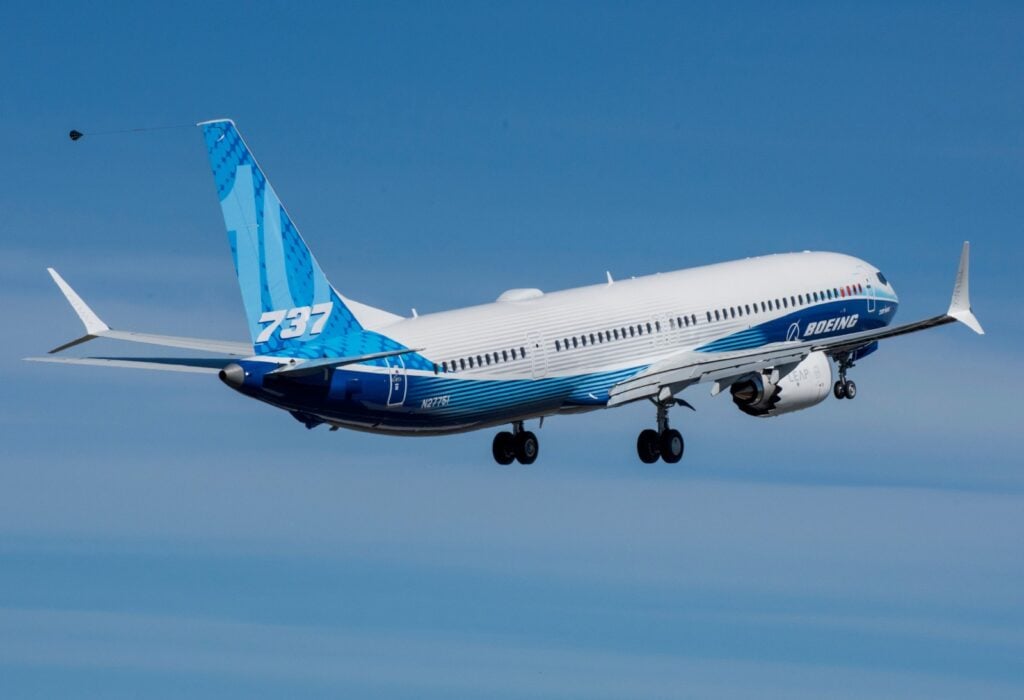
The order identifies a specific structural component. It also draws on inspection procedures used for earlier 737 models.
Inspectors will focus on support structure around exit doors
The inspection centers on the bear strap, a structure that supports the fuselage near exit doors. The agency’s directive calls for checks using protocols established for earlier Boeing 737 Next Generation models.
The directive’s stated concern is potential cracking. The checks are intended to identify cracks before they reach critical dimensions, according to Boeing’s description of the inspection regimen.
The aircraft count is approximately 471. Those planes are in service, rather than a count of all 737 Max aircraft produced or ordered.
The checks add to Boeing's recent safety scrutiny
The FAA’s order comes against a backdrop of earlier 737 Max safety crises. Two fatal crashes involving 737 MAX aircraft occurred in 2018 and 2019.
A nearly new Alaska Airlines MAX 9 also suffered a mid-air cabin panel blowout. Those events have formed part of the intense regulatory scrutiny Boeing has faced in recent years.
The new directive addresses a different issue: possible fuselage cracking around a structural support near exit doors. Its inspection protocols follow those used on earlier 737 Next Generation models.
Boeing says inspections can catch cracks before they grow
Boeing said it is working with airlines and regulators on the inspections. The company described the regimen as offering multiple chances to find and address problems before cracks reach critical dimensions.
The directive focuses on detecting possible damage in the designated area. Boeing’s account emphasizes the opportunity for problems to be identified and addressed during those inspections.
The agency’s order applies to approximately 471 in-service planes, with inspections centered on the fuselage structure around the exits.