- New Orleans wind gusts reached 84 mph while the aircraft was parked.
- Boeing’s revised inspection instructions use a 75 mph wind threshold.
A Southwest Airlines Boeing 737 MAX 8 flew 44 times with undetected storm damage before a rudder problem surfaced in flight, an NTSB report says. Hangar footage later showed the rudder moving right but not left during a maintenance test recorded as passed.
The agency’s report is dated November 5, 2026. It traces the damage to high winds while the plane was parked in New Orleans and identifies a missed inspection and an improperly conducted test.
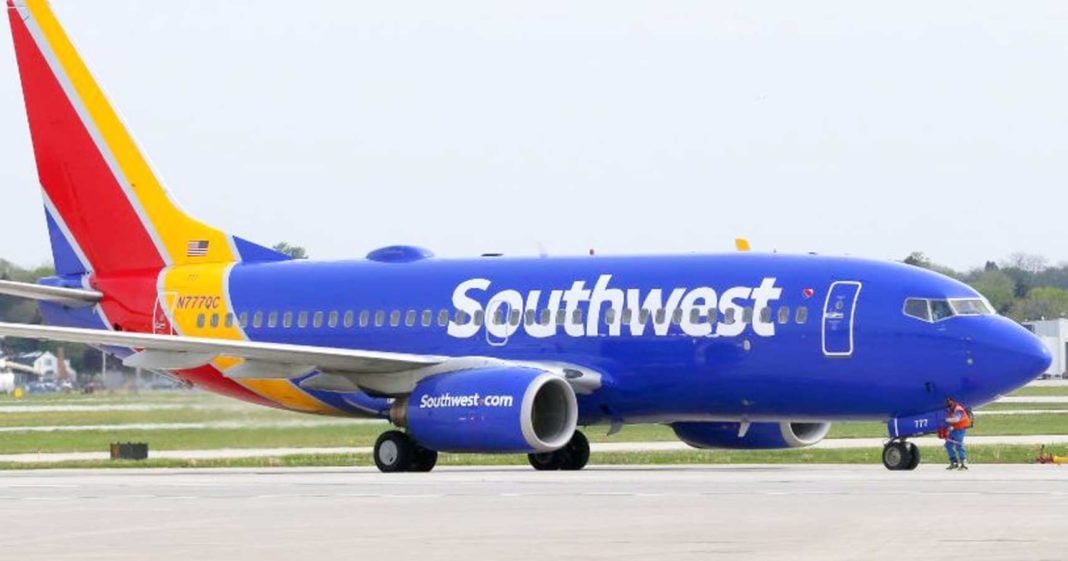
The aircraft’s in-flight problem occurred on Flight 746, traveling from Phoenix to Oakland. The plane landed safely, and no one was injured.
Flight 746 landed safely after pilots felt unusual movement
The flight carried 175 passengers and six crew members. At cruising altitude, the captain described “a small amount of Dutch roll,” a combination of yawing and rolling. The first officer noticed the tail moving back and forth.
Investigators said storm winds likely damaged components supporting the standby rudder system. The account places the aircraft’s earlier exposure to those winds in New Orleans; it does not establish who first discovered the physical damage.
The footage of the maintenance test was reviewed during the investigation, after the flight event. It showed rudder movement in one direction, but not the other. Maintenance personnel had not visually confirmed the rudder’s position during the test.
The timeline accounts for 44 flights before the incident
The NTSB’s chronology begins with the aircraft parked in New Orleans during thunderstorms on May 16, 2024. Gusts reached 84 mph.
- From May 17 to 23, 2024, the aircraft made 38 flights with no reported rudder anomalies.
- Scheduled maintenance took place on May 23. The standby hydraulic system received an operational test, but staff did not visually verify rudder movement.
- Six more flights followed before the in-flight problem.
Together, the two flight periods account for the 44 trips with damage still undetected. The maintenance test’s recorded pass did not reflect what the surveillance footage showed. The investigation also found that no high-wind conditional inspection followed the storm.
The NTSB identified “the improper accomplishment of the standby hydraulic system operational test by Southwest Airlines maintenance personnel” as a contributing factor.
Southwest and Boeing changed inspection procedures
Southwest inspected its 737 MAX fleet and reported finding no similar damage. The airline also added more detailed maintenance sign-offs and procedures for identifying aircraft exposed to extreme winds.
Boeing revised its maintenance instructions to require additional inspections when parked aircraft experience winds reaching 75 mph. Those changes address inspections and maintenance procedures; the investigation does not establish that the damage affected other Southwest aircraft.
The NTSB has not stated whether the aircraft involved in Flight 746 was taken out of service, repaired or returned to service. Its report details the investigation’s findings, including the missed test warning and the timeline of flights before the incident.