The Federal Aviation Administration (FAA) ordered tail inspections for nearly 2,000 U.S.-registered Boeing 737NG aircraft after reports of in-flight pitch oscillations. Its Airworthiness Directive 2026-20-14 was published October 19, 2026, and takes effect November 23, 2026.
It covers the 737-600, -700, -700C, -800, -900 and -900ER. The 737 MAX is excluded.
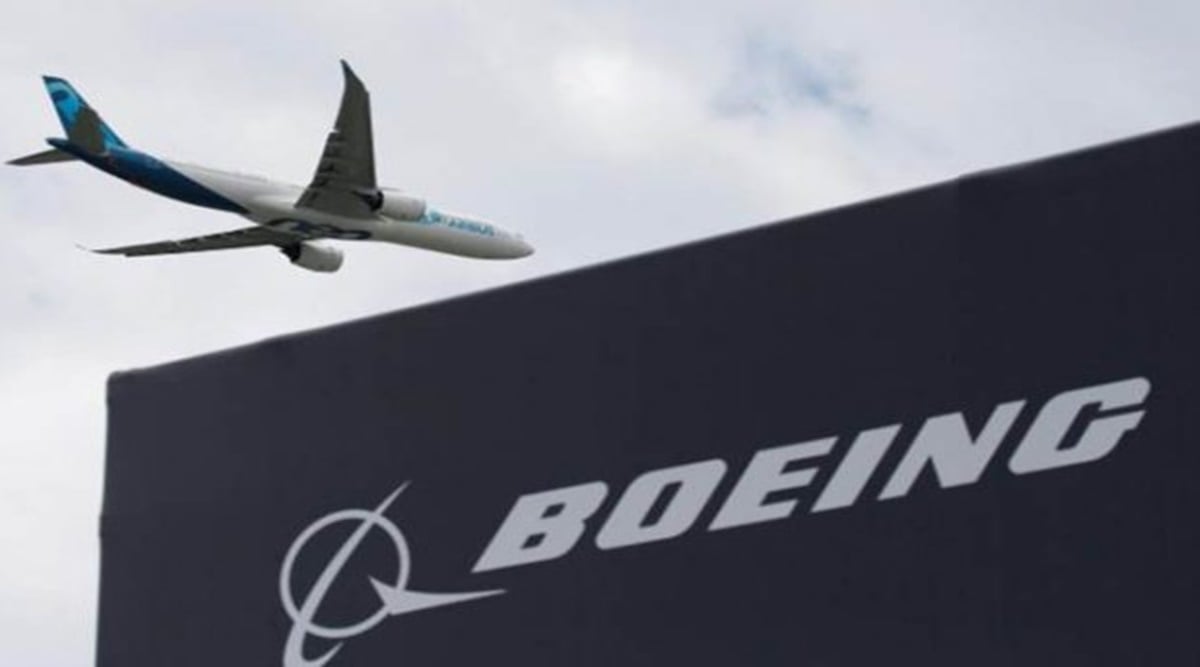
The directive does not ground the fleet. Aircraft needing repairs or replacement parts may require additional maintenance before they can continue operating. More than 5,160 737NG aircraft are active worldwide; authorities in other countries will decide whether to require inspections on aircraft registered there.
The agency did not identify when or where the pitch events occurred
Multiple operators reported nose-up and nose-down oscillations associated with excessive movement, or freeplay, in the horizontal stabilizer. The agency did not specify the number of incidents, when they happened, which airlines were involved or where the events occurred.
The horizontal stabilizer adjusts an aircraft’s nose-up or nose-down attitude. Wear can increase movement in its components.
The agency warned:
“The unsafe condition, if not addressed, could lead to a flutter event, which can result in loss of control of the airplane.”
Inspectors will measure movement at the hinges and jackscrew
Operators must measure freeplay at the stabilizer’s left and right pivot hinges and at the jackscrew that positions it. Results determine whether further checks, repairs or replacement work are needed.
Boeing Alert Requirements Bulletin 737-55A1104 RB, dated June 12, 2025, sets out the inspection procedures incorporated into the directive. Some aircraft may also need repeat measurements at intervals specified by the order.
Airline requests and follow-up repairs could change the workload
United Airlines, which has more than 300 affected aircraft, asked for longer intervals between repeat inspections and credit for checks already completed. It also sought longer intervals for aircraft with replacement hinge bearings than for those retaining original parts.
Canadian North asked to move the initial inspection threshold from 12 months to 36 months, so the work could align with heavy maintenance visits. Alaska Airlines sought immediate repairs to worn parts instead of interim freeplay checks.
The agency estimates the measurement will take six work-hours and cost $510 per aircraft, based on an assumed labor rate of $85 an hour. It puts the initial inspection bill across the affected U.S. fleet at approximately $1 million.
Those estimates exclude repairs and replacement components. The agency could not determine how many aircraft might need replacement parts or set prices for those parts.
Operators should follow the directive’s schedule for each aircraft
Operators should use the compliance schedule in AD 2026-20-14 to plan measurements and any follow-up work. The inspection procedures are detailed in a Boeing bulletin dated June 12, 2025.