Key Takeaways
• NTSB’s June 6, 2025 report links American Airlines Flight 1006 engine fire to faulty installation and maintenance errors.
• Twelve passengers suffered minor injuries during an emergency evacuation after a right engine fire at Denver Airport.
• Investigation found backward lockwire, loose fuel fitting, cracked fan blade, and slide deployment failure.
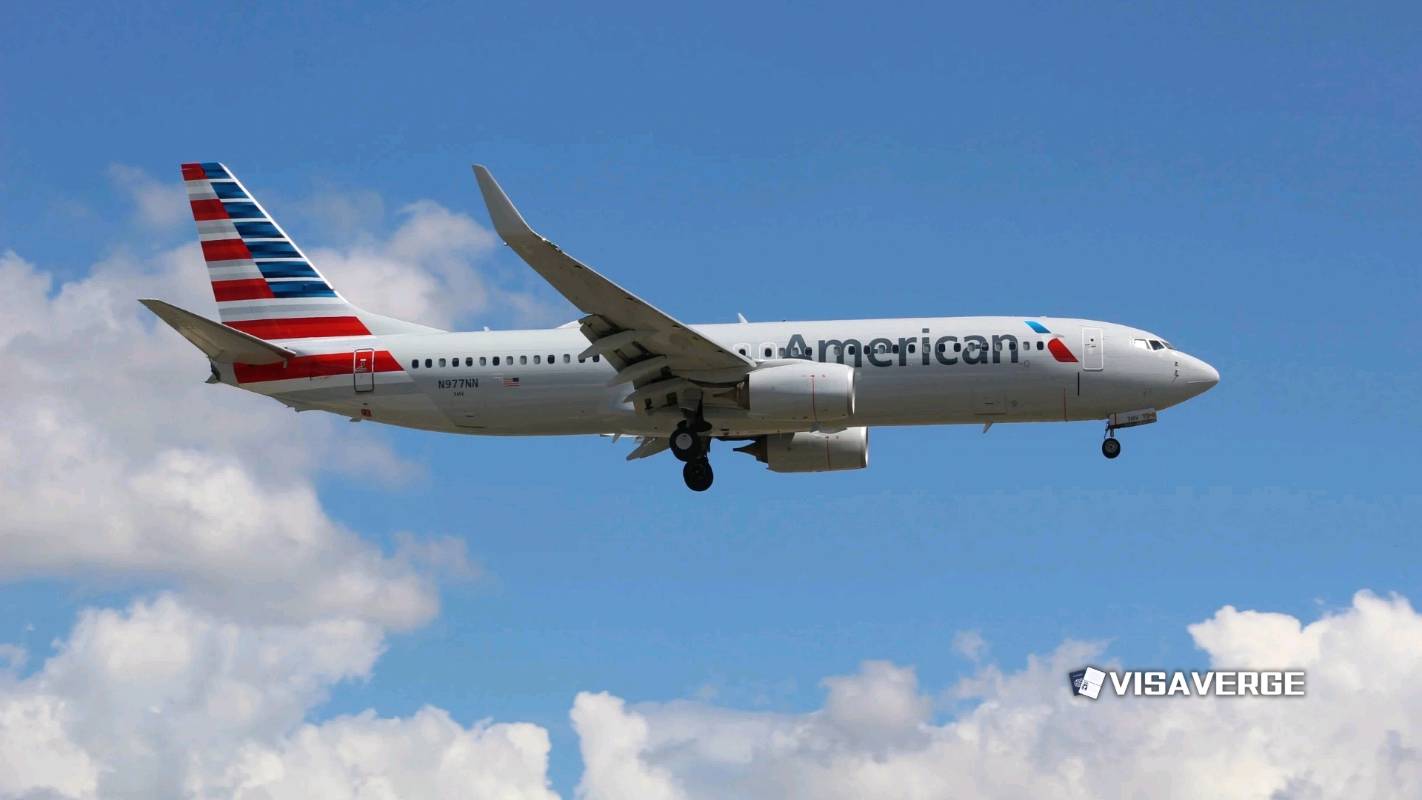
A preliminary report from the National Transportation Safety Board (NTSB) released on June 6, 2025, has identified faulty installation and maintenance errors as the main causes of the engine fire aboard American Airlines Flight 1006. The incident happened on March 13, 2025, when the Boeing 737-823, carrying 172 passengers and 6 crew members, was forced to divert to Denver International Airport after the crew noticed engine vibrations. After landing and shutting down the engines, a fire broke out in the right engine, leading to an emergency evacuation. Twelve passengers suffered minor injuries during the evacuation, and the event has since raised serious questions about maintenance oversight and airline safety practices.
What Happened: The Sequence of Events
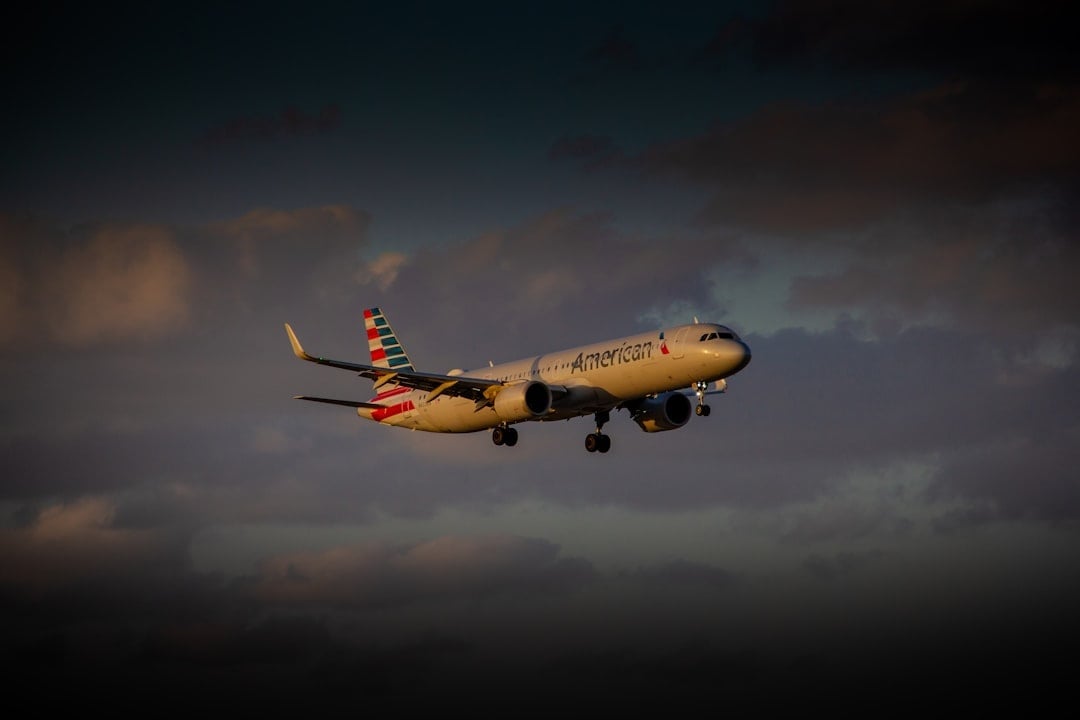
The flight began as a routine journey from Colorado Springs to Dallas/Fort Worth. Shortly after takeoff, the crew detected unusual vibrations in the right engine. Following established safety procedures, the pilots decided to divert to Denver International Airport, where they landed safely. However, after the engines were shut down and the aircraft was taxiing to the gate, a fire erupted in the right engine.
Emergency crews responded quickly and extinguished the fire within a minute. The crew initiated an emergency evacuation, but not everything went smoothly. One of the escape slides failed to deploy properly and jammed a door, forcing passengers to use other exits, including the over-wing exits and the front left door. This led to chaos and confusion, with some passengers describing fear and a lack of clear communication during the evacuation.
NTSB Preliminary Findings: What Went Wrong
The NTSB’s initial investigation uncovered several critical issues:
- Faulty Installation: Investigators found that several engine components were installed incorrectly. Most notably, a lockwire on the variable stator vane (VSV)—a part that helps control airflow inside the engine—was installed backward. In simple terms, this means a safety wire meant to keep a part in place was put in the wrong way, which could let the part move or come loose.
- Loose Fuel Fitting: A fuel fitting, which connects fuel lines to the engine, was found to be loose. This allowed fuel to leak, creating a dangerous situation where fuel could easily catch fire.
- Cracked Fan Blade: The right engine also had a damaged fan blade. Fan blades are large metal pieces that spin at high speed to pull air into the engine. A crack in one of these blades can cause vibrations and, in some cases, lead to engine failure.
- Fuel Leak Evidence: Video footage from the airport showed a trail of leaking fluid from the right engine as the plane taxied to the gate, confirming the presence of a fuel leak.
- Evacuation Slide Failure: During the emergency evacuation, one of the slides did not deploy correctly and jammed a door. This forced passengers to use other exits, which slowed down the evacuation and increased the risk of injury.
The NTSB stressed that these findings are preliminary. The investigation is ongoing, and a final report is expected later in 2025.
Stakeholder Responses and Industry Reactions
American Airlines
American Airlines has stated, “The safety of our customers and team members is our top priority and we are cooperating with the National Transportation Safety Board in its investigation.” The airline is working closely with investigators and reviewing its maintenance procedures to prevent similar incidents in the future.
CFM International
The right engine involved in the fire was a CFM56-7B, produced by CFM International, a partnership between GE and Safran SA. GE declined to comment on the incident, and Safran has not responded to media inquiries. The CFM56-7B engine is known for its reliability and is widely used in commercial aviation.
Aviation Unions
Several unions, including the Allied Pilots Association, Transport Workers Union, and Association of Professional Flight Attendants, are involved in the investigation. They are advocating for improved maintenance oversight and better training for technicians.
Expert Opinions
Sharon Petersen, CEO of AirlineRatings.com, described the findings as “a serious concern,” emphasizing the need for careful engineering and thorough inspections. Cary Grant, an aviation safety expert at Embry-Riddle Aeronautical University, noted that such engine failures are rare and that air travel remains very safe overall. He pointed out that the CFM56-7B engine has a strong track record for reliability.
Maintenance Oversight and Quality Control
The incident has brought renewed attention to the importance of maintenance quality control in the aviation industry. The NTSB is focusing on several key areas:
- Technician Training: Ensuring that maintenance staff are properly trained to follow manufacturer instructions and safety protocols.
- Post-Maintenance Inspections: Making sure that all work is checked and double-checked before an aircraft is returned to service.
- Compliance with Manufacturer Specifications: Verifying that all repairs and installations meet the exact standards set by the engine and aircraft manufacturers.
There is particular concern about the role of third-party maintenance facilities, which are often used by airlines to save costs. The NTSB is examining whether these facilities have the same level of oversight and quality control as airline-operated maintenance centers.
Evacuation Procedures and Passenger Safety
The failure of the emergency slide to deploy correctly is being investigated separately. The slide has been sent back to the manufacturer for analysis. Emergency slides are a critical safety feature, designed to allow passengers to exit the aircraft quickly in case of fire or other emergencies. When a slide fails, it can slow down the evacuation and put lives at risk.
During the evacuation of Flight 1006, passengers had to use alternative exits, including the over-wing exits and the front left door. This led to confusion and minor injuries for twelve passengers. Some passengers reported a lack of clear communication between the crew and the cockpit, which added to the chaos.
Broader Industry Impact
While no immediate regulatory changes have been announced, the aviation industry is expected to review its maintenance protocols and inspection routines in light of the NTSB’s findings. Airlines and maintenance providers may need to reinforce their quality control procedures and ensure that all technicians are properly trained and supervised.
The Federal Aviation Administration (FAA) is closely monitoring the situation and may issue new directives or guidance depending on the final results of the investigation. For more information on aviation safety regulations, readers can visit the Federal Aviation Administration’s official website.
Historical Context: Aviation Safety Trends
It is important to note that, despite high-profile incidents like this one, aviation remains one of the safest forms of travel. According to Boeing, the total accident rate for commercial aviation has dropped by 40% over the past 20 years, and the rate of fatal accidents has declined by 65%, even as the number of flights has increased by 20%. Modern aircraft engines, like the CFM56-7B, are designed with multiple safety features and are subject to strict maintenance requirements.
The Denver engine fire is one of several notable aviation incidents in 2025, but it stands out because it was linked to maintenance errors rather than a design flaw or manufacturing defect. As reported by VisaVerge.com, this has prompted renewed scrutiny of maintenance practices across the industry.
Step-by-Step Breakdown: The Incident Timeline
To help readers understand exactly what happened, here is a step-by-step summary of the events:
- Takeoff: American Airlines Flight 1006 departed Colorado Springs for Dallas/Fort Worth.
- Engine Vibrations: The crew noticed high vibrations in the right engine and decided to divert to Denver.
- Landing: The aircraft landed safely at Denver International Airport.
- Fire Breaks Out: After shutting down the engines and while taxiing to the gate, a fire erupted in the right engine.
- Evacuation: Passengers and crew evacuated the aircraft. Some used the over-wing exits and the front left door because one slide jammed.
- Emergency Response: Fire crews extinguished the fire within a minute.
- Investigation: The NTSB began examining the engine and found incorrectly installed parts, a loose fuel fitting, and a cracked fan blade.
Implications for Stakeholders
Passengers
For passengers, the incident is a reminder of the importance of paying attention to safety briefings and knowing the location of emergency exits. While the risk of such incidents is low, being prepared can make a difference in an emergency.
Airlines
Airlines must ensure that their maintenance procedures are followed precisely and that all work is checked by qualified inspectors. This includes work done by third-party maintenance providers. Airlines are also responsible for making sure that their crews are trained to handle emergencies and communicate clearly with passengers.
Maintenance Providers
Maintenance companies, especially third-party providers, are under increased scrutiny. They must demonstrate that their technicians are properly trained and that all work meets the highest safety standards.
Regulators
The FAA and NTSB are responsible for setting and enforcing safety standards. They may issue new rules or guidance based on the final results of the investigation.
Looking Ahead: What Happens Next?
The NTSB’s investigation is ongoing, and a final report is expected later in 2025. This report may include recommendations for changes in maintenance oversight, technician training, and inspection protocols. Depending on the findings, the FAA and other regulators may issue new directives or guidance for airlines and maintenance providers.
In the meantime, airlines and maintenance companies are likely to review their own procedures and make improvements where needed. The aviation industry as a whole is expected to take the findings seriously and work to prevent similar incidents in the future.
Practical Guidance for Travelers
If you are planning to fly, here are some practical tips to keep in mind:
- Pay Attention to Safety Briefings: Listen carefully to the crew’s instructions before takeoff. Know where the nearest exits are and how to use them.
- Stay Calm in Emergencies: If an evacuation is needed, follow the crew’s instructions and move quickly but calmly to the nearest exit.
- Report Concerns: If you notice anything unusual during your flight, such as strange noises or smells, inform the crew immediately.
Official Resources
For those seeking more information or official updates, the following resources are available:
- National Transportation Safety Board (NTSB): For updates and official reports on aviation incidents, visit the NTSB official website.
- Federal Aviation Administration (FAA): For regulatory information and safety directives, visit the FAA website.
- American Airlines: For customer inquiries and updates, visit the American Airlines official website.
- CFM International: For technical information on the CFM56-7B engine, visit the CFM International website.
Conclusion: Key Takeaways
The March 2025 engine fire aboard American Airlines Flight 1006 was caused by incorrectly installed engine parts and a cracked fan blade, according to the NTSB’s preliminary report. The incident has highlighted the need for strict maintenance oversight and quality control, especially at third-party maintenance facilities. While no immediate policy changes have been announced, the aviation industry is expected to review and strengthen its maintenance procedures in response to the findings.
Passengers, airlines, maintenance providers, and regulators all have a role to play in ensuring aviation safety. By working together and learning from incidents like this, the industry can continue to improve and maintain its strong safety record.
Stay informed by checking official sources for updates as the investigation continues and new recommendations are released.
Learn Today
Lockwire → A safety wire preventing engine parts from loosening during flight; incorrect installation risks part movement.
Variable Stator Vane (VSV) → Engine blades controlling airflow to optimize combustion and performance; malfunction causes vibrations.
Fuel Fitting → Connector linking fuel lines to engine; a loose fitting can cause fuel leaks and fires.
Fan Blade → Large rotating metal blades pulling air into the engine; cracks cause vibration and possible failure.
Emergency Evacuation Slide → Safety device enabling quick passenger exit in emergencies; failure disrupts evacuation flow.
This Article in a Nutshell
American Airlines Flight 1006 experienced an engine fire due to faulty maintenance, causing an emergency evacuation. Twelve passengers were injured, prompting an ongoing NTSB investigation focused on installation errors and safety oversight in engine components and emergency procedures.
— By VisaVerge.com