- American Airlines Flight 2398 landed safely at D-F-W after a passenger’s laptop caught fire mid-flight.
- Crew members used specialized thermal containment bags to isolate the burning lithium-ion battery device.
- One passenger was treated for minor burns and released without requiring hospital transportation.
American Airlines Flight 2398 landed safely at Dallas Fort Worth International Airport on Friday, August 21, 2026, after a passenger’s laptop caught fire. The pilot told air traffic controllers that four to five passengers might have suffered burns.
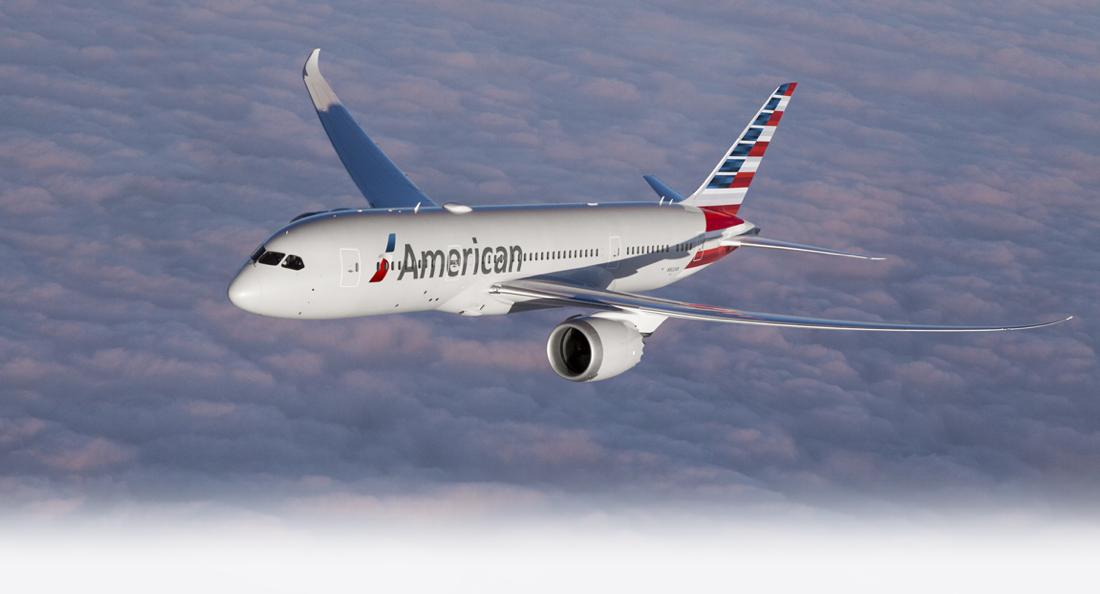
The Airbus A321 carried 133 people from Atlanta to Dallas/Fort Worth. One passenger received treatment after landing and was released.
The crew contained the device in the cabin. The pilot also requested medical assistance to meet the aircraft because passengers near the laptop might have been injured.
“Cabin fire in the back of the airplane. The flight attendants are trying to put it out now.”
The pilot later said, “I think we have four to five passengers that were burned by the laptop.” He added, “The laptop is contained about mid-aircraft.”
The aircraft landed at approximately 6:55 p.m. local time, or about 8 p.m. ET, on Friday. It then taxied under its own power to Terminal C, Gate C.
The crew isolated the device before the aircraft reached the gate
Cabin crew members used a specialized thermal containment bag to isolate the laptop. Such bags are designed for incidents involving devices powered by lithium-ion batteries.
The equipment helps separate a burning device from the surrounding cabin. It is also intended to withstand the heat and smoke produced during a battery fire.
The pilot asked for medical assistance before the aircraft arrived. Passengers seated near the device may have suffered burns during the incident.
The aircraft reached the gate under its own power. It arrived at Terminal C, Gate C.
The flight operated from Hartsfield-Jackson Atlanta International Airport to the Dallas-area airport. The plane was an Airbus A321 carrying passengers and crew.
The initial injury report exceeded the confirmed count
The pilot’s transmission described four to five possible burn victims. Airport officials later said one passenger received treatment and was released after the flight arrived.
That passenger suffered minor burns to the hands. No hospital transport was required.
| Report | Injury information | Outcome |
|---|---|---|
| Pilot’s initial transmission | 4 to 5 passengers potentially burned | Medical assistance requested |
| Airport account | One passenger treated for minor hand burns | Passenger released |
| Follow-up medical response | No hospital transport required | Treatment completed at the scene |
The two accounts describe different stages of the response. The cockpit report covered possible injuries among passengers near the device, while the later airport account identified one treated passenger.
American Airlines described the event as reports of smoke from a customer’s device during landing. The airline said the crew quickly contained it.
Lithium-ion batteries can enter a fast heating cycle
The fire is associated with “thermal runaway,” a chemical chain reaction that can cause a lithium-ion battery to overheat and ignite. Damage, manufacturer defects and improper packing can trigger the reaction.
The Federal Aviation Administration has recorded 58 lithium-battery incidents involving smoke, fire or extreme heat on passenger aircraft in 2026 as of August 22. The count includes incidents reported through that date.
A battery in thermal runaway can continue producing heat after the initial response begins. That creates a risk of renewed ignition and toxic smoke inside an aircraft cabin.
Airlines carry specialized containment equipment for these events. Products identified in the incident research include AvSax and HOT-STOP 'L', bags designed to withstand the intense heat and toxic smoke produced by a battery fire.
A similar event occurred in February 2026. An Alaska Airlines flight returned to Seattle after a passenger’s power bank ignited, although that incident did not report the same level of potential passenger injury.
The FAA is examining what started the fire
The Federal Aviation Administration has launched an investigation into the cause of the laptop fire. The specific brand and model have not been released publicly.
The investigation will examine the device involved and the circumstances surrounding the cabin fire. The agency’s review follows the crew’s decision to contain the laptop before the aircraft reached the gate.
Aviation safety experts have called for stricter regulations governing lithium-ion battery capacity. They have also urged airlines to conduct cabin crew drills more frequently, including practice deploying containment bags.
Those proposals focus on both the devices passengers bring aboard and the procedures crews use after smoke or flames appear. The February Alaska Airlines incident provides another recent example involving a portable battery-powered device.
American Airlines praised the crew’s response
American Airlines said there were “reports of smoke from a customer’s device” and thanked the crew for their “professionalism and swift response to quickly contain the device.”
The airline’s statement described a safe landing after the smoke report. The airport said one passenger was treated and released.
The FAA investigation follows the August 21 fire, while the device’s brand and model remain undisclosed. Cabin crew training and the use of containment bags remain central to the response in similar incidents.