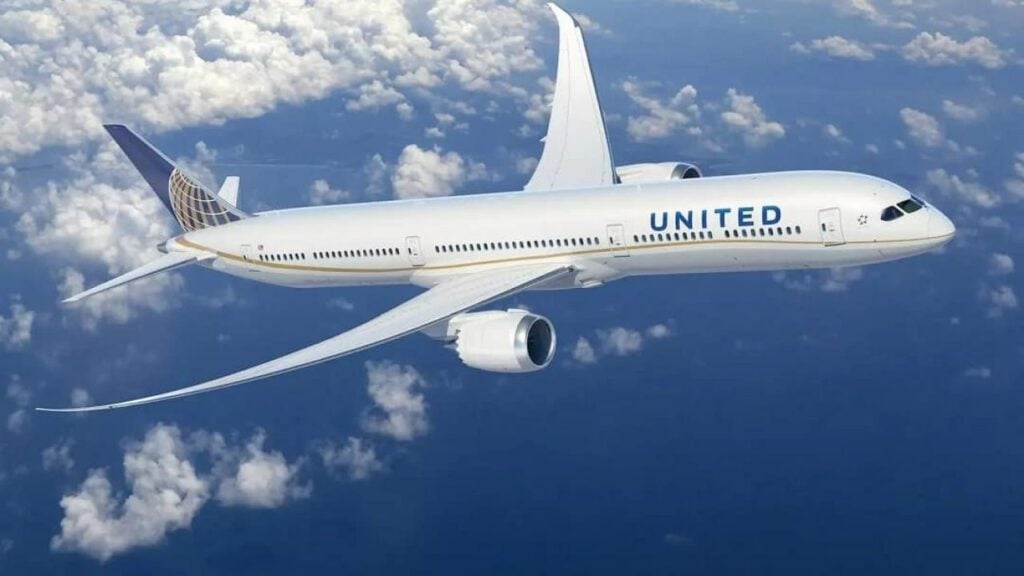
An American Airlines Boeing 787-8 made an O’Hare emergency landing on October 20, 2026, after its pilots reported a possible brake problem. The aircraft stopped on the runway with two flat tires.
Flight 41 was traveling from Barcelona–El Prat Airport (BCN) to Chicago O’Hare International Airport (ORD). The crew declared an emergency before landing. The plane did not continue to the gate.
The Chicago Fire Department said one person went to a local hospital in “good condition.” The airline said no one was injured. The person’s role aboard the flight was not confirmed.
A pilot warned air traffic controllers, “We've got a right brake that might be dragging,” and asked that emergency crews “follow us to the gate.” The crew reported a possible mechanical issue before the landing.
The airline gave no refund or rebooking terms in its update
The flight carried 234 passengers and 11 crew members. The aircraft, registration N806AA, was an 11-year-old 787-8. Passengers left using stairs on the tarmac and were bused to the terminal.
The airline said first responders met the plane as a precaution. Its statement said the aircraft had been removed from service for inspection by its maintenance team, and apologized to customers for the experience.
“Per procedure, first responders met the aircraft out of an abundance of caution and customers were transported safely to the terminal by bus. The aircraft has been taken out of service to be inspected by our maintenance team.”
The airline’s update announced no refund, rebooking or compensation terms. It focused on the bus transfer and the aircraft inspection.
Abbate described a loud landing and a staged evacuation
Passenger John Abbate, of Wood Dale, said he and his family were returning from a dream vacation. He described the flight as uneventful until touchdown.
“As soon as we landed, it was loud. It was a really big boom when we landed on the runway. It was real rough,” Abbate said.
He said the captain later told passengers tires had blown on the port side. The plane stopped near the runway’s end, and passengers waited before leaving.
Abbate said the evacuation proceeded one person at a time. Passengers used stairs and a small ramp, which he understood could not carry too much weight at once.
“But they got everyone off safely. The American Airlines staff was fantastic with everything, but it was calm,” Abbate said.
A dragging brake can overheat or lock a wheel
A brake that remains engaged can slow a wheel or lock it while the aircraft is moving down the runway. The wheel may scrape the surface, damaging the tire or building heat around the brake assembly.
Aircraft tires also have plugs designed to melt at high temperatures. Releasing pressure can reduce the danger of a more forceful blowout. The specific cause of the brake problem has not been established.
Erik Baker, a professor of aviation and transportation at Lewis University, said the crew’s reported warning offered a clue about how the tires could have failed.
“When a locked wheel or a locked brake that locks the wheel, you're going to blow the tire. And so, they knew about that potential. They had a brake indication. They alerted tower. They knew that was going to be the potential outcome”
Baker said the warning set this incident apart from several tire-related events at O’Hare earlier this year. He also described tire failures as not uncommon amid heavy air traffic.
“This is probably just a common thing that's happening just because we're flying so much and. the density of aircraft departures and landings is just so high”
The FAA is investigating the incident. The airline has not explained what caused the brake issue, and the agency has not released details about the aircraft’s condition or the extent of any damage.