Pakistan has extended restrictions on Indian aircraft until November 24, 2026, keeping flights on affected international routes subject to detours. The Pakistan Airports Authority issued a fresh notice, effective October 17 at 7:45 p.m. local time.
The restriction now runs until 4:59 a.m. local time on November 24. Its previous expiry date was October 24.
The Pakistan Airports Authority (PAA) announced the extension in a post on X. A spokesperson said the agency had issued a new Notice to Airmen, numbered A0590.
The notice maintains the existing restriction. It does not announce a new round of cancellations.
It covers Indian-registered planes, as well as aircraft operated, owned or leased by Indian airlines and operators. Military flights are included.
“Pakistan airspace not available for Indian registered aircraft and aircraft operated/owned or leased by Indian airlines/operators, including military flights”
The restriction applies across both flight information regions, Karachi (OPKR) and Lahore (OPLR). Foreign-registered aircraft leased by Indian carriers remain covered.
This is Pakistan’s 19th consecutive extension. The restriction has remained in place since April 23, 2025, with the latest notice continuing the same limits rather than introducing a new set of flight cancellations.
Detours are reshaping schedules and costs
Flights from northern India bound for Europe, the United Kingdom, the Middle East, the Caucasus and North America have lost a direct corridor across Pakistan. Airlines are routing around the country, often over the Arabian Sea and through Iranian airspace.
The detours average 47 minutes per flight, though additional time varies by destination. Some routes take as much as three hours longer, and fuel expenses have reportedly risen by up to 29 percent on certain international services.
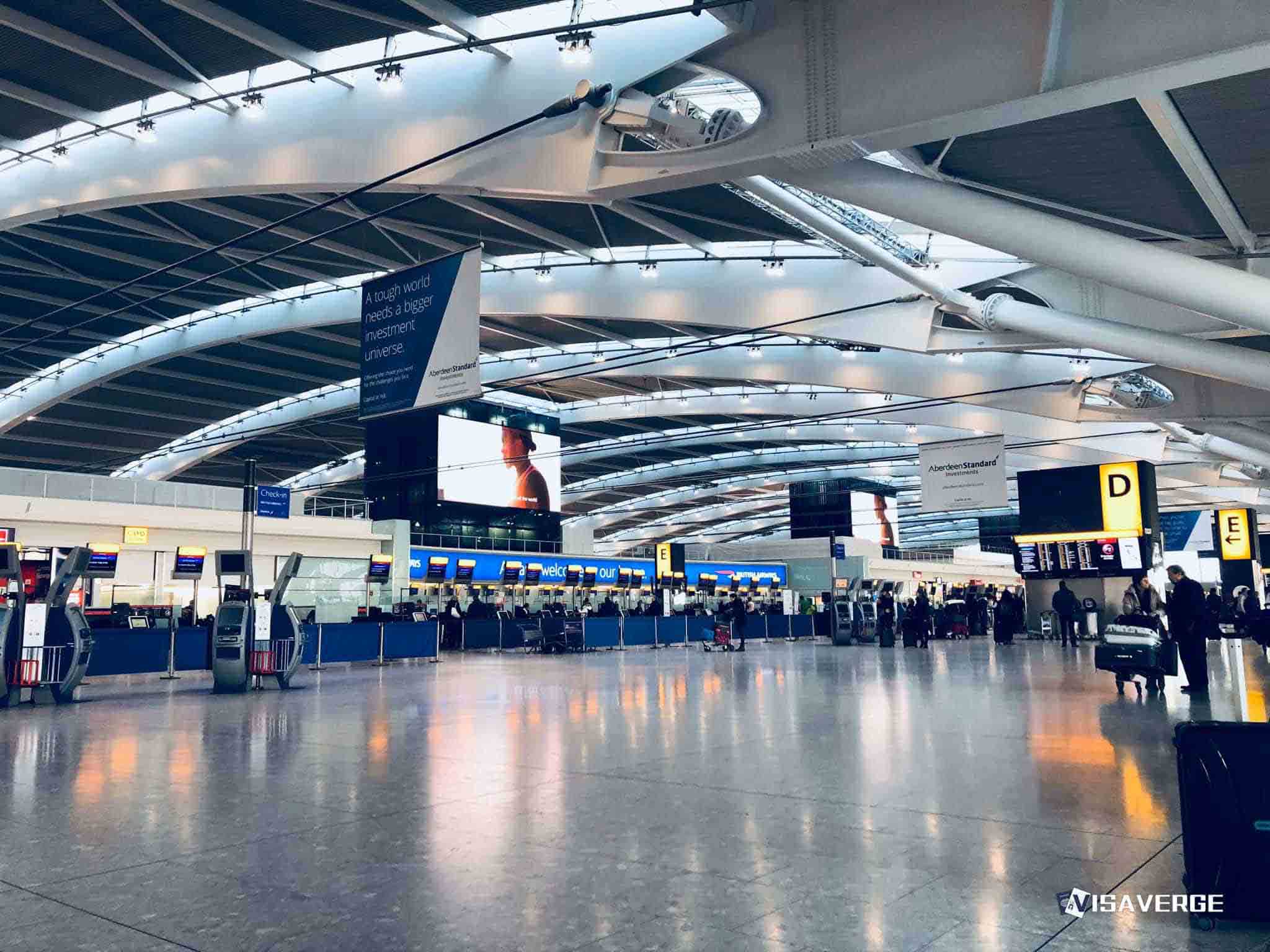
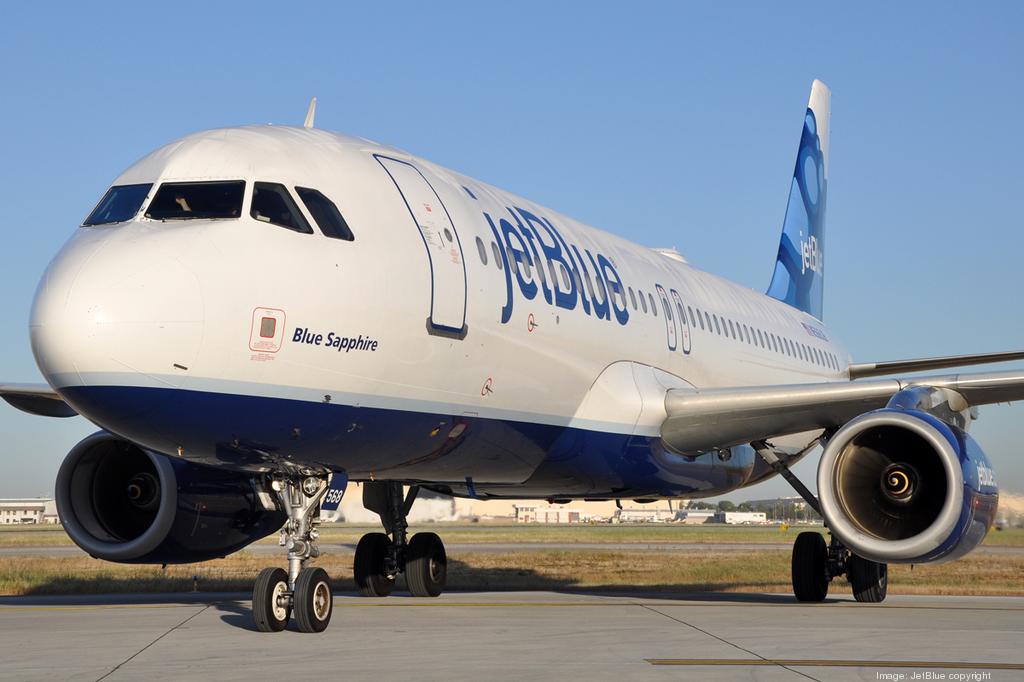
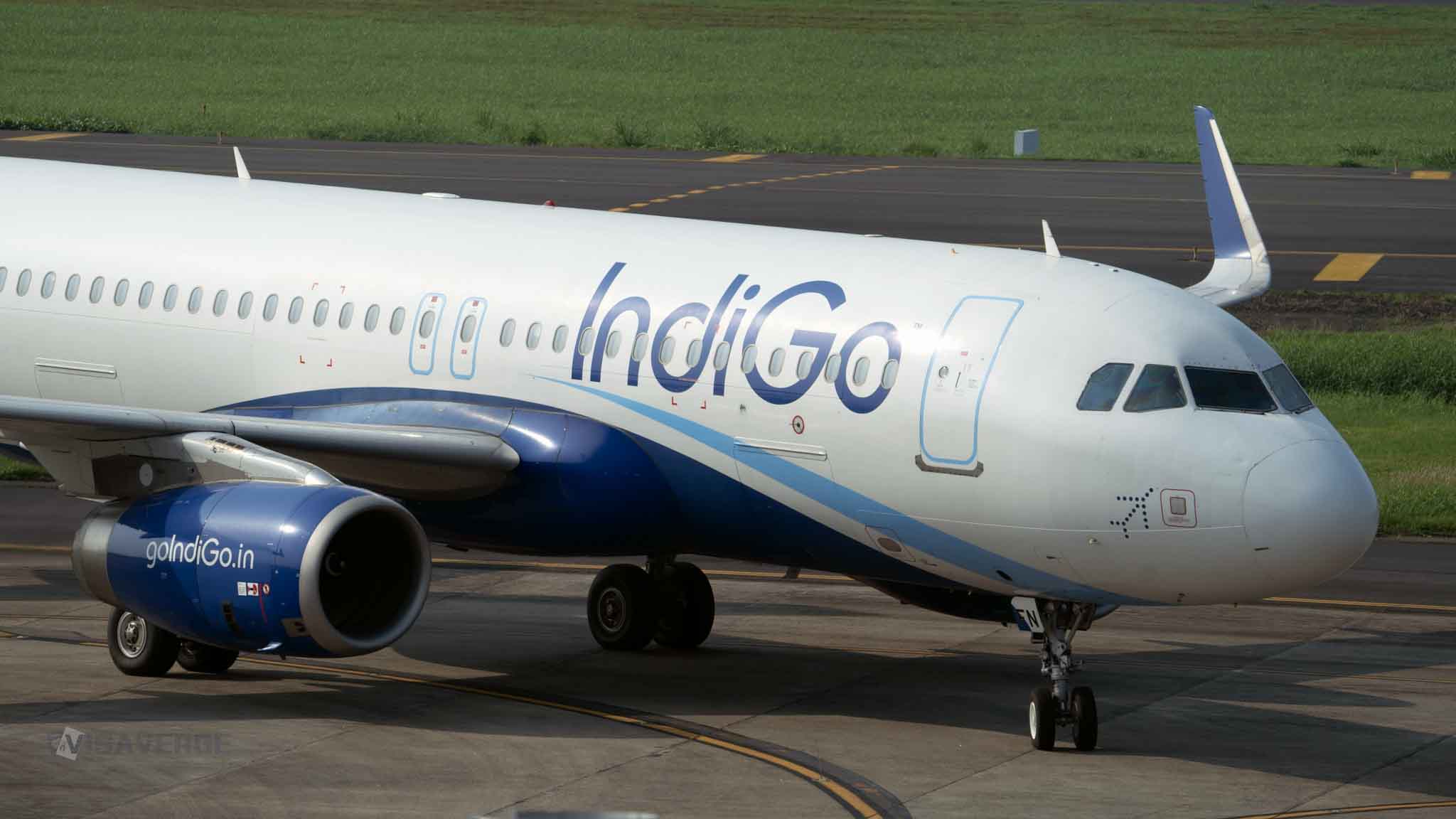
Around 800 weekly flights operated by five major Indian carriers are affected: Air India, IndiGo, SpiceJet, Akasa Air and Air India Express. Delhi Airport accounts for about 640 of those weekly services.
Airlines have also changed schedules and, on some long-haul routes, added technical refueling stops. Air India has suspended Delhi flights to Copenhagen and Vienna for the 2026 winter season and cut frequencies on selected other routes.
The carrier cited several factors for those changes, including the closure, high fuel prices and aircraft availability. The route reductions are not attributed to the restriction alone.
Air India says the added flying hits earnings
Air India has told the Indian government that the restriction is affecting its profit before tax by approximately $455 million annually. That estimated yearly impact exceeds the airline’s reported loss of approximately $439 million for the 2024-25 financial year.
Aviation Minister Ram Mohan Naidu has said the carrier lost Rs 4,000 crore in a year because of the closure. The airline, owned by Tata Group and Singapore Airlines, has also described longer routes and greater operational complexity.
Some North American services have needed technical refueling stops in Vienna. Longer flight times also raise fuel use and complicate operations across routes that previously crossed Pakistan.
The broader Indian aviation industry’s direct losses have been estimated at nearly $2 billion, or approximately Rs17,600 crore. Estimates that include indirect costs and wider economic effects put the total at $5 billion, or Rs50,000 crore.
Those figures are industry-wide estimates, not an airline-by-airline accounting. Air India, IndiGo and Air India Express are among the carriers affected.
Pakistan also reports lost airport revenue
The closure has cut into Pakistan’s own aviation revenues. Defence Minister Khawaja Asif told the National Assembly that the PAA lost Rs4.1 billion, approximately $14.39 million, between April 24 and June 30, 2025.
That 67-day period represented an average loss of around Rs61 million a day. Overall air transit traffic reportedly fell by approximately 20 percent.
The reciprocal restrictions followed the 2025 attack
The dispute followed an attack in Pahalgam, in Indian-administered Kashmir, on April 22, 2025, that killed 26 people. India accused Pakistan of supporting cross-border terrorism; Islamabad denied involvement.
Pakistan closed its airspace to Indian carriers on April 23, 2025. A week later, India barred Pakistani-registered aircraft and planes operated, owned or leased by Pakistani airlines, with its restriction taking effect April 30, 2025.
Tensions rose again in May 2025, when India launched Operation Sindoor, targeting sites it described as terrorist infrastructure in Pakistan and Pakistan-administered Kashmir. The countries later agreed to a ceasefire, but both kept their aviation restrictions in place.
Pakistan had also used airspace restrictions during earlier periods of tension, including the 1999 Kargil conflict and the 2019 Pulwama crisis.
India is studying a route through Xinjiang
India is examining alternative routes through China’s Xinjiang region, including a corridor over Hotan. Civil Aviation Minister Ram Mohan Naidu has said India and China are discussing the proposal, with the Ministry of External Affairs involved. There is no agreement or timetable.
Air India and IndiGo have conducted feasibility studies. Air India’s Boeing 777s, B787s and Airbus A350s can use the route; IndiGo could do so once it begins receiving A350s.
Some Air India wide-body aircraft carry additional oxygen storage. That equipment allows more time for a step descent to 14,000 feet and then 10,000 feet in the event of a single-engine failure or cabin depressurization.