Barcelona’s former mayor Ada Colau accused the Trump Administration on Wednesday, Oct. 21, 2026, of blocking her from a Puerto Rico summit after U.S. authorities denied her ESTA travel authorization. She said the decision followed scrutiny of her pro-Palestinian activism.
The final refusal arrived Tuesday, Oct. 20. Colau had applied online to attend a gathering of progressive city leaders in Caguas, Puerto Rico, scheduled for Nov. 3 and 4.
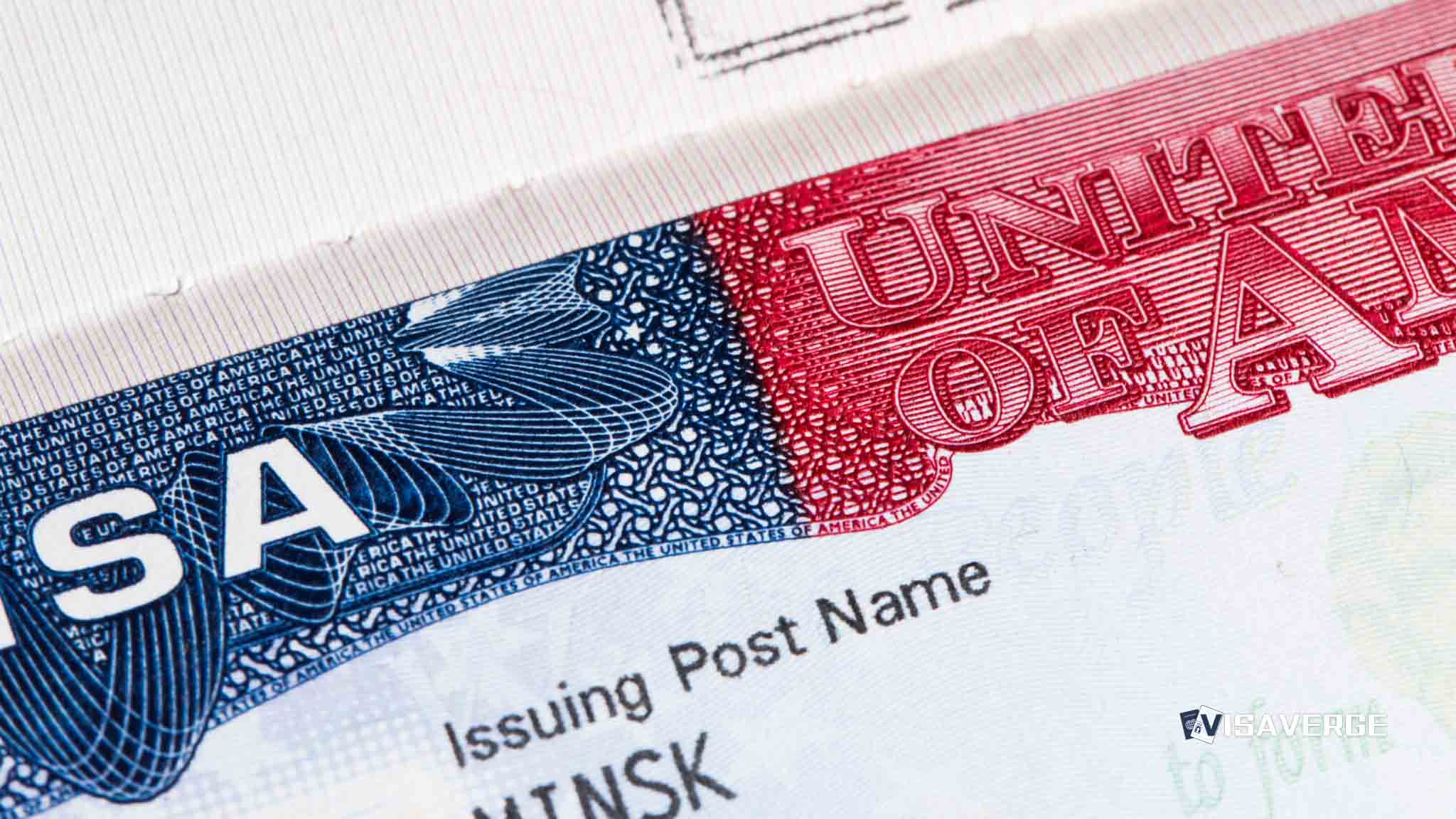
Her application was rejected. The other members of her delegation received authorization, according to accounts of the decision.
Colau said the refusal singled her out. She has said her activism was central to the questions officials raised before denying her request.
The delegation got travel authorization, but Colau did not
The summit, called Fearless Cities, is a gathering of municipalist movements that began in Barcelona in 2017. Colau was invited to take part alongside New York Mayor Zohran Mamdani.
The delegation applied for ESTA, the Electronic System for Travel Authorization. Colau sought an appointment at the U.S. embassy in Madrid after her request was rejected.
The interview took place 15 days ago. Questions focused on her pro-Palestinian activism and her participation in the Gaza Flotilla, including what an account of the meeting described as “great insistence on the three days she was detained in Israel.” Officials also asked whether she had been arrested, had a criminal record or had traveled to Israel.
The eventual denial cited a “suspicion” that she “intends to migrate illegally to the country.” The stated reason concerned her intention to immigrate to the United States.
Her flotilla detention and lawsuit entered the entry review
The Global Sumud Flotilla attempted to reach Gaza in late 2025. More than 400 activists were detained, including Colau, who was deported to Spain after her detention.
Accounts differ on how long she was held, giving a duration of three days or four days. Colau accused Israeli forces of mistreating flotilla participants.
She alleged that participants faced insults and physical aggression, were deprived of sleep, and had restricted access to water and medication. Those allegations were made in connection with the detention.
Afterward, Colau filed a lawsuit against Israeli Prime Minister Benjamin Netanyahu over an alleged crime of torture. Her entourage said the proceeding weighed on the review of her U.S. entry.
Colau called the decision politically motivated
Colau told El Diario that she had traveled to Puerto Rico two years earlier without difficulty. She described the denial as “extremely serious” and said the administration was “fortifying borders in an arbitrary, authoritarian and undemocratic manner.”
On Instagram, she contrasted her denial with Argentine President Javier Milei’s visit to Spain, writing: “Milei can enter Spain to talk about cuts, but those of us who denounce genocide and defend human rights cannot enter the US, or other territories it has appropriated through colonialism.”
She also linked the decision to Puerto Rico’s political status and her participation in the flotilla. In a Telegram post, she wrote:
“Trump defends a curious concept of freedom. The same man who decides the fate of Puerto Rico's citizens without respecting their sovereignty also bars those of us who risked our lives in the flotilla from traveling.”
Colau also criticized right-wing leaders in the United States, Argentina and Israel, as well as Spain’s far-right Vox. “Sooner rather than later, we will end this reactionary wave, kick out the Trumps, Mileis, Netanyahus and Abascals of the day,” she wrote.
The dispute arrives ahead of Spain’s November election
The Comuns, Colau’s party, called the refusal an ideological veto. “Milei can come to Spain to talk about cuts, but Colau cannot go to the US to talk about rights,” the party said as Milei landed in Madrid.
Emilio Delgado, the Frente Amplio’s top candidate in Madrid, said the United States had been an example of welcome. “Neither Trump has made America great nor Abascal would make Spain great,” he said.
Antonio Maíllo, federal coordinator of Izquierda Unida, also contrasted Milei’s visit with Colau’s denial. He said Milei “can enter Spain to talk about cuts, but Colau cannot enter the US to talk about rights,” and added: “What a paradox the censorship of the defenders of freedom.”
Colau is leading Spain’s left-wing Broad Front coalition into the Nov. 29 election. The alliance has been weakened by its failure to unite with Podemos, another major force on the country’s left.
Prime Minister Pedro Sánchez needs parties to the left of his Socialists to perform well to have any chance of remaining in power. The U.S. State Department did not immediately respond to a request for comment.