Travellers say the EU’s EES Stay Checker has rejected future trips that fall well outside the permitted stay period and given different day counts to people travelling together. The reports raise questions about the accuracy of the records behind its results.
A MotorhomeFun user identified as Jane NotRog said the calculator refused a planned week in France in April 2027. She had entered France on 29 April 2026 and left for the UK on 9 June 2026 via LeShuttle.

Another traveller in the same thread said the calculator gave his wife 63 days remaining but showed him the full 90 days. The poster said he and his wife entered France via P&O Dover–Calais on 22 April 2026 and left on a return crossing on 3 June. He added that he was reasonably confident they had been in the same motorhome, although the records showed different allowances.
The EU’s official page says the tool reports whether entry is allowed and how many days remain. It also limits what information the calculation can include.
The calculator does not cover every traveller or every stay
Free toolSchengen Short-Stay Visa CalculatorThe EU says the calculator counts stays recorded in the Entry/Exit System from 10 April 2026 onward. It does not include time spent in the Schengen area on a stay that began before that date, even if the visit continued past it.
The page warns that, through 6 October 2026, an “OK” result may be unreliable for holders of single- or double-entry visas who used an entry between 12 October 2025 and 9 April 2026. Those visa entries were not recorded in EES at the time.
| Traveller group | What the calculator covers or requires |
|---|---|
| visa-exempt travellers and visa holders | The tool calculates remaining days from EES data recorded from 10 April 2026 onward. |
| Holders of short-stay visas | Check the authorised period printed on the visa sticker; do not use the calculator if that period is under 90 days. |
| Holders of EU residence permits or long-stay visas | They are not subject to the 90/180-day rule. |
| Some family members of EU citizens | The tool does not apply to those covered by Directive 2004/38/EC or equivalent free-movement agreements who lack the specified residence documents. |
The excluded family members are those without a residence card under Directive 2004/38/EC or a residence permit under Regulation (EC) No 1030/2002. The tool replaced the former short-stay calculator. It is intended for visa holders and visa-exempt travellers.
The 90-day limit rolls forward, and errors can carry penalties
The general limit for non-EU nationals is 90 days in any rolling 180-day window. Travellers count back 180 days from each day of their stay and must remain within the 90-day maximum. Days become available again as earlier stays move outside that period; it is not a reset after six months.
Short-stay visa holders must follow the period printed on their visa if it is shorter than 90 days. EU residence permit and long-stay visa holders are outside this rule.
An overstay can place a traveller on a list available to passport control officers, immigration officers and visa-issuing staff. Depending on national law, consequences can include removal, a fine, detention or refusal of future entry. Germany can impose fines of up to €3,000, while some countries can issue re-entry bans lasting from months to years.
Authorities can amend the record and remove a person from the list if the traveller provides credible evidence of unforeseeable or mitigating circumstances. The examples given include hospitalisation after a serious injury. The Schengen area includes 29 countries: 25 of the 27 EU member states, excluding Cyprus and Ireland, plus Iceland, Norway, Switzerland and Liechtenstein.
A British tourist was sent home after a disputed exit record
Paula Pugh, 61, was refused entry to Italy on 6 September after the EES record indicated that she had exceeded the stay limit. Her previous trips totalled only 22 days, according to the case account.
Pugh had flown from London Stansted to Reggio Calabria for a five-day holiday celebrating her husband’s 60th birthday. She had taken three short trips to Spain and one to France. An earlier exit had not been recorded correctly, making her stay appear longer than it was.
Border officers transferred her to Lamezia Terme and put her on a Ryanair flight to Stansted. She returned to the UK the same day, after her passport was held during the journey and handed back after landing. The lost travel costs were later estimated at around £2,000.
Check the record, then take evidence of earlier exits
The calculator asks users for the country they plan to visit, their travel document type and number, and the three-letter code for the issuing country, such as CAN for Canada. Depending on the trip, users can enter an intended arrival date, departure date, or both.
If a user enters no date, the tool uses the current date. If the user enters only an arrival date, it calculates using that entry date alone. The EU page also directs travellers to ask passport control officers at external borders how many days remain.
Travellers concerned about an incorrect record can:
- Check the calculator, while accounting for its pre-10 April 2026 data limit.
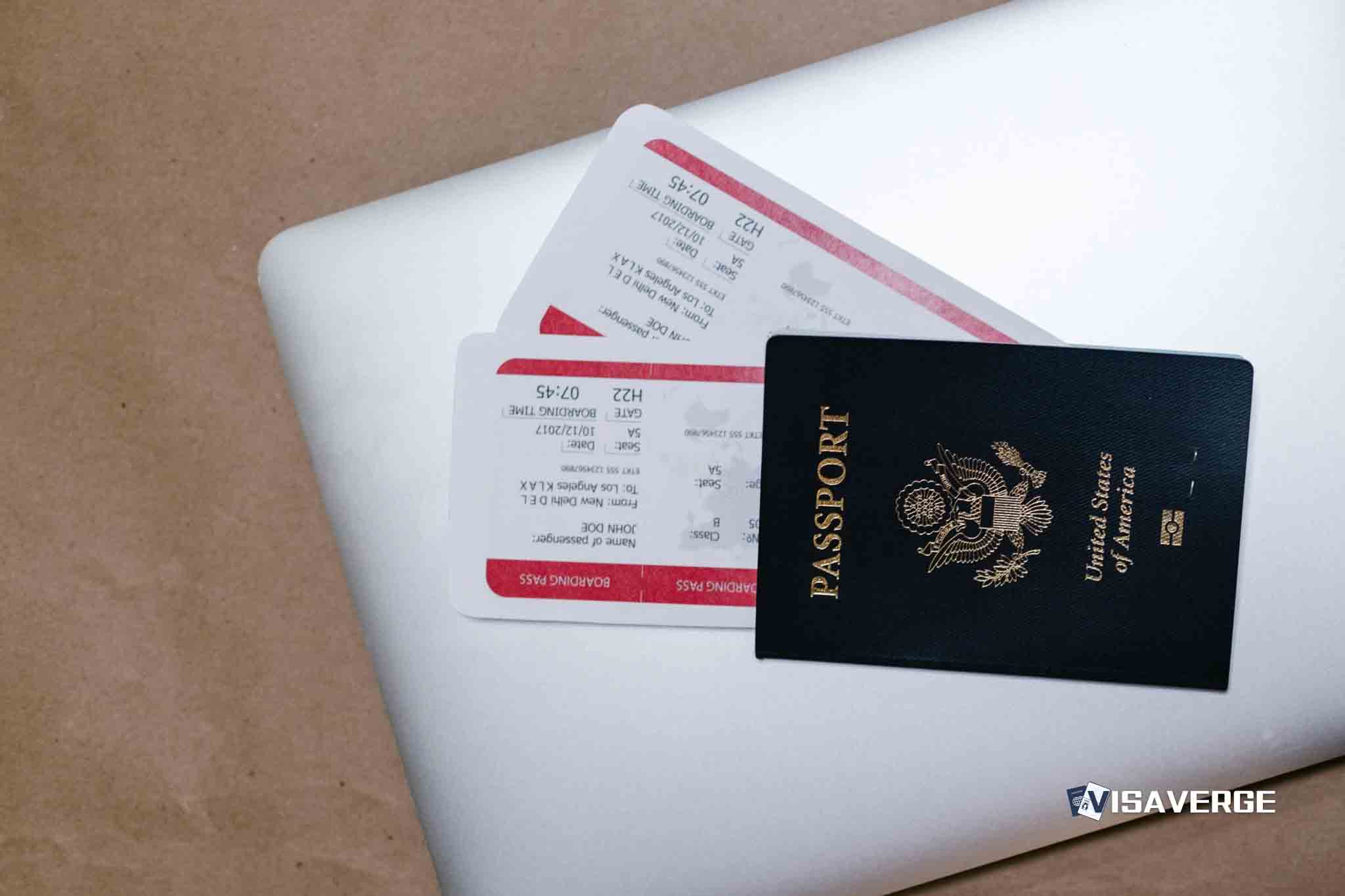
- Keep evidence of earlier exits, including boarding passes.
- Ask border officials to correct an inaccurate EES history.
- Carry documents that establish an exemption or residence status.
The EU says data access and correction requests should go to the authorities of the country where the traveller was last registered in EES. Jane NotRog said she had emailed the French authorities and might contact the MP for Folkestone if the issue was not resolved.
Other users on the forum described being enrolled with photographs and fingerprints at Hook of Holland last December, then having to repeat the process on arrival in September. One poster said, “What a bloody waste of time and effort, may as well just stick with stamping the passports”. The forum’s original poster suspected that some discrepancies came from exits not being recorded correctly, while noting that the system was new.
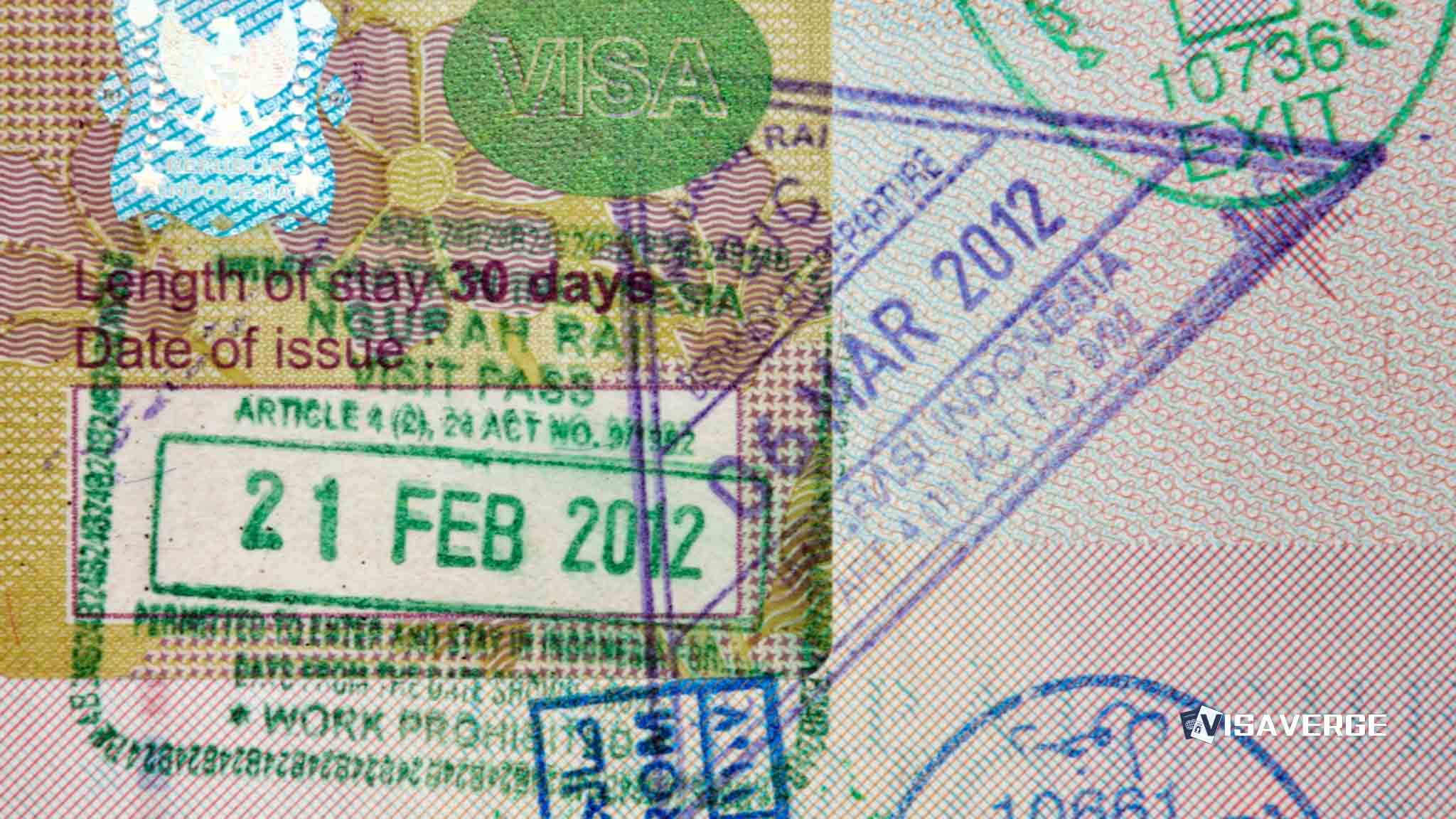
Regulation (EU) 2017/2226 provides for an automated calculator that accounts for stays in member states operating EES and for extensions of authorised stays. Stays in member states not yet operating the system are counted separately using passport stamps.