- The European Union’s Entry/Exit System will replace manual passport stamping with digital biometric records by April 2026.
- British travelers must register fingerprints and facial images upon their first entry into the Schengen Area.
- The new digital system aims to improve border security and accurately track short-stay compliance across 29 countries.
(UNITED KINGDOM) — The UK government updated its travel guidance for Europe as the European Union’s Entry/Exit System moves toward full implementation and prepares to change how British passengers clear borders in the Schengen Area.
The change, due to take full effect on April 10, 2026, replaces manual passport stamping for short stays with digital entry and exit records linked to biometric border procedures, including fingerprints and a facial image.
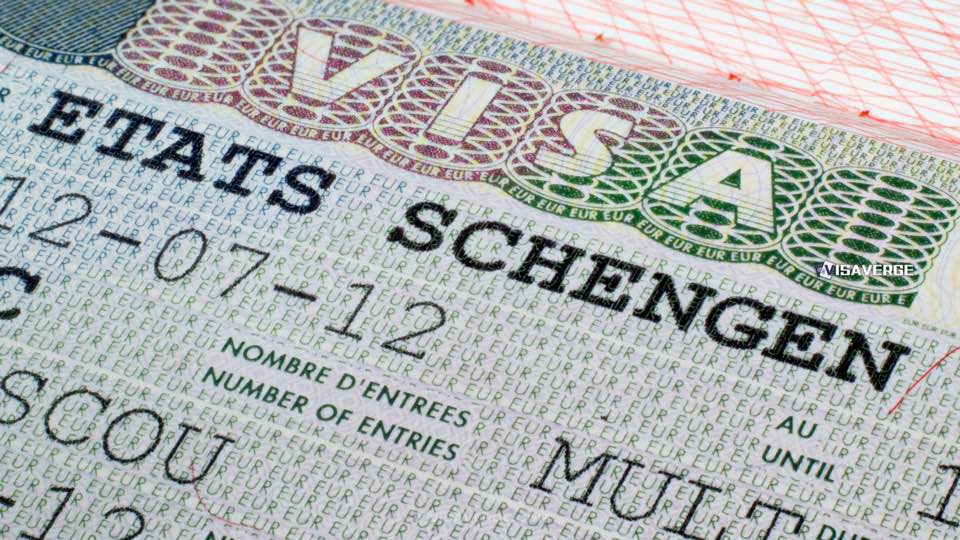
British travelers heading to destinations such as Switzerland, Romania, Poland, Italy, Iceland, Hungary and Denmark are being told to check their passports more carefully and expect extra steps at the border as the system expands.
Under the new process, eligible non-EU travelers entering Schengen countries for short stays will have key details recorded digitally, including passport data, fingerprints and a facial image. The European Commission says the system aims to improve border management, track overstays and reduce identity fraud.
| India | China | ROW | |
|---|---|---|---|
| EB-1 | Feb 01, 2023 | Aug 01, 2023 ▲31d | Current |
| EB-2 | Nov 01, 2013 | Oct 01, 2021 | Apr 01, 2025 ▲90d |
| EB-3 | Jan 22, 2014 ▲21d | Jan 22, 2022 ▲14d | Jun 15, 2024 ▲31d |
| F-1 | Jan 22, 2021 ▲366d | Jan 22, 2021 ▲366d | Jan 22, 2021 ▲366d |
| F-2A | Oct 22, 2026 ▲30d | Oct 22, 2026 ▲30d | Oct 22, 2026 ▲30d |
UK government guidance says UK passport holders traveling for short stays in the Schengen Area will need to register biometric details on arrival, with no pre-travel action required and no separate EES fee charged at the border.
At the border, first-time travelers entering a Schengen country under the system should expect extra checks while fingerprints and a photo are captured and linked to their travel record. Later crossings should move faster once a traveler’s identity matches an existing digital record.
The European Commission’s travel portal says the rollout is being introduced gradually, with full implementation due by April 10, 2026.
EES is separate from the European Travel Information and Authorisation System, known as ETIAS. EES records entry and exit at the border, while ETIAS is a pre-travel authorization planned later.
The scope follows the Schengen Area rather than any single destination airport or country, meaning the same processing approach applies as travelers move through the zone. For passengers crossing into Schengen by air, rail or sea, the first point of entry is where the new checks begin.
Ireland and Cyprus are not part of EES, a distinction that officials and travel sites have flagged as a common point of confusion for passengers who mix itineraries across Europe. Travelers transiting through multiple jurisdictions can face different procedures depending on where they first cross into Schengen.
The biggest on-the-ground change for many UK passengers will come at airports, ferry terminals and rail hubs handling large volumes of short-stay traffic. First entry involves biometric registration at a booth or kiosk, typically with staff support, before a traveler proceeds.
On subsequent trips, travelers should face a quicker biometric check designed to confirm identity against the stored record. The registration remains valid for three years or until the traveler’s passport expires, whichever comes first.
UK-side preparations focus on routes where Schengen checks take place before departure because of “juxtaposed” controls at certain terminals. The system affects key departure points including Dover, Eurotunnel in Folkestone and Eurostar at St. Pancras, where French or Schengen checks can occur on UK soil.
For passengers, juxtaposed controls mean the time cost of border processing can shift earlier in the journey, before boarding. UK funding to support biometric kiosks and readiness at those routes forms part of the preparations, described as multi-million-pound funding.
Air and rail operators have also warned of early disruption as first-time enrollment creates bottlenecks, particularly during seasonal peaks. Some airport organizations predicted hours-long queues for non-EU passengers during peak summer travel in 2026.
Alongside longer waits, EES increases the weight of data accuracy at the border because entries and exits become a digital record across the zone. That includes ensuring passport details match the traveler’s identity and handling travelers who renew passports between trips.
The UK government’s travel advice also repeats the passport validity rules that already apply to visa-free short stays in the Schengen Area. For short stays, a passport must generally be issued less than 10 years before the date of entry and remain valid for at least 3 months after the planned date of departure from the Schengen Area.
British visitors remain subject to the 90 days in any 180-day period limit for visa-free short stays in the Schengen Area for tourism, family visits, business meetings, short training, or similar purposes. Anyone planning to stay longer usually needs the correct national visa, residence permit or other authorization under the rules of the destination country.
The system’s backers say it strengthens enforcement by making compliance easier to verify across borders. EES replaces reliance on passport stamps and manual checks with entries and exits stored digitally, with the intent of improving overstay detection across multiple trips.
U.S. officials have also issued travel messaging as the system expands, even though EES is a European initiative. A routine message from U.S. Embassy Rome dated Sept 29, 2025 said: “Effective October 12, 2025, U.S. citizens visiting Italy for short stays should expect to have their biodata, including fingerprints and facial images, digitally collected at the border. Those travelers who spend more than the allowed length of stay of 90 days within a 180-day period could be subject to consequences that could include a ban on entry.”
DHS Secretary Kristi Noem referred to the broader shift toward biometric systems in a Dec 13, 2025 keynote address. “Since January [2025], we have secured under the Department of Homeland Security over 30 international agreements that don’t just tighten our security operations but they also help us with travel. the biometric data sharing partnership agreements. allow us to identify threats. and better understand the movement of bad actors,” Noem said.
The U.S. State Department also updated its Schengen guidance in Feb 2026, warning that EES replaces manual passport stamping while travelers remain visa-exempt for short stays. “U.S. citizens will need to go through the EU’s new Entry and Exit System when traveling to 29 European countries. Your fingerprints, facial image, and entry/exit dates will be stored digitally,” the guidance said, in a page published at U.S. State Department travel advice (Schengen).
For UK travelers, the immediate decision points remain practical: whether a passport meets the Schengen date rules, and whether travel plans stay within the rolling short-stay limit. Officials frame EES as a border modernization project that changes procedures while leaving underlying eligibility rules in place.
UK guidance and EU portals are expected to carry the most up-to-date operational instructions as full implementation approaches, including which ports and terminals use booths or kiosks and how first-time enrollment works in practice. Travelers also face carrier and terminal instructions that can determine when passengers should arrive and where they complete checks, as the Schengen Area shifts from stamping to digital records.