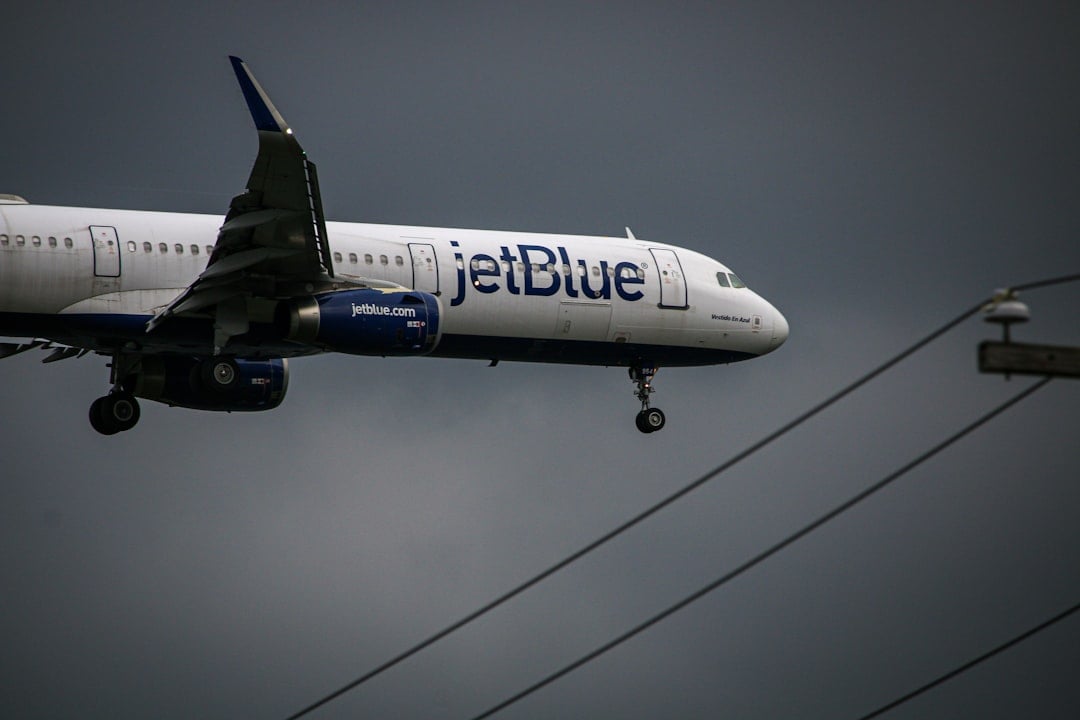
- JetBlue requested a brief nationwide ground stop on March 10 due to an internal IT system outage.
- The FAA paused all departures for approximately one hour while airborne flights were allowed to continue.
- Operations resumed quickly, though passengers faced residual delays and cancellations as the airline normalized schedules.
(UNITED STATES) — The FAA canceled a brief nationwide ground stop for all JetBlue flights on March 10, 2026, after the airline requested it because of an internal IT issue.
JetBlue confirmed “a brief system outage has been resolved and we have resumed operations,” while the FAA said “operations are normal.”
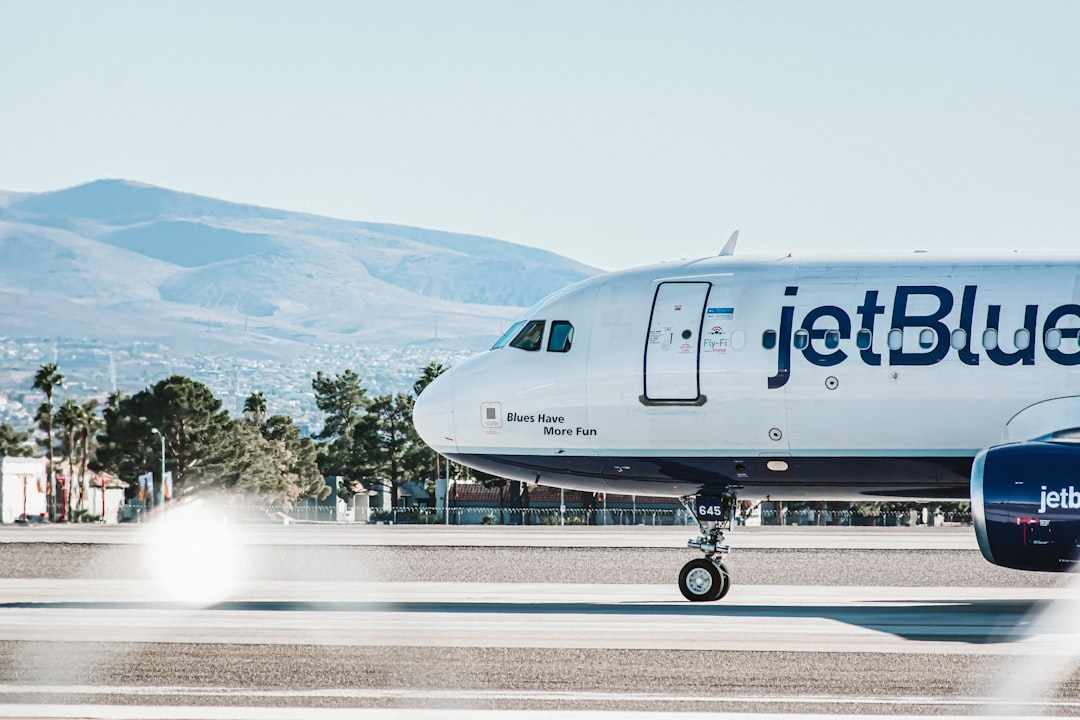
The ground stop, a rare systemwide move for a single major U.S. carrier, temporarily halted departures across JetBlue’s network and rippled quickly into early-morning schedules for travelers at airports around the country.
FAA ground stops work by pausing aircraft departures, not by ordering flights already in the air to land. In this case, the ground stop ran from 12:35 a.m. to 1:30 a.m. ET and prevented departures to all destinations and facilities while allowing airborne flights to continue.
For passengers, that kind of stop usually shows up first as gate holds and shifting departure times on airport monitors. Even when an airline keeps aircraft at the gate, crews and ground teams still face a compressed timetable once the restriction lifts.
Airborne flights continuing can also create uneven pressure on the rest of the operation. Planes that land during the stop need gates, bags must be handled, and arriving aircraft may be scheduled to turn around and depart again, which becomes harder when new departures are held back.
The short window matters operationally because airlines build tight connections among aircraft, crews and gates across the day. When a departure pauses even briefly, aircraft rotations can slide, crews can hit duty-time limits, and the planned sequencing of gate usage can get scrambled at busy terminals.
JetBlue and the FAA framed the stop as precautionary while the carrier addressed the internal technology problem. The FAA issued the ground stop and later canceled it, allowing the airline to restart departures once JetBlue indicated it could resume.
JetBlue did not describe what system failed, and neither JetBlue nor the FAA provided technical detail beyond calling it an internal IT issue. The airline’s statement said the outage was brief and that operations resumed.
While the FAA said “operations are normal,” travelers can still see knock-on effects after a ground stop lifts, particularly in the early hours of a travel day. Flights can depart later than planned as crews re-sequence aircraft, complete boarding, and work through a backlog created during the pause.
Flight tracking data showed delays and a small number of cancellations early Tuesday, an early signal that the schedule still had to absorb the interruption. The prior day also had delays and cancellations, which can add to the challenge of restoring on-time performance when a carrier starts a day with disruptions already in the system.
Because airline networks interlock, a delay in one place can travel. A late aircraft arriving for its next flight can cause a delayed departure for a different set of passengers, and when an airline tries to recover it may need to reposition aircraft and crews to match later flights.
Airlines rely on internal technology for dispatch, crew assignment, boarding processes and load planning, and disruptions to those systems can quickly translate into operational limits. When a carrier cannot reliably perform the steps needed to release a flight, holding departures can become the simplest way to maintain safety and order while engineers restore functionality.
In this case, no further disruptions were reported after JetBlue resumed operations. The carrier’s confirmation that it had resolved the system outage, together with the FAA’s cancellation of the ground stop, suggested the immediate technical problem did not persist into a prolonged shutdown.
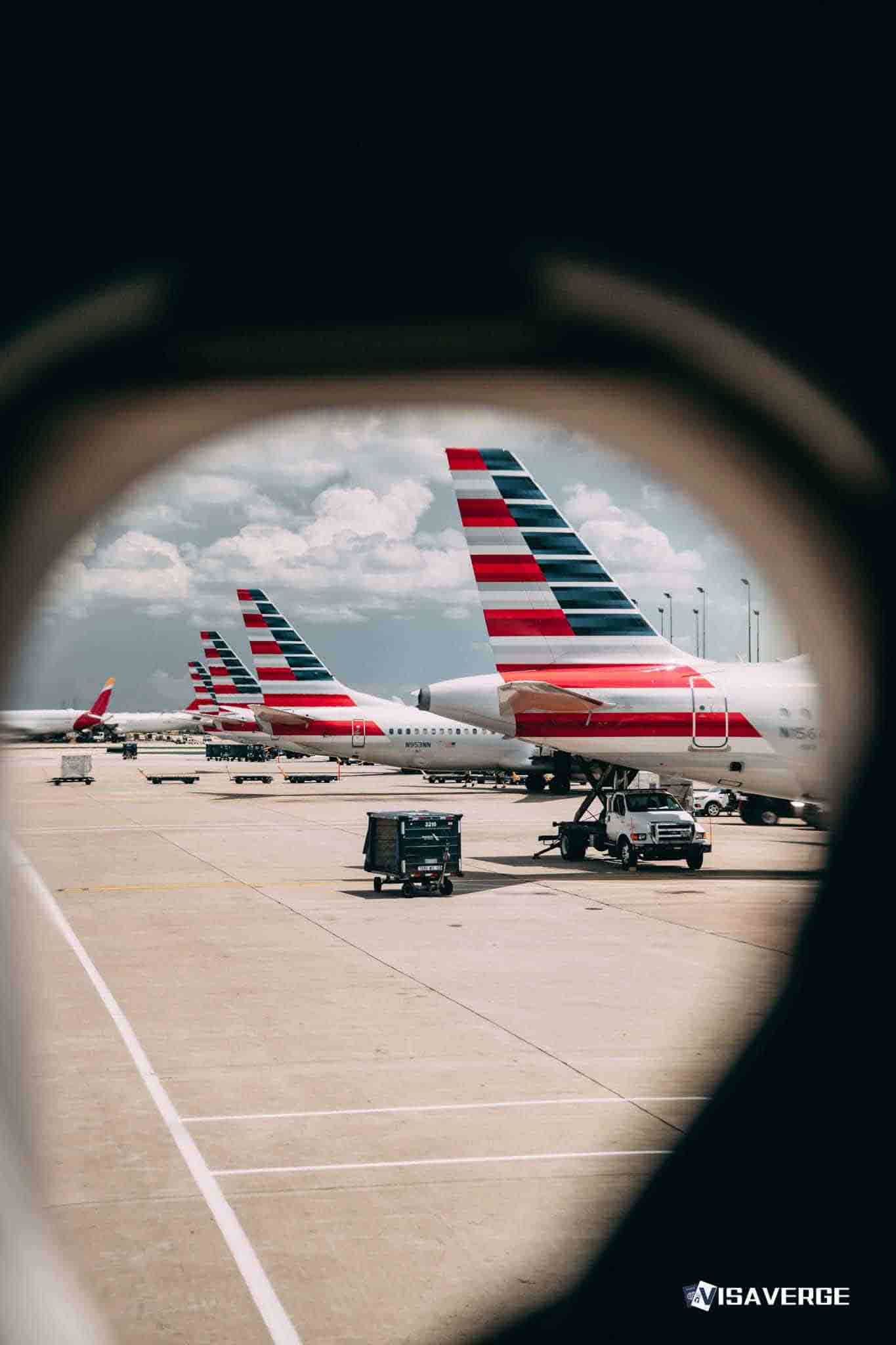
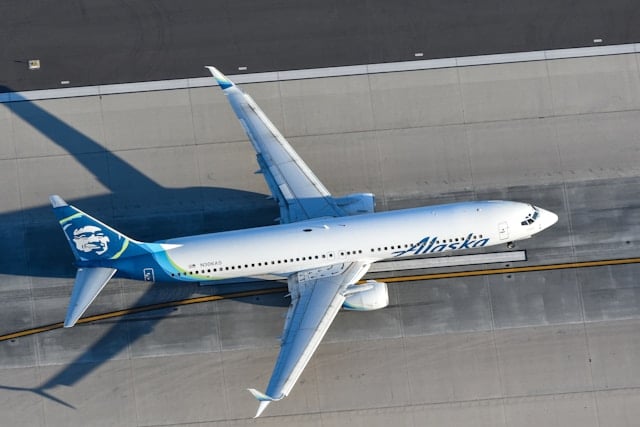
The JetBlue episode also fit into a broader pattern across the industry in which technology problems have interrupted flights. Airlines have faced similar disruptions tied to internal systems, including Alaska Airlines’ October outage and an American Airlines event in June.
Those incidents, like JetBlue’s, underscored how deeply airlines depend on IT systems to run the sequence of tasks required for a flight to depart. Dispatch systems help determine when a flight can legally and safely leave, crew systems confirm staffing and compliance, and load planning supports weight-and-balance calculations that must be correct before pushback.
Ground operations can also hinge on system availability. Gate agents and ramp teams typically work through airline software for boarding, baggage handling and turnaround coordination, so outages can slow routine steps even if aircraft and crews are physically in place.
Tuesday’s disruption unfolded in a tight timeline. JetBlue requested the FAA action, and the FAA issued a nationwide ground stop covering all JetBlue departures.
The stop applied across destinations and facilities and ran from 12:35 a.m. to 1:30 a.m. ET, holding new departures while flights already in the air continued to their destinations.
After that brief window, the FAA canceled the ground stop. JetBlue then reported that the system outage had been resolved and that it had resumed operations, and the FAA said “operations are normal.”
Even with the stop lifted and departures restarted, passengers could still face residual delays as JetBlue worked to normalize schedules and align aircraft and crews with the rest of the day’s flying. The broader systemwide restriction was over, but the airline still had to work through the operational aftereffects of a short, precautionary ground stop triggered by an internal IT issue.