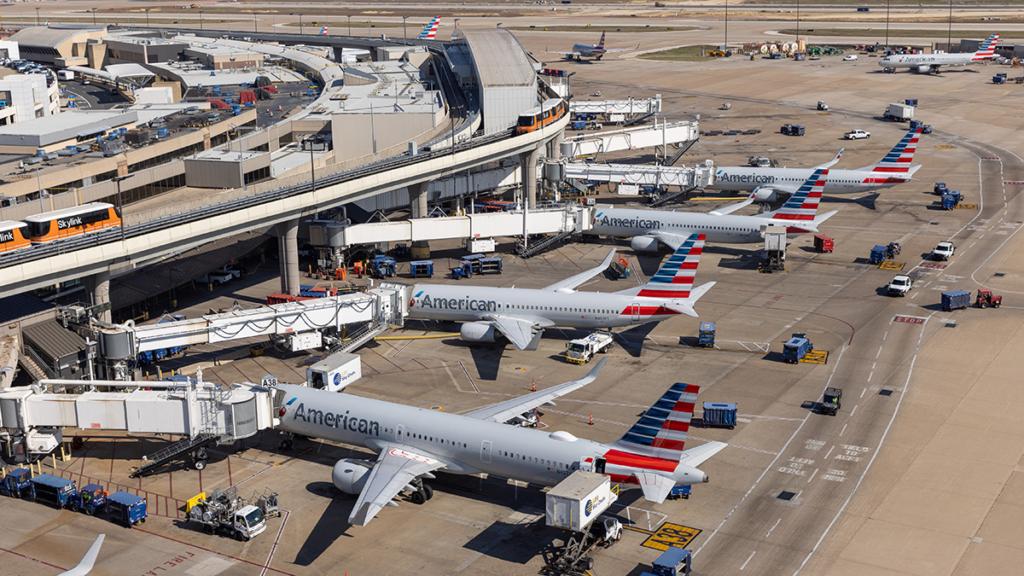
- The FAA grounded all American Airlines departures Tuesday evening following a major internal IT system outage.
- A technology failure impacted 1,100 flights, causing delays for 30% of the airline’s daily schedule.
- The ground stop lasted one hour, but residual cancellations and delays persisted into the night.
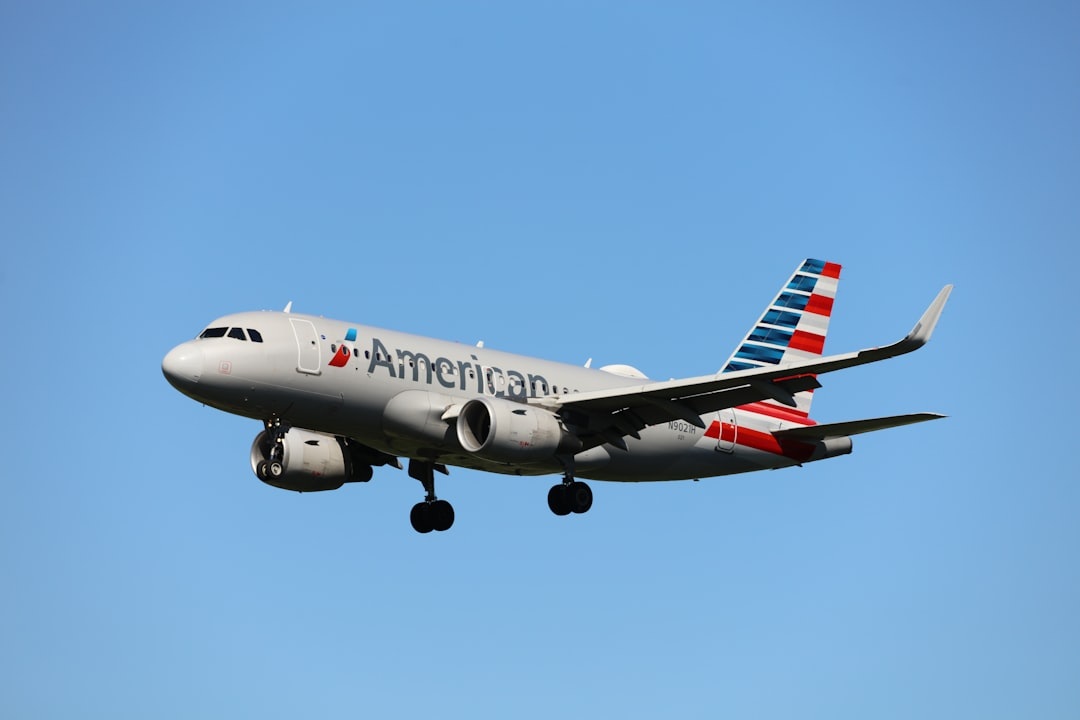
The FAA grounded American Airlines departures nationwide Tuesday evening after an IT outage disrupted the carrier’s internal systems, freezing flights at gates while allowing aircraft already airborne to land safely. The stoppage began around 6:30 p.m. ET and lasted roughly an hour.
The agency lifted the ground stop at about 7:18 p.m. ET, after the airline said its systems were returning online. Departures resumed, but delays continued as aircraft and crews fell out of position.
The disruption did not affect the broader National Airspace System. It remained confined to the carrier’s technology infrastructure.
The airline acknowledged the failure through its official social media account. It initially said, “We're aware of a technical issue,” while technicians worked to restore service.
Later, the company issued a fuller update:
“A technology issue briefly impacted connectivity for some of our systems on Tuesday evening. Systems are coming back online now and flights are departing again. We put a temporary ground stop in place while our teams worked to resolve the issue. We apologize to our customers for the inconvenience.”
The website, mobile application and customer-service telephone lines remained difficult or impossible for travelers to access during the disruption. Passengers reported delays and cancellations at airports including San Francisco International Airport and Seattle-Tacoma International Airport.
The ground stop ended, but the disruption spread through the schedule
The airline’s technology failure affected departures operated by the mainline carrier and its regional subsidiaries. The stoppage itself lasted about one hour. Its effects lasted longer.
A later tally attributed approximately 1,100 delays to the failure, equal to roughly 30% of the airline’s daily schedule. At least 221 flights were canceled specifically because of the technical problem, or about 6% of the schedule.
| Measure | Reported figure | Timing or context |
|---|---|---|
| Ground stop began | 6:30 p.m. ET | Tuesday, July 28, 2026 |
| Ground stop lifted | 7:18 p.m. ET | Flights began departing again |
| Delayed flights | Approximately 1,100 | Roughly 30% of the daily schedule |
| Canceled flights | At least 221 | About 6% of the schedule |
| Fewer aircraft in the air | Approximately 130 | Compared with the same time the previous week |
The figures changed as airports processed new cancellations and delays. One snapshot at San Francisco International Airport showed 324 delays and 37 cancellations. Another count recorded more than 850 delayed flights and roughly 220 cancellations by 7:15 p.m. ET.
Flight-tracking data showed approximately 130 fewer aircraft from the carrier in the air than during the same period the previous week. Downdetector recorded nearly 1,500 outage reports by 6:40 p.m. ET.
The airline did not identify the precise failure. Its update referred only to connectivity and systems coming back online.
Passengers lost access to basic airport functions
The outage affected more than flight departure screens. Travelers said the mobile application would not load boarding passes or complete check-in.
Airport agents also temporarily lost the ability to process checked baggage, rebook stranded passengers or issue the electronic maintenance sign-offs needed for takeoff. Some travelers remained aboard aircraft while ground systems failed.
One passenger at Ronald Reagan Washington National Airport reported waiting 50 minutes for a gate because the airport’s ground systems were unresponsive. The delay came as the carrier tried to move aircraft through a network already under pressure.
Gary Leff, an aviation expert who was reporting from a grounded flight, said captains had been told to wait while the carrier attempted to “reboot the system in Dallas.”
Miami International Airport, one of the carrier’s major hubs, received notice of the problem at approximately 2:00 p.m. local time as systems began to falter, according to Greg Chin, the airport’s communications director.
Thunderstorms had already disrupted thousands of flights
The technology failure struck during a difficult operating day across the United States. Intense summer thunderstorms were affecting the Northeast, and more than 2,500 cancellations had been recorded across all airlines.
John F. Kennedy International Airport, LaGuardia Airport, Newark Liberty International Airport and Ronald Reagan Washington National Airport were already under weather-related ground stops when the carrier’s systems failed.
That combination left fewer options for passengers whose flights were delayed or canceled. Aircraft could not simply be moved through unaffected airports when major Northeast hubs were also constrained.
The carrier issued a travel alert allowing customers scheduled to fly on July 28 to rebook without fees. Travelers whose flights resumed still faced residual delays as crews and aircraft remained displaced by the stoppage.
The failure revived questions about the carrier’s technology systems
The event marked the airline’s second systemwide technology disruption in less than two years. On December 24, 2024, a similar nationwide ground stop lasted approximately one hour.
The incident also followed the massive July 2024 CrowdStrike outage, which disrupted airline operations and intensified federal scrutiny of aviation technology infrastructure.
Industry analysts have pointed to the carrier’s Flight Operations System, or FOS, as a recurring failure point in similar incidents. The system supports pilot sign-offs and weight-and-balance calculations, both of which must be completed before aircraft can depart.
The company’s 2026 strategy, overseen by CEO Robert Isom, emphasizes “operational reliability.” Tuesday’s outage tested that goal during a period when weather had already reduced the network’s flexibility.
The agency issued ATCSCC Advisory 234 through its Air Traffic Control System Command Center, saying all flights operated by the carrier and its regional companies were being held because of an “IT outage.” Airborne flights continued landing safely.
The FAA and National Transportation Safety Board are expected to review the connectivity problem. The review could examine whether internal server maintenance or a third-party vendor failure caused the disruption.
The airline said its technology teams were working to restore service, but it did not publish a technical explanation for the failure. The next operational test will come as delayed aircraft, displaced crews and rebooked passengers work their way back into the schedule.