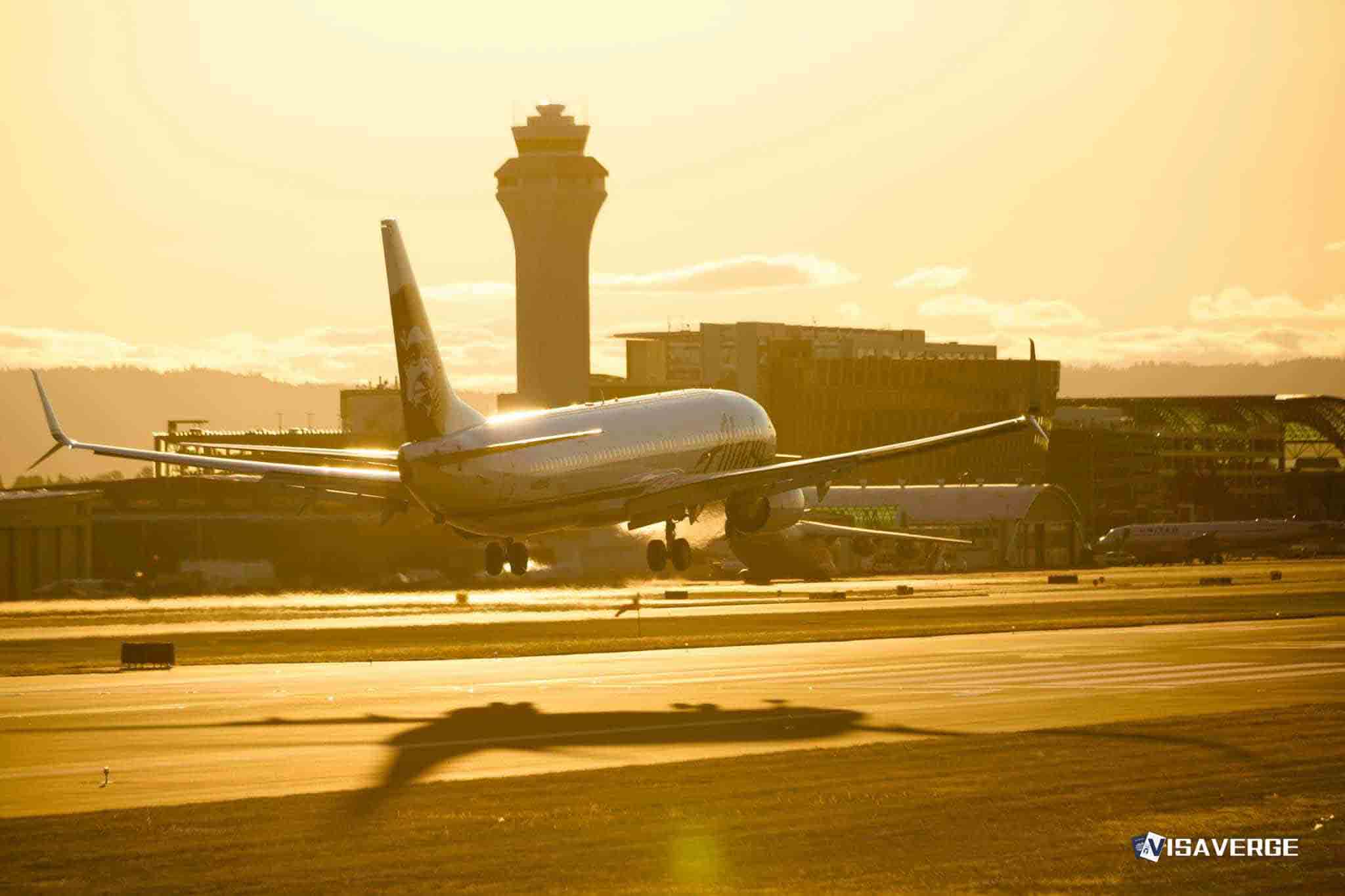
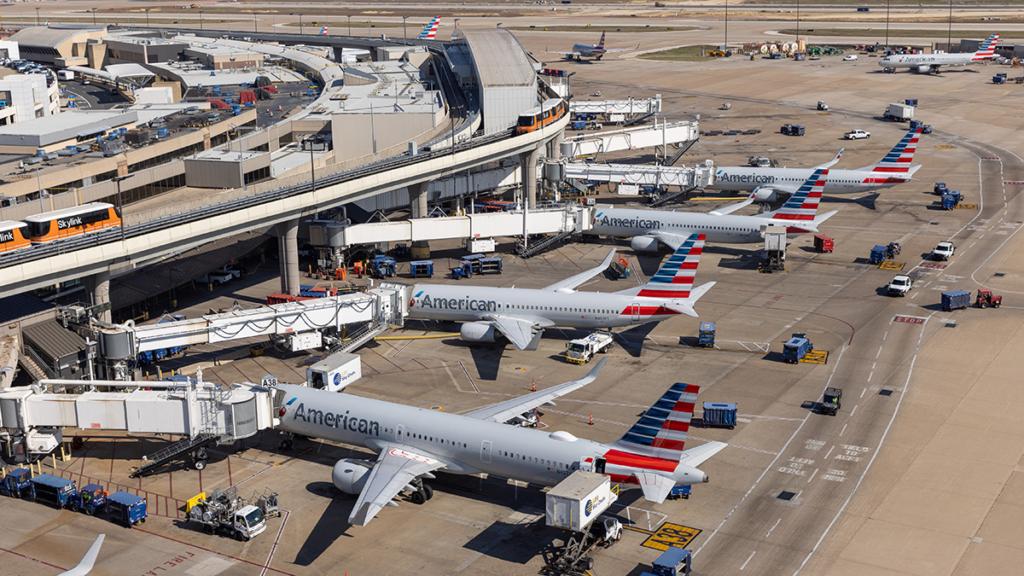
- Major disruptions resulted in over 1,600 delayed flights across the United States on August 21, 2026.
- The FAA cited severe weather and staffing constraints as primary drivers for the nationwide travel interruptions.
- Federal officials are investing 1.7 billion dollars to modernize air traffic systems with AI technology.
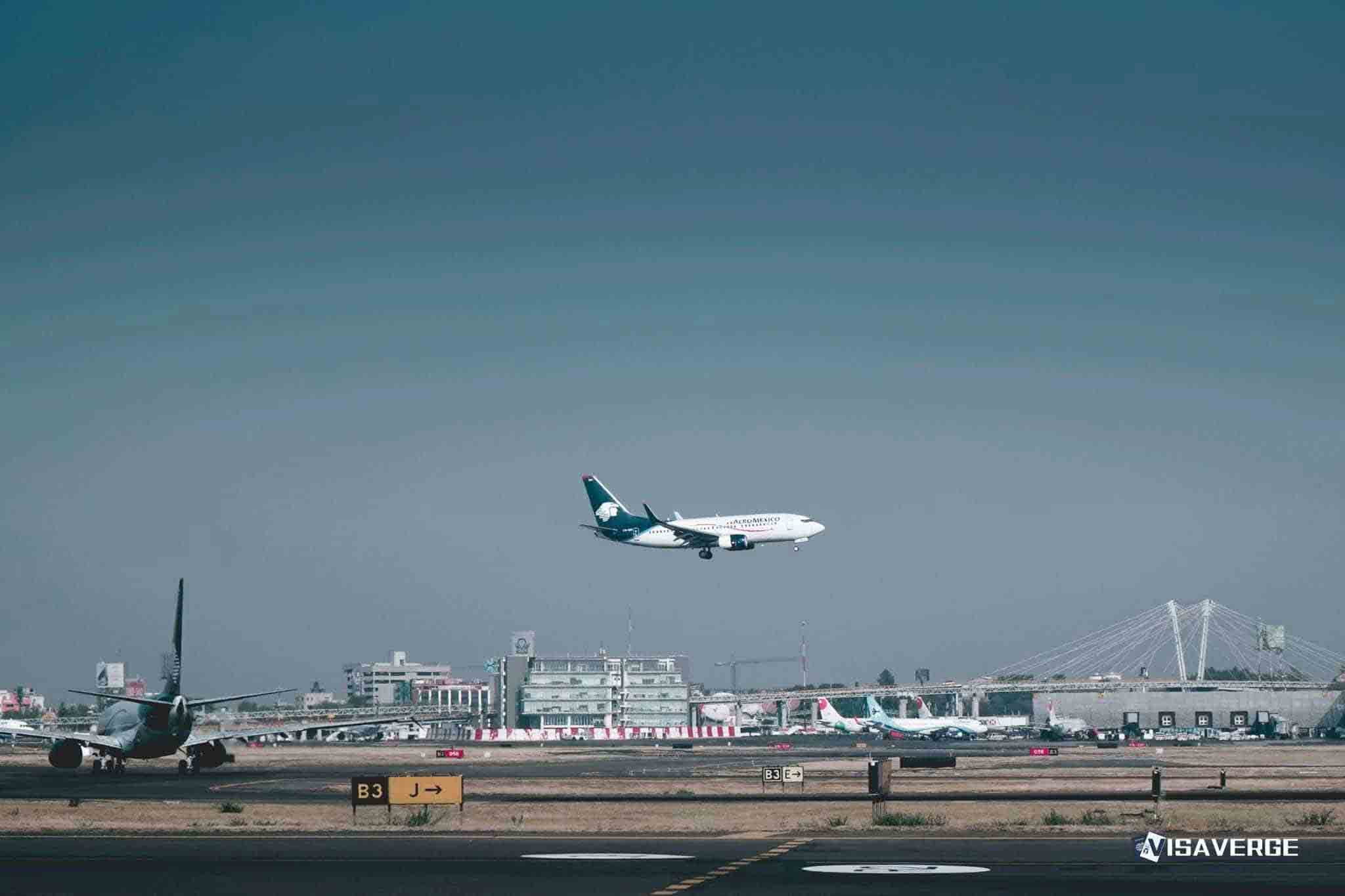
More than 1,662 flights delayed and 153 canceled across the United States on August 21, 2026, as severe weather and FAA traffic-management constraints disrupted major airport hubs. The interruptions reached several regions at once. Airlines and federal officials were managing the effects across a strained network.
New York, Chicago, Denver, Boston, Washington, D.C., and parts of Florida ranked among the areas facing the heaviest disruption. Newark Liberty International, Reagan National, Philadelphia International, Charlotte Douglas and Hartsfield-Jackson Atlanta also appeared among the most affected airports.
Free toolB1/B2 Tourist Visa Stay Calculator online
The Federal Aviation Administration attributed one major New York-area disruption to “severe weather and staffing constraints at the New York Air Route Traffic Control Center.” Weather was one pressure. Staffing was another.
The disruption also reached passengers before they arrived at the airport. Kelly Ann Sherry woke at 2 a.m. on Long Island for a JetBlue flight to Orlando, then learned that the airline had canceled the trip overnight.
One daily snapshot showed how the disruption varied by airport and carrier. John F. Kennedy International Airport recorded 47 delays, while Reagan National recorded 10 canceled flights in that snapshot.
The daily snapshot shows cancellations spread across five airlines
The reported airline totals were as follows:
| Airline | Cancellations as of Aug. 21 |
|---|---|
| PSA Airlines | 31 |
| JetBlue | 20 |
| Delta Air Lines | 15 |
| American Airlines | 12 |
| Endeavor Air | 10 |
Thunderstorms, low clouds and reduced visibility affected routes through multiple airport systems. Chicago O’Hare and Denver International were among the cited disruption points, along with airports serving Orlando, Boston, New York, Philadelphia, Seattle, San Francisco and San Diego.
Storms and visibility problems are slowing routes through several regions
The weather affected both arrivals and departures. Reduced visibility can limit the number of aircraft airports handle, while thunderstorms can force aircraft onto longer routes or hold them on the ground.
The Federal Aviation Administration’s operational planning also cited convective weather across the Southeast. The agency expected route restrictions and miles-in-trail requirements, with possible terminal impacts at Atlanta, Charlotte and airports in central and south Florida.
The national disruption followed several days of heavy operational pressure. FlightAware-based counts showed thousands of delays and hundreds of cancellations on each of three August dates.
| Date or period | Delays | Cancellations |
|---|---|---|
| August 15 | 6,120 | 419 |
| August 16 | 9,641 | 455 |
| August 17 | 7,409 | 238 |
| August 9 and August 13 | More than 40,000 | More than 3,500 |
The August 9 and August 13 figures cover a broader period than the daily counts. Together, they show how one disrupted schedule can continue affecting later flights as aircraft and crews fall out of position.
O’Hare staffing shortages have added a separate capacity constraint
Weather was not the only source of pressure. An airport-focused account said the FAA briefly halted flights at O’Hare on August 12 because of air-traffic staffing shortages.
That interruption added a personnel constraint to weather-related reductions in capacity. O’Hare sits within a network where a pause can affect connecting aircraft and crews beyond the airport itself.
A broader summer scheduling limit also remains in place. The cap allows 2,708 daily flights through October 24, 2026.
Sean P. Duffy, the U.S. Secretary of Transportation, described the current weather response during a press event at Newark Liberty International Airport. He said new technology could help controllers route aircraft around storms rather than halt broad portions of the system.
“We [currently] take a meat-cleaver approach when you have weather. Shut it all down. Don’t let anyone fly. With the [new AI] software, we can better find tracks and movement for aircraft to navigate weather and do it safely.”
The Department of Transportation is rolling out a $1.7 billion plan to rebuild the air traffic control system. Duffy has described the transition as a move away from “antiquated” systems toward a “great computerized system.”
Refunds depend on the delay and whether a traveler accepts rebooking
The Department of Transportation recently reinforced a final rule requiring automatic cash refunds for significant delays when a passenger does not accept rebooking. The threshold is 3+ hours for domestic travel and 6+ hours for international travel.
Airlines also issued travel waivers for some weather-affected routes. A Delta notice said:
“To support customers during the forecasted summer weather affecting the Northeast U.S. region, travel to, from, or through the destinations listed below may be affected.”
Passengers deciding between a new itinerary and a refund face different outcomes under the rule. The automatic-refund requirement applies when the qualifying delay occurs and rebooking is not accepted.
The current summer capacity limit will remain in effect through October 24, 2026. Until then, weather disruptions and staffing constraints will continue to operate within a network capped at 2,708 daily flights.