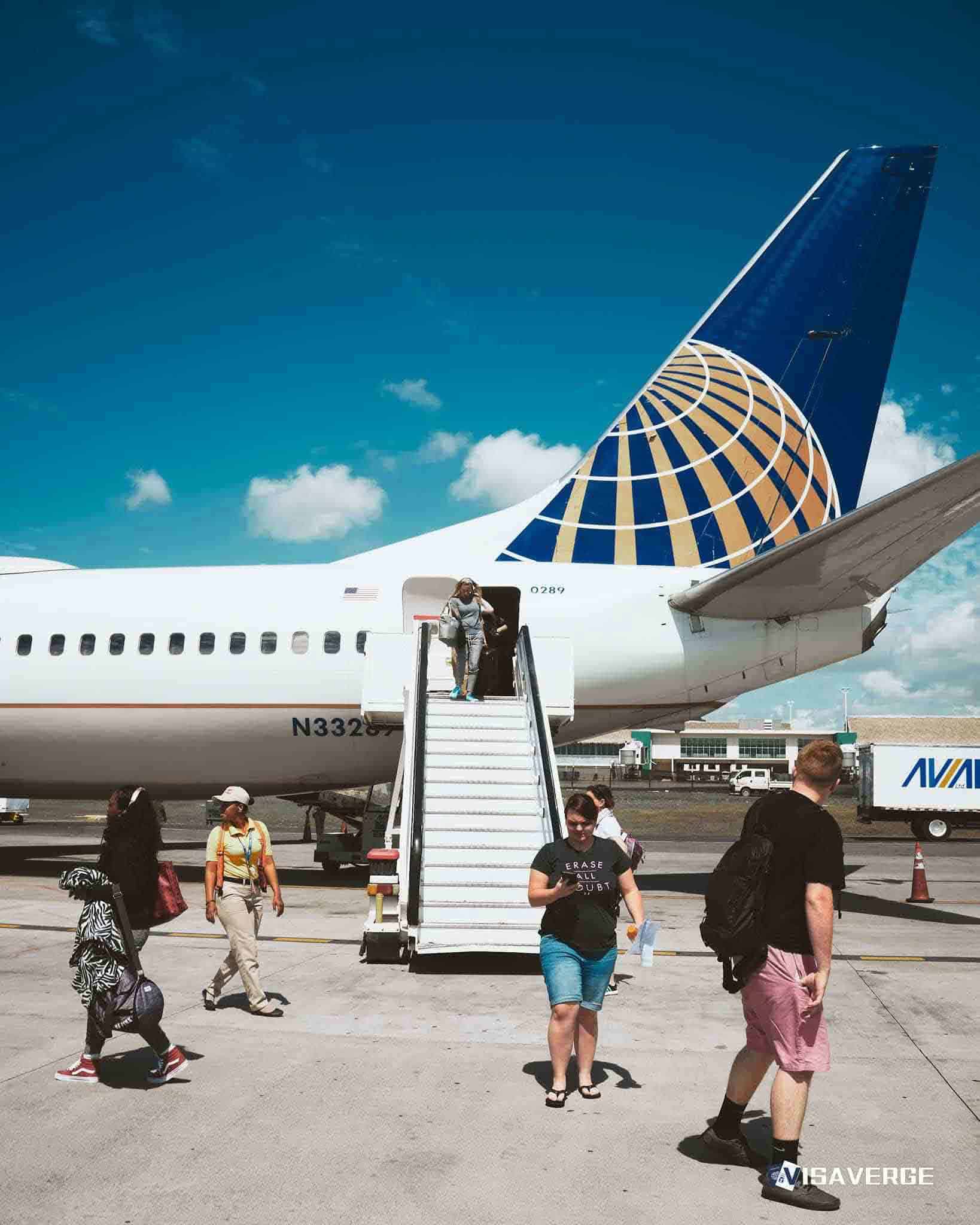
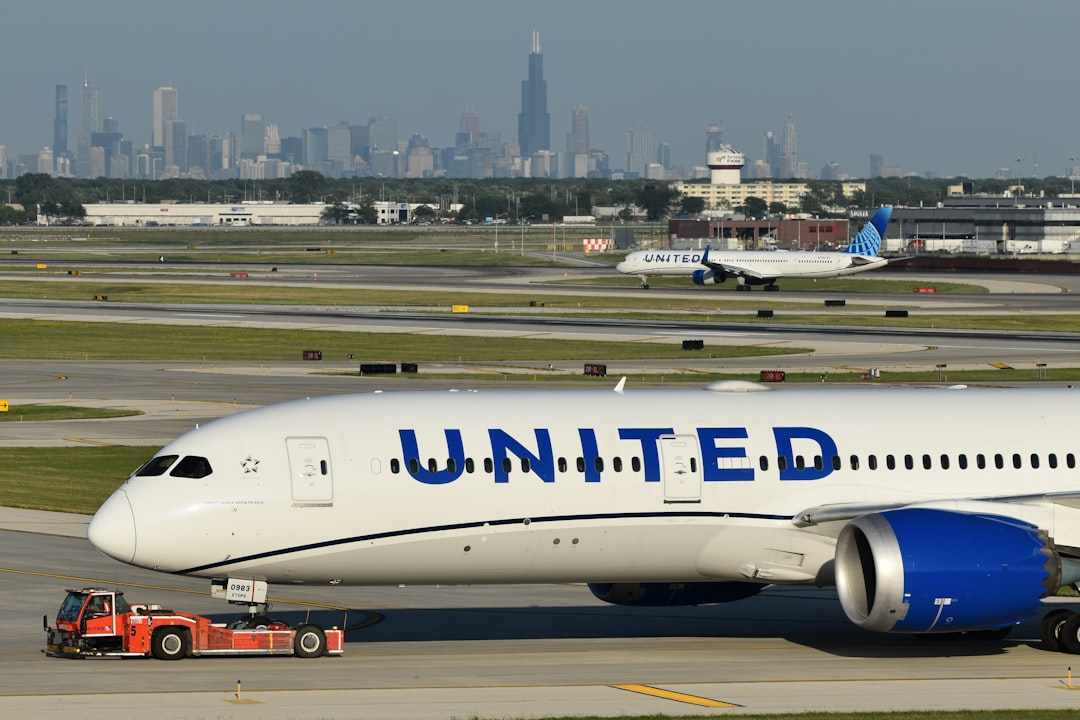
- FAA air traffic staffing shortages triggered delays and cancellations at O’Hare International Airport starting August 12.
- United Airlines was the most affected carrier, recording hundreds of delays and over 60 cancellations during the weekend.
- The FAA has capped daily flight schedules at two thousand seven hundred eight through October 24, 2026.
The FAA briefly halted flights at O'Hare International Airport on August 12 because of air-traffic staffing shortages, while United recorded the most cancellations among major U.S. carriers during the disruption that continued into August 16.
The airport’s traffic-management notices listed the cause as “STAFFING / STAFFING.” Flights stopped at 6:34 p.m. A separate ground-delay program held arriving flights for an average of 32 minutes.
Free toolB1/B2 Tourist Visa Stay Calculator online
United and Hawaiian Airlines each had 21 cancellations by Sunday morning, the highest totals among U.S. carriers. United also logged 42 delays by that point.
The stoppage was brief. The disruption was not.
Chicago weather, constrained air-traffic staffing and FAA capacity limits combined to produce several days of delays and cancellations. On Saturday, the airport recorded 472 departure delays, the highest total in the nation.
United absorbed the largest share of the wider Chicago disruption
United’s exposure stems from its major hub operation at the airport. During the broader disruption, the carrier recorded 65 cancellations and 773 delays on Saturday, according to figures cited in the coverage.
Passengers faced missed connections, long customer-service lines and canceled itineraries. United issued flexible rebooking waivers for travel through the airport from August 14–18, 2026.
Customers who bought tickets by August 13 could rebook without change fees or fare differences. The waiver covered the period when the staffing-related restrictions and accumulated delays overlapped.
The two carriers tied on Sunday morning, but United’s wider delay and cancellation totals made it the most affected large carrier in the Chicago disruption.
FAA caps are forcing airlines to cut schedules through October
The agency limited the airport to 2,708 daily flights for the summer 2026 season. Airlines had originally planned 3,080 flights per day.
That gap reflects the FAA’s intervention in airline schedules. The agency issued a formal scheduling-reduction order on April 16, 2026, requiring carriers to align operations with available personnel and runway capacity through October 24, 2026.
United has cut roughly 100 flights per day to meet the mandate. Omar Idris, United’s vice president of O’Hare, said the carrier kept its preferred daytime schedule largely intact.
“Crucially, we've preserved the high-quality flight times customers want between 7 a.m. and 8 p.m., with minimal changes to our afternoon peak.”
The schedule reductions also affected smaller communities. United suspended or delayed 10 new regional routes serving smaller Midwest cities as it worked within the airport’s limits.
| Capacity measure | Flights per day |
|---|---|
| FAA summer 2026 limit | 2,708 |
| Airlines’ original plan | 3,080 |
| United’s approximate daily reduction | 100 |
Officials say schedules must match controller capacity
Transportation Secretary Sean P. Duffy said the department wanted passengers to have more reliable schedules rather than face repeated cancellations and delays.
“If you book a ticket, we want you and your family to have the certainty that you'll fly without endless delays and cancellations. . Applying that same strategy [as Newark] at O'Hare—where unrealistic schedules were set to dramatically exceed what they could handle—will reduce delays.”
FAA Administrator Bryan Bedford also linked schedule limits to operational safety.
“Our number one priority is the safety of the flying public, and that means ensuring airline schedules reflect what the system can safely handle.”
The staffing shortage reflects long-running recruitment problems and the fallout from a previous government shutdown, when controllers worked without pay. The training pipeline remains active but strained.
Official reports also clarified a separate claim circulating on social media. February 2025 reductions eliminated several hundred probationary roles, but they did not eliminate all controllers in training.
United and American are fighting over limited airport capacity
The scheduling dispute has placed United and American Airlines in a prolonged contest for market share at the airport. Industry analysts have described the fight as a “corporate chess match” and a “war of attrition.”
Both airlines reportedly packed more flights into the airport than its infrastructure could support. The FAA’s reduction order forced that competition into a smaller operating envelope.
The result is a schedule that can look intact on paper while remaining vulnerable to staffing interruptions, weather and the movement of connecting passengers through the hub.
New technology is planned, but passengers face near-term disruption
Secretary Duffy announced the installation of a new Surface Movement Radar, identified as SMR-4, at Reagan National on August 14. The equipment forms part of the “Speed of Trump” initiative to modernize air-traffic-control technology.
The same technology is slated for rollout at the Chicago airport. It is intended to help reduce efficiency losses tied to staffing constraints, although the immediate disruption came from personnel shortages and schedule pressure.
Because the airport handles large numbers of connecting passengers, the August 16 pause created a nationwide backlog. Analysts expect several days will be needed to clear the accumulated delays after staffing levels at the tower stabilize.
United passengers traveling through August 18 should check their reservation before leaving for the airport and use the carrier’s waiver if their itinerary qualifies. The FAA’s current scheduling limits remain in place through October 24, 2026.