- United Airlines dropped eleven planned routes from Chicago O’Hare following federal flight caps for summer 2026.
- The FAA limit of 2,700 daily operations aims to reduce delays during ongoing airfield modernization.
- Affected travelers on regional and international flights qualify for full refunds regardless of the ticket type purchased.
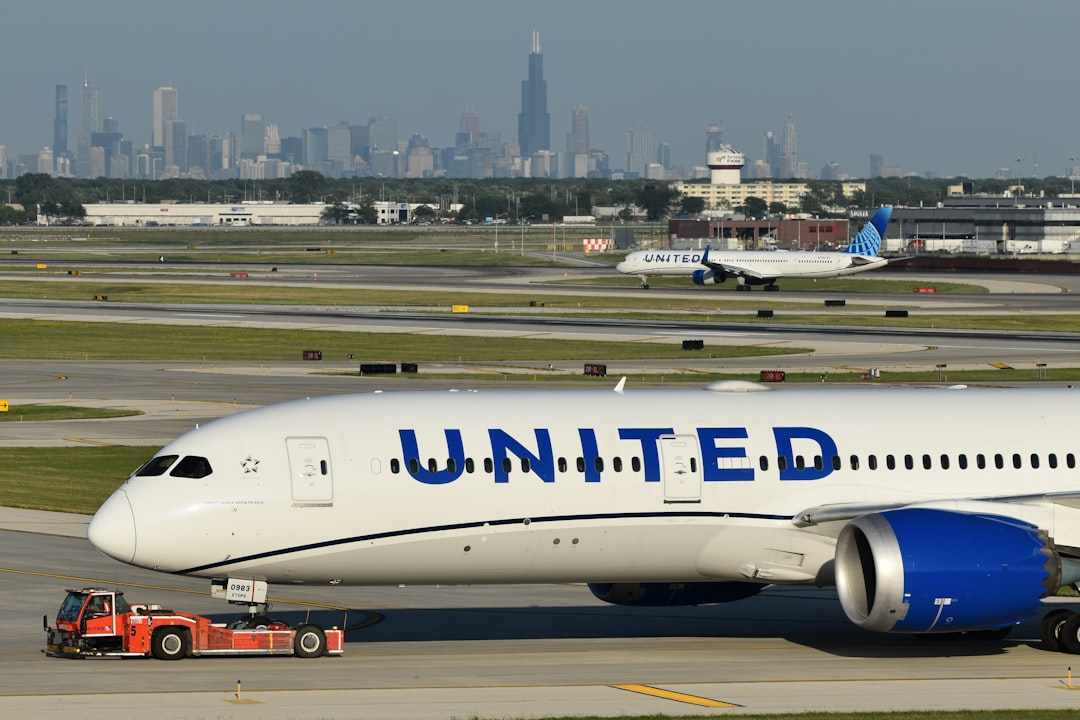
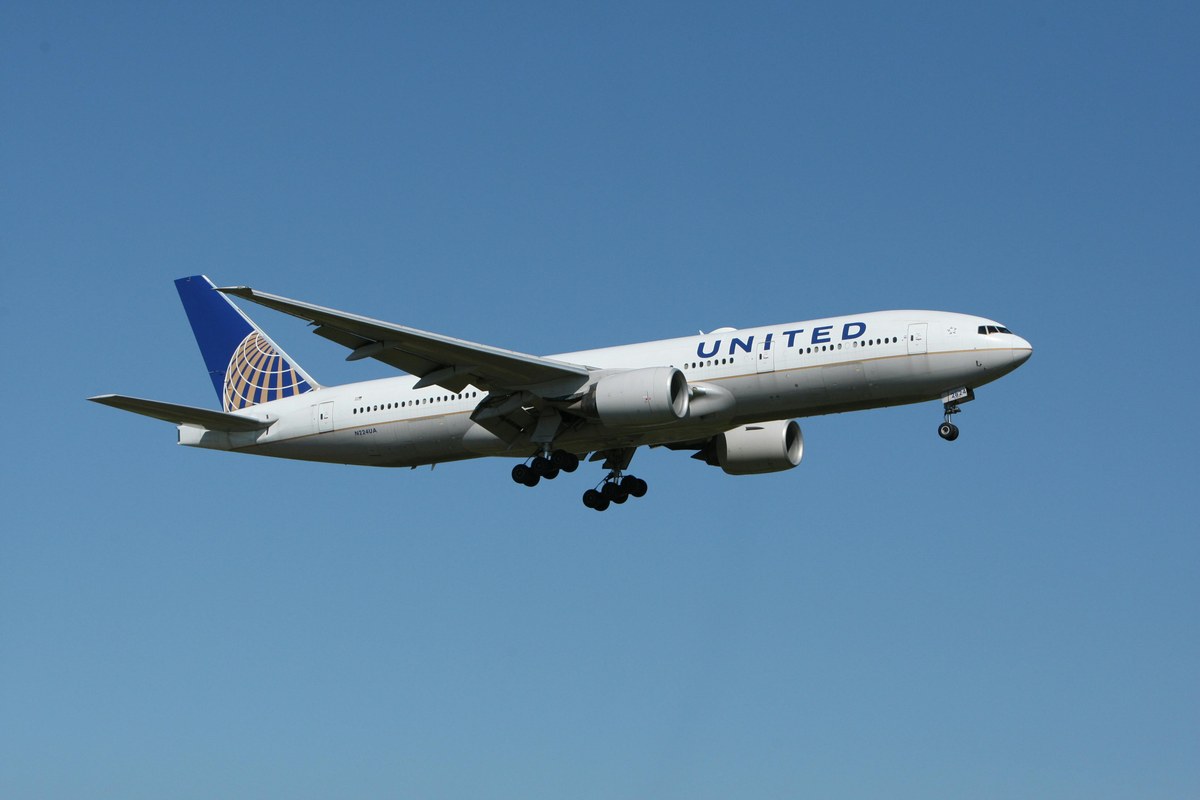
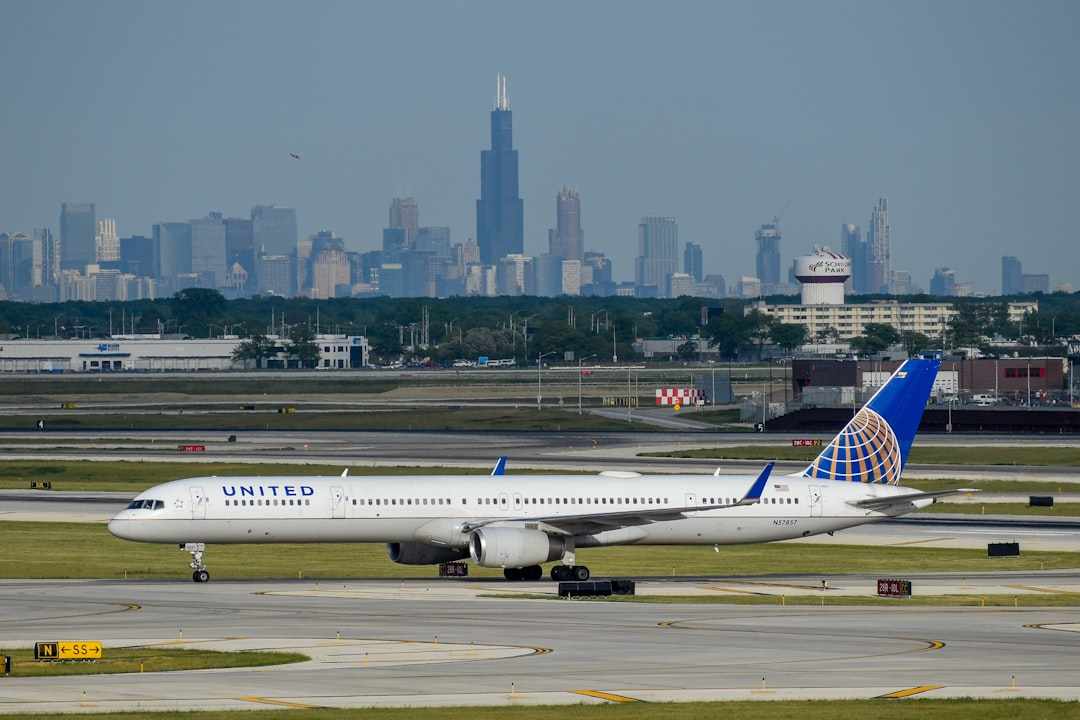
United Airlines dropped 11 planned routes from Chicago O’Hare on July 24, 2026, after FAA flight caps forced it to cut service and redirect aircraft to existing flights. The cancellations remove planned nonstop access for 10 Midwest regional airports and Guadalajara, Mexico.
The carrier is cutting approximately 100 to 130 daily departures from its original summer 2026 peak schedule of 780 flights. United also expects to remove an estimated 22,000 two-way flights from its summer and fall plans.
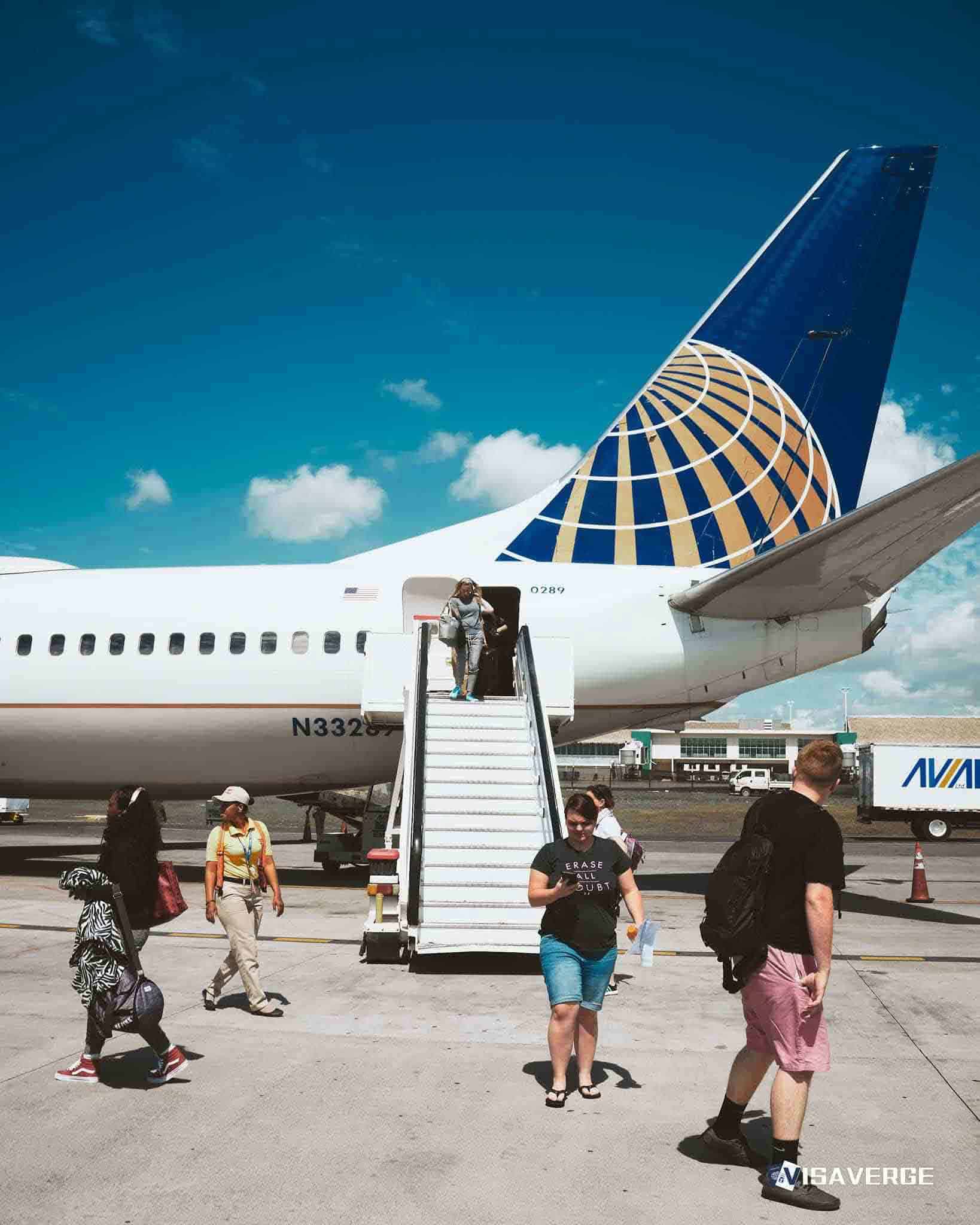
The airport restriction now extends into next year. The Federal Aviation Administration announced on July 10, 2026, that the limit would remain through October 2027, with the formal extension ending on October 30, 2027.
Passengers booked on the affected services are being contacted.
The airline is offering rebooking or full refunds to travelers whose itineraries were affected. United confirmed that “non-refundable and Basic Economy tickets” qualify for refunds when the cancellations result from the federal mandate.
The canceled services were mostly new Midwest routes
The 11 routes were primarily scheduled to begin in mid-2026. Guadalajara service had been planned for travelers attending the FIFA World Cup.
| Destination | State or country | Airport code |
|---|---|---|
| Guadalajara | Mexico | GDL |
| Champaign/Urbana | Illinois | CMI |
| Kalamazoo/Battle Creek | Michigan | AZO |
| Lansing | Michigan | LAN |
| La Crosse | Wisconsin | LSE |
| Bloomington/Normal | Illinois | BMI |
| Erie | Pennsylvania | ERI |
| Rochester | Minnesota | RST |
| Wausau | Wisconsin | CWA |
| Marquette | Michigan | MQT |
| Tri-Cities | Tennessee | TRI |
The changes affect travelers in smaller markets that had been due to gain direct hub access. La Crosse and Kalamazoo are among the communities facing fewer convenient flight choices.
Some passengers may need connections instead. Others may drive to larger airports or pay more for remaining options.
Guadalajara is the lone international route in the group. Its cancellation affects travelers who had planned trips around the World Cup, including fans seeking a nonstop option from the hub.
The agency is limiting movements while airport work continues
The FAA initially capped the airport at 2,700 daily operations in April. Officials cited the need to reduce delays during continuing airfield construction.
A later description set the limit at 2,708 daily landings and takeoffs. Airlines had planned 3,080 flights for the peak summer season.
The figures reflect two stages of the restriction.
The April cap established the operating limit, while the July extension carried it into the construction period in 2027. United is responding by placing aircraft on larger existing services rather than using them to launch the 11 routes.
That strategy allows the carrier to move more passengers within the reduced number of permitted operations. It also gives priority to established flights as the airport handles fewer movements than airlines had scheduled.
The pressure follows weak operating performance during summer 2025. Only 56% of departures and 58% of arrivals operated on time at the airport during that period.
Construction has tightened the airport’s peak-hour capacity
The restrictions are linked to the O’Hare 21, or ORDNext, modernization program. Work includes a new 19-gate Concourse D, renovations to Terminal 3 and improvements to airfield taxiways.
Those projects have reduced the airport’s physical capacity for peak-volume ground movements. Airlines are still seeking room to add or expand service while construction occupies parts of the operating environment.
The dispute also involves future gate access.
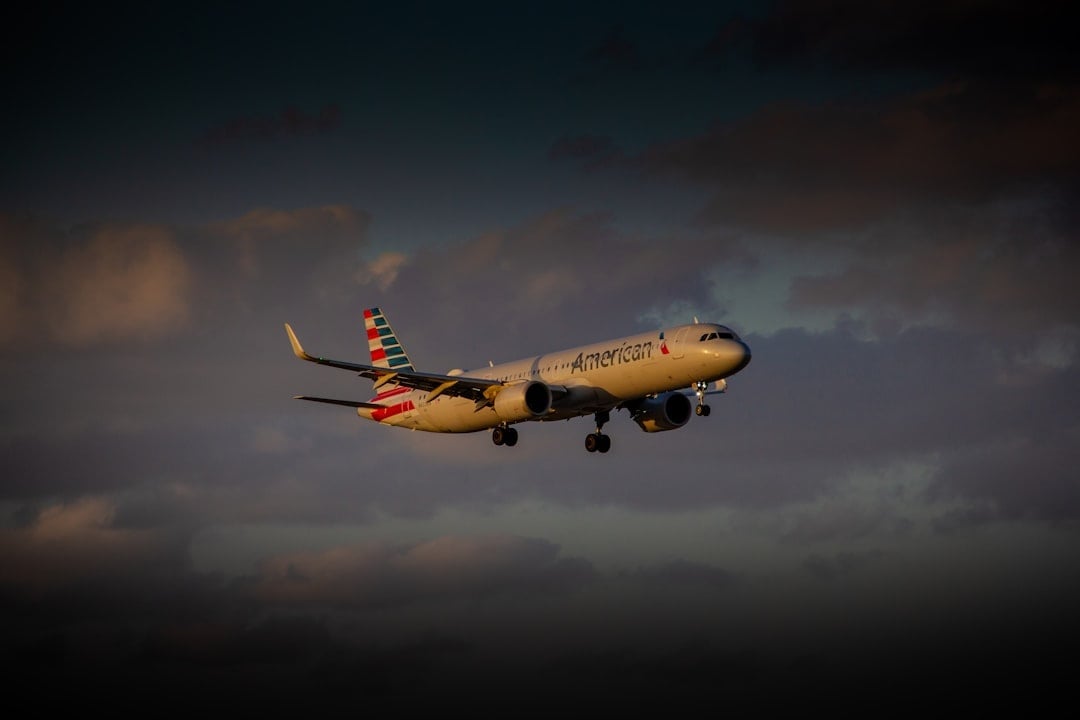
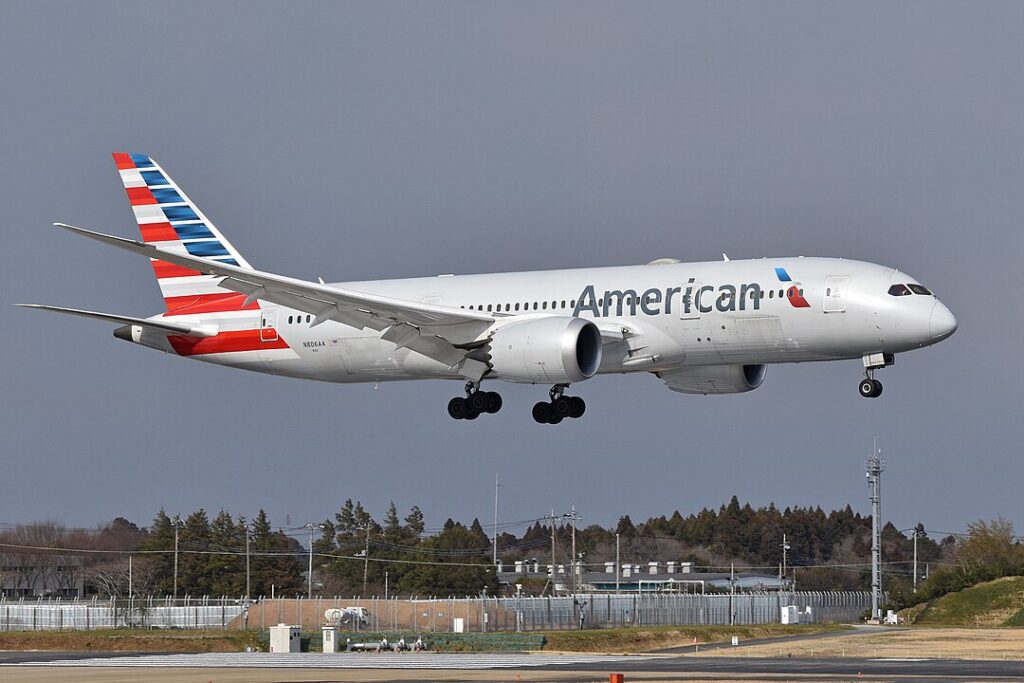
Analysts have described the conflict between United and American Airlines as a “scheduling war.” Both carriers filed 2026 schedules that were described as unrealistic because they exceeded the airport’s practical capacity.
Gate allocations often rely on historical usage. The competing schedules were intended to protect future gate share, prompting federal intervention.
Transportation Secretary Sean P. Duffy said the government wanted schedules to match what the airport could reliably handle. On April 16, 2026, he pointed to a similar approach used at Newark Liberty International in 2025.
"If you book a ticket, we want you and your family to have the certainty that you’ll fly without endless delays and cancellations. Applying [the Newark strategy] at O’Hare—where unrealistic schedules were set to dramatically exceed what they could handle—will reduce delays."
FAA Administrator Bryan Bedford gave the agency’s safety rationale on April 17, 2026.
"Our number one priority is the safety of the flying public, and that means ensuring airline schedules reflect what the system can safely handle."
United had already considered moving capacity elsewhere
Scott Kirby, the carrier’s chief executive, responded to the initial cap in May 2026 by saying United might “add capacity at a different airport instead of O'Hare.” He also said the airline was “reviewing schedule options to keep our operations reliable.”
The route reductions follow that approach. Aircraft previously assigned to new service can support larger planes on routes that already operate from the hub.
The airline also said it protected its strongest customer-requested departure periods. Omar Idris, United’s vice president of O’Hare, described the schedule changes on April 30, 2026.
"Crucially, we've preserved the high-quality flight times customers want between 7 a.m. and 8 p.m., with minimal changes to our afternoon peak."
Both major carriers later praised the extension as a “prudent decision” that would maintain operational stability during the construction period.
The limit sets the number of movements airlines can plan around until the work progresses. It also restricts how much new nonstop service the carrier can add from the hub.
Travelers with affected bookings should watch for direct contact from the airline. Rebooking choices and refunds will depend on whether the itinerary was changed under the federal mandate, including the stated eligibility for non-refundable and Basic Economy tickets.
The operating limit remains scheduled through October 30, 2027. Until then, planned growth will remain tied to the airport’s daily ceiling and the pace of the modernization work.