(CHICAGO, ILLINOIS, UNITED STATES) The Federal Aviation Administration placed a ground delay program at O’Hare on Monday after severe staffing shortages in air traffic control triggered hours-long waits for flights. The move, affecting one of the nation’s busiest hubs, followed a weekend of rolling disruptions and came as the government shutdown reached its 41st day. The FAA said average delays at O’Hare stretched to about four hours on November 10, and it warned of “continued disruptions” if staffing levels did not stabilize.
What happened over the weekend and why
By late Sunday, the agency had suspended general aviation traffic at O’Hare and 11 other major airports facing the same problem, escalating what began with a short ground stop on Saturday afternoon. That ground stop lasted about an hour but backed up dozens of flights as airlines scrambled to reshuffle schedules.
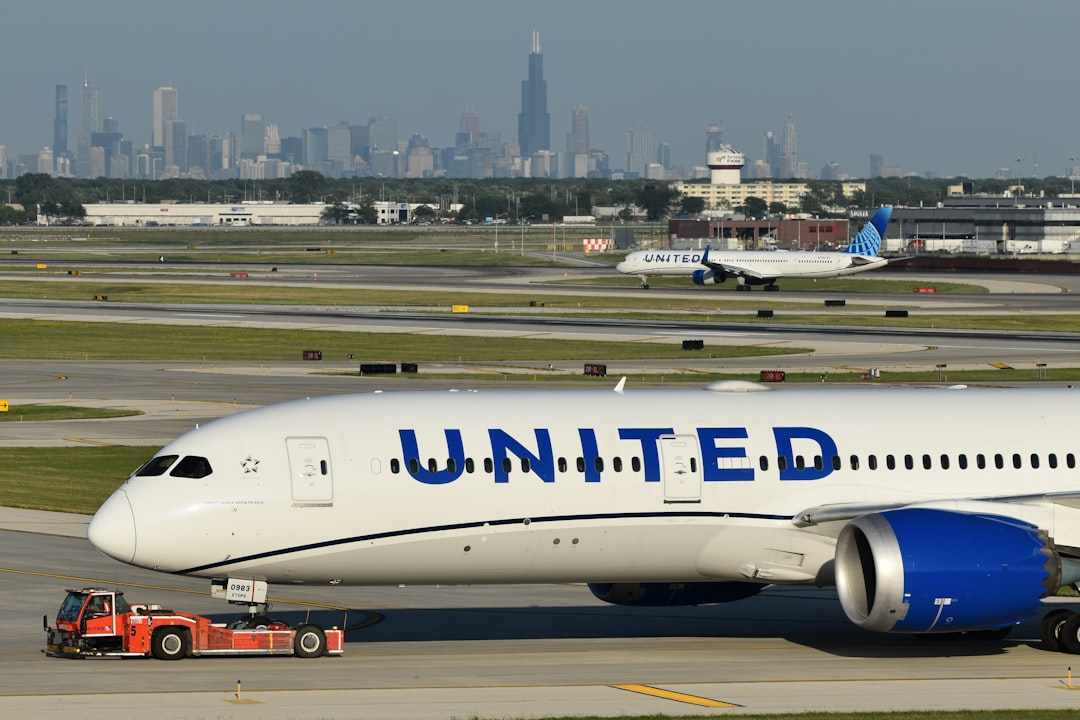
With the ground delay program now in place, airlines and passengers are being metered into the system to prevent airborne bottlenecks. The trade-off is more waiting on the ground and broader schedule changes that ripple through airline networks.
Free toolB1/B2 Tourist Visa Stay Calculator onlineThe FAA’s message: safety first, capacity second.
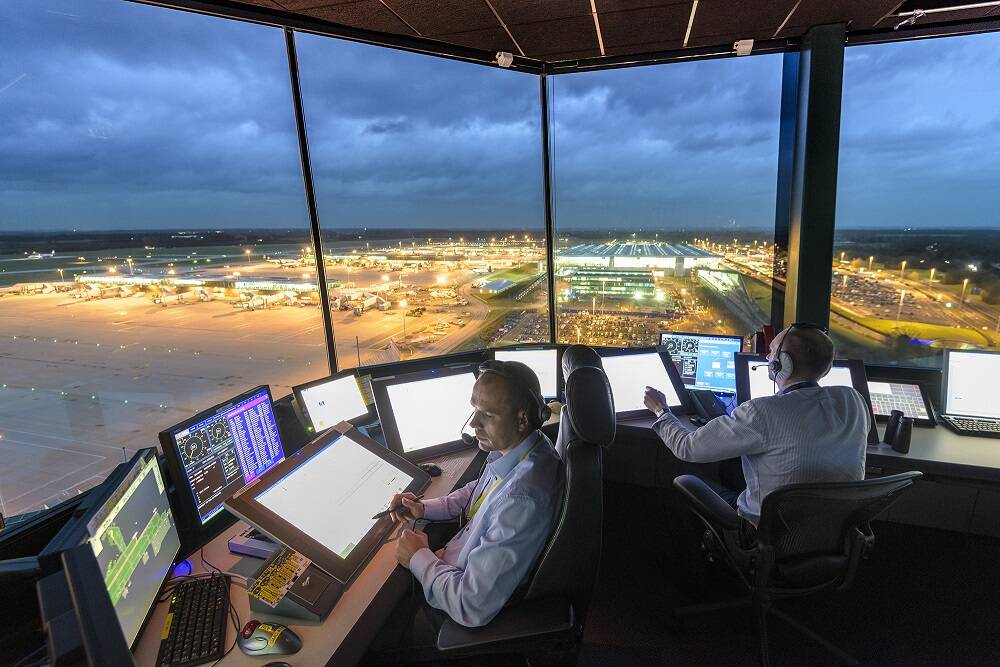
Officials said controllers, who have been working without pay since the shutdown began on October 1, are calling in absent at levels that make normal operations unsafe. Bryan Bedford, the agency’s chief, told reporters that between 20% and 40% of controllers at some facilities were not reporting for duty on a given day. That degree of absence forces managers to reduce the number of aircraft they can handle at any moment, prompting ground delay programs and similar restrictions.
Nationwide capacity reductions and timeline
To manage the strain, the FAA ordered progressive cuts across 40 of the country’s busiest airports, including O’Hare.
- 4% daily flight reductions began on Friday, November 7
- 6% cuts required starting Tuesday, November 11
- 10% reductions planned by November 14 if conditions do not improve
Transportation Secretary Sean P. Duffy said the reductions will stay in place “only as long as needed” and that the FAA will lift them once staffing and safety data meet internal thresholds. For O’Hare this means:
- Fewer available slots
- Longer taxi times
- More missed connections affecting travelers nationwide
Weekend sequence of events
- Saturday: One-hour ground stop at O’Hare; airlines consolidated flights and repositioned crews.
- Sunday night: FAA suspended general aviation at O’Hare and 11 other major airports to focus controllers on scheduled commercial traffic.
- Monday morning: With controller no-shows still high, FAA activated the ground delay program to pace arrivals and departures safely.
Impact on passengers and airlines
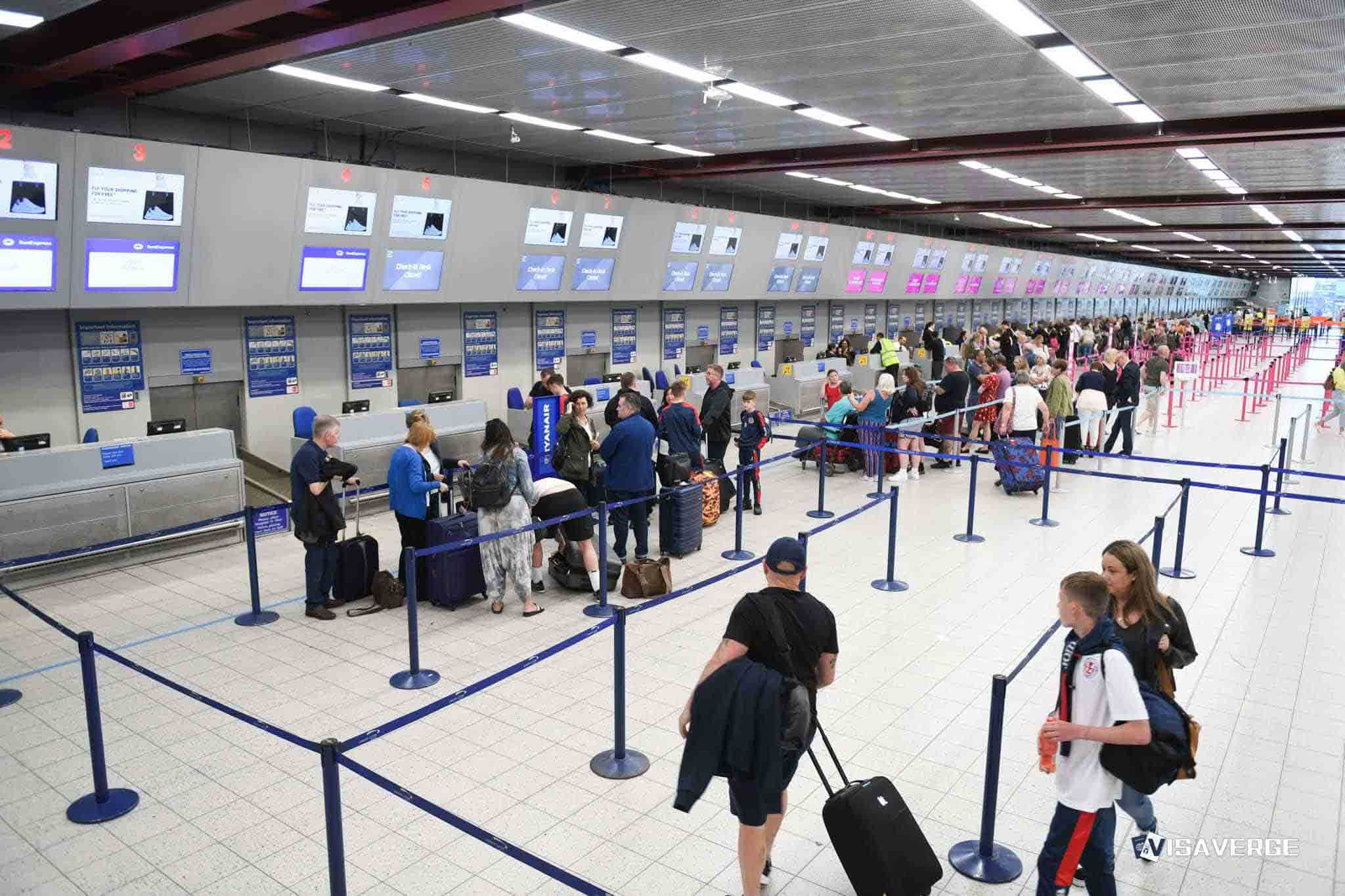
For passengers, the practical effect is often a day that starts with a delayed pushback and ends with a missed connection. Airlines have introduced broad waivers to help customers:
- United Airlines offered refunds for flights between November 6–13 for tickets bought on or before November 4.
- Other carriers issued alerts via apps and text messages, nudging customers toward earlier flights or alternate routes.
These measures help reduce the number of people stuck at gates when a last-minute ground delay program forces schedule changes.
Airlines have also trimmed schedules and parked spare aircraft to concentrate crews where needed. Even a small cut (like the FAA’s 4%) can materially change operations at a complex hub like O’Hare. When cuts reach 10%, the hub-and-spoke model begins to strain—especially during late-afternoon banks—producing end-of-day cancellations and messy restarts the next morning.
System-wide strain and human impact
The shutdown’s length has turned a staffing challenge into a system-wide strain. Controllers are highly trained for high-pressure work, but extended unpaid labor, childcare gaps, and overtime demands are becoming unsustainable.
- Staffing shortages now touch: towers, TRACONs, and en route centers.
- National-level traffic management initiatives have become routine rather than exceptional.
- Analysis by VisaVerge.com indicates prolonged shortfalls at key hubs create a domino effect to regional airports, ground handling teams, and airline crew scheduling, making recovery uneven even after major delays ease.
On the human side:
- Business travelers face lost meetings and extra hotel nights.
- Families and students experience trips cut short or extended without warning.
- Crews (pilots, flight attendants, mechanics) wait out ground holds like everyone else, often uncertain about when the next leg will depart.
Airport operations response
Airport operations teams have shifted staff to manage gate availability and keep passengers moving. Key actions include:
- Concourse agents handling repeated rebookings
- Ramp crews expediting turnarounds when slots open
- Coordination to limit knock-on effects to smaller Midwestern and long-haul routes
O’Hare’s central role in national and international connectivity means disruptions there quickly propagate across the system.
FAA communications and traveler guidance
The FAA has pushed traffic management advisories through its central system so airlines and airports can plan in real time. Official advisories — ground stops, ground delay programs, and flow restrictions for O’Hare and other airports — are posted by the Air Traffic Control System Command Center.
- Travelers can review updates at the FAA’s advisory portal: FAA Air Traffic Advisories
- Airlines remain the best source for flight-specific information
The FAA has been cautious about giving precise end times, noting staffing shortages vary by facility and shift. Their guidance to travelers:
- Check with your airline before leaving for the airport
- Expect longer-than-usual taxi times and gate holds
- Be prepared for diversions when weather and staffing issues combine
Key takeaways and outlook
- The ground delay program at O’Hare is the clearest signal that staffing shortages have reduced system capacity.
- The FAA’s stepped reductions (4%, 6%, 10%) aim to restore predictability but also acknowledge the problem is not short-term.
- Until staffing stabilizes and the shutdown ends, expect rolling delays, thinner schedules, and more last-minute changes—especially at major hubs like O’Hare.
The agency’s note that disruptions would continue is both a warning and a call for patience: the nation’s air traffic system is running with less slack, and O’Hare—built to absorb shocks—will feel each tremor first.
This Article in a Nutshell
The FAA instituted a ground delay program at O’Hare after controller shortages caused average delays of about four hours on November 10. Following weekend disruptions and suspension of general aviation at O’Hare and 11 other airports, the FAA ordered progressive flight reductions across 40 major airports (4%, 6%, and potentially 10%) to maintain safety. Controller absenteeism—reported at 20–40% in some facilities amid the 41-day government shutdown—has strained national traffic management. Airlines issued waivers and rebookings; travelers should monitor airline updates and expect ongoing delays until staffing normalizes.