- NATS said a flight data processing failure grounded more than 1,750 UK flights on Tuesday, with delays into Wednesday.
- Airports including Heathrow and Gatwick saw disruption as airlines canceled flights and rebooked passengers across Europe.
- Transport Secretary Heidi Alexander demanded answers after the outage, which officials said was not caused by a cyber attack.
NATS said a failure in its flight data processing system grounded more than 1,750 UK flights on Tuesday, September 8, 2026, with cancellations and delays continuing into Wednesday. The disruption affected airports across the country and pushed airlines into a network-wide recovery effort.
A further 153 flights were canceled on Wednesday, while aircraft and crews remained out of position across Europe. Passengers faced delays of up to eight hours as carriers rebooked travelers and worked through the backlog.
The outage took longer to fix than expected, according to Martin Rolfe, the chief executive of the air traffic control provider.
“We don’t have an idea yet of exactly what went wrong,” Rolfe said. “We will be doing a very thorough and full investigation.”
The provider said its engineers had identified the fault and implemented a fix. Rolfe also said the system’s purpose was to protect passengers, saying, “Our job is also to make sure that people stay safe.”
The agency said “safety was not compromised.” The UK government ruled out a cyber attack, while the provider warned that restoring normal schedules would take time because of the accumulated flights, aircraft and passengers.
Airports kept terminals open as passengers checked whether flights would operate
Heathrow, Gatwick, Manchester, Birmingham, Edinburgh, Bristol, Stansted and London City were among the airports affected. The disruption reached 15 UK airports in one account.
Heathrow said departures had resumed after the system failure but warned that interruptions would continue. It added extra colleagues to its terminals and worked with the air traffic control provider and airline partners to assist passengers.
The airport issued a direct warning:
“only travel if your flight is confirmed to be operating.”
The message came as passengers remained stranded in terminals and on airport runways. Airlines faced the additional problem of repositioning planes and crews before they could return to normal schedules.
Airlines faced separate cancellations as the network reset
| Airline | Reported disruption |
|---|---|
| EasyJet | 200 cancellations |
| British Airways | More than 100 canceled flights |
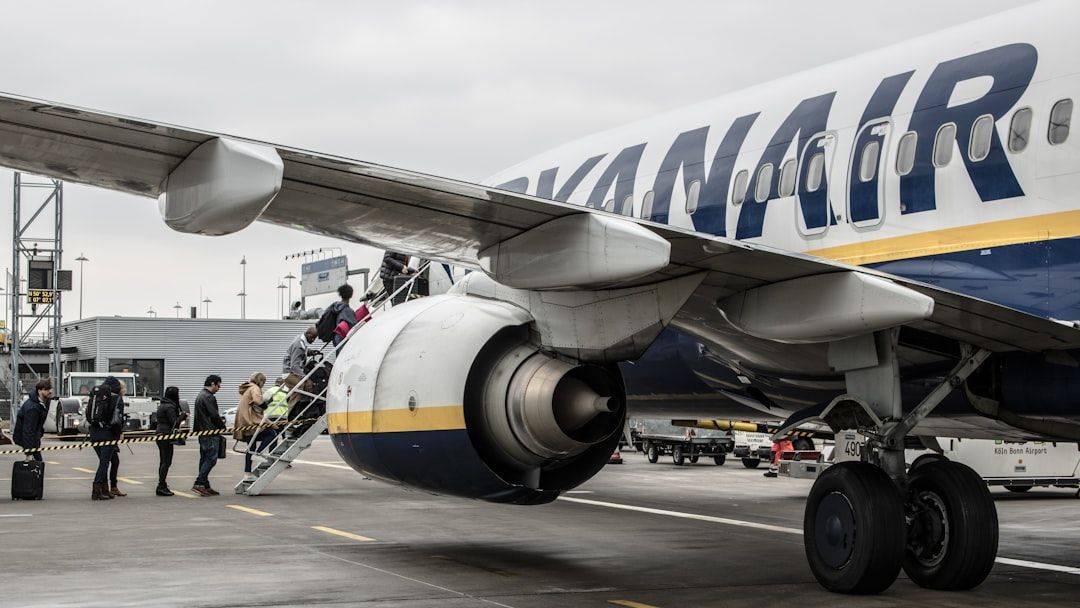
| Ryanair | Around 150,000 passengers affected by delays of up to eight hours; more than 200 flights canceled |
Figures attributed to Ryanair varied across accounts. Another figure put the number of disrupted passengers at more than 65,000 and cancellations at more than 50 flights.
The different totals reflected separate measures of the breakdown, including cancellations, scheduled flights and passengers affected. Airlines continued rebooking travelers while aircraft and crews moved back into position.
Different flight counts reflected the disruption across the network
Cirium data cited in coverage showed more than 1,750 cancellations on Tuesday and 153 more on Wednesday. Separate flight-tracking data counted 1,300 flights to and from UK airports canceled on Tuesday, with 177 scheduled for cancellation on Wednesday.
Those figures measured different parts of the disruption. One counted cancellations across the wider schedule, while another focused on flights to and from UK airports.
The consequences spread beyond Britain. Aircraft that could not depart left later services without planes, and crews also ended up away from their planned bases. That created delays even after the technical fault had been addressed.
The air traffic control provider described the restoration as complex and said the wider aviation network would need time to recover.
The transport secretary demanded answers as the recovery continued
Heidi Alexander, the UK Transport Secretary, summoned Rolfe to explain the failure. She said she was “seeking assurances that lessons will be learned and systems that support aviation are up to the job.”
Ed Miliband, the UK Foreign Secretary, called the disruption “frankly unacceptable.” The political response followed a failure that affected both domestic services and international flights using UK airports.
Rolfe said the investigation would examine the technical breakdown in full. The provider also said its system was beginning to recover after engineers applied the fix.
The outage revived questions about earlier failures
The incident was described as the third large-scale stoppage tied to technical problems at the air traffic control provider in just over three years. A previous major failure in 2023 caused broader disruption after a flight-plan processing failure.
The latest recovery continued on September 9, 2026, as airlines cleared the backlog and checked whether scheduled flights could operate. Passengers were told to confirm their flight status before leaving for the airport.