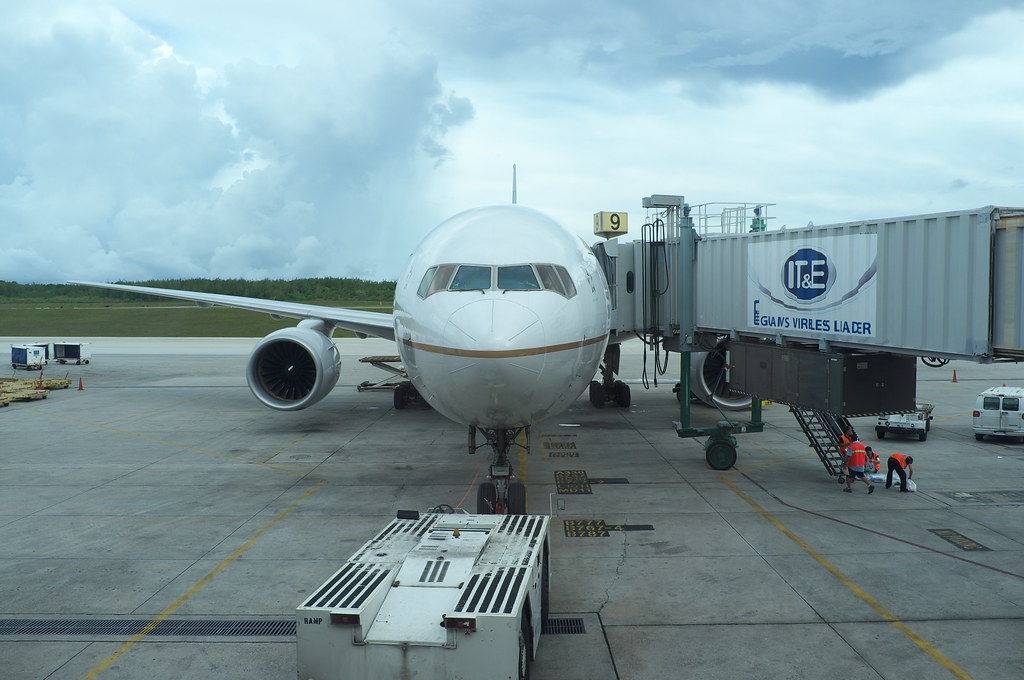
(HEATHROW) Air travellers faced a bruising first half of 2025 as aviation systems strained under fires, outages, staffing gaps, and harsh weather. New data from AirHelp shows that nearly one in four global passengers—about 490.3 million people—were hit by delays or cancellations from January through June.
The toll was especially stark in the United Kingdom, where a Heathrow Airport closure in March and a nationwide air traffic control outage in July triggered cascading disruptions that stretched across Europe and into transatlantic schedules.
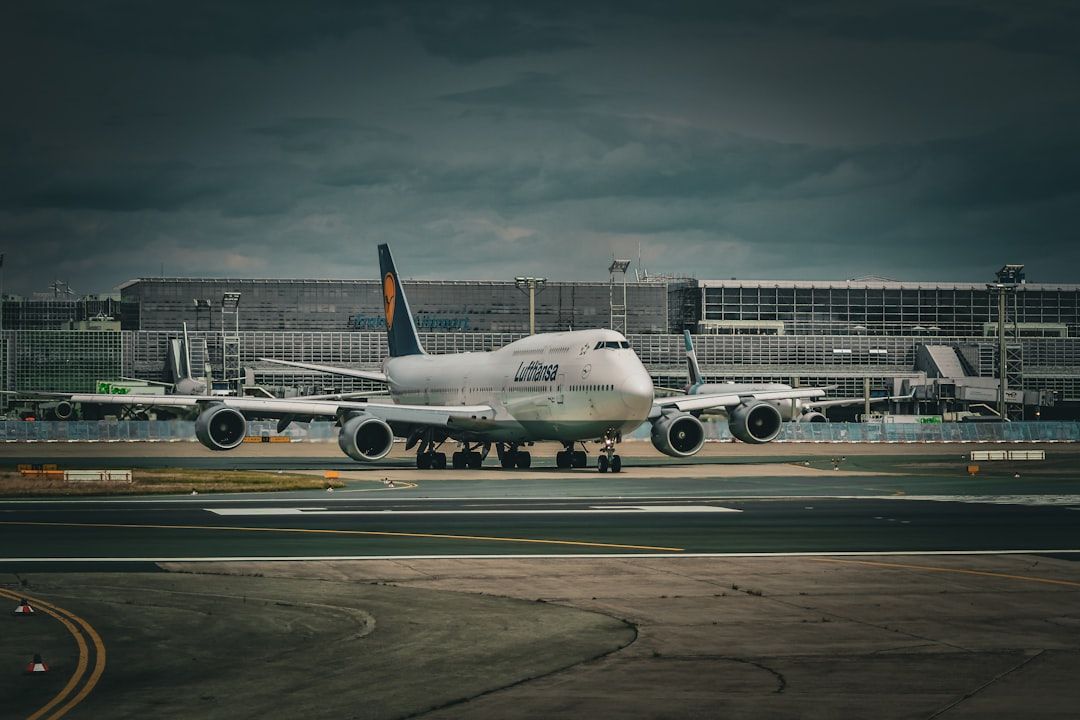
The most dramatic disruption: March 21, 2025
On March 21, 2025, a fire at the North Hyde substation forced Heathrow, the UK’s busiest hub, to shut almost entirely for the day.
Free toolB1/B2 Tourist Visa Stay Calculator online- Of 609 scheduled departing flights, only 10 took off.
- AirHelp reports 99% of passengers were disrupted, with 98% of UK passengers facing cancellations.
- Only 1,425 of the planned 96,800 departing passengers actually left Heathrow that day.
- Long-haul routes to JFK, LAX, and Miami experienced a 100% cancellation rate.
The closure underscored how a single infrastructure failure can halt travel for families, students, and workers within hours. Major hubs have thin buffers: when a key system fails, recovery is slow, rebookings are limited, and missed connections become missed events—weddings, job interviews, medical visits. Analysis by VisaVerge.com notes these knock-on effects now ripple faster because airlines run near full capacity in peak seasons, leaving little slack when schedules break.
The July 30–31 NATS outage
Four months later, on July 30–31, a technical failure at the UK’s National Air Traffic Services (NATS) center led to mass delays and cancellations at Gatwick, Birmingham, Manchester, Cardiff, and Edinburgh.
- Disruption share in the UK nearly doubled from 22% to 43% over those two days.
- On July 30, 194,000 passengers were disrupted; on July 31, the number climbed to over 201,000.
- Gatwick: 42,700 travellers affected on July 31, with 64% of departing flights disrupted.
The NATS outage caused reduced flow rather than a full stop, but the effect was long queues on the ground and in the air, widespread missed connections, and major travel headaches for holidaymakers and business travellers alike.
Global disruption snapshot (H1 2025)
AirHelp counted 80.4 million affected travellers in Europe in the first half of the year. Some countries had particularly high impact rates:
- Portugal: 33.4% of passengers (~5.3 million) — highest rate in Europe
- Greece: 31.1% (~4.4 million)
- Canada ??: 29.8% (~11.3 million)
- South Korea: 29.3% (~8.1 million)
- India: 28.5% (~22.8 million)
- Germany: 22.7% (~11.1 million), peaking at 30.7% in summer
Overall, nearly 490.3 million global passengers were affected in the first half of the year.
Why disruptions increased
These numbers reflect systemic stresses that analysts have warned about for years:
- Air traffic control capacity is tight, especially in summer.
- Aging systems and complex infrastructure make rapid recovery difficult.
- Weather is more severe and less predictable.
- Labor actions continue, particularly in Europe.
- Major hubs operate near capacity—one failure can cascade through many flights.
In 2025, these stress points aligned more often, producing more lost travel days, more missed connections, and more passengers stranded with little information.
Legal rights, compensation, and care
Passengers in the UK and EU retain key protections under UK 261 and EU 261.
- AirHelp estimates more than 1.1 million UK passengers have been eligible for compensation so far in 2025.
- Under these rules, you can claim compensation if:
- Your flight arrives more than three hours late,
- Your flight is cancelled less than 14 days before departure,
- You are denied boarding due to overbooking.
Important limits and practical points:
- Compensation is not available when the cause is outside the airline’s control (e.g., severe weather, air traffic control strikes, infrastructure failures).
- Even when compensation isn’t due, airlines often owe care—food, drink, phone access, and hotel stays if stranded overnight.
- Keep receipts; airlines may reimburse reasonable costs they failed to provide.
The Heathrow closure raised difficult questions about what counts as “extraordinary circumstances.” A power substation fire is typically outside the airline’s control, so most passengers would not qualify for cash compensation under UK 261. However, airlines still have duties to provide timely updates and basic care; many were tested on rebooking speed and handling refunds/vouchers.
U.S. policy changes and ID requirements
Policy changes in the United States ?? may affect refunds and documentation:
- The U.S. Department of Transportation now requires airlines to issue automatic refunds for cancellations, large schedule changes, or paid extras you didn’t receive. This rule took effect in late 2024, so you should not need to submit a refund request; the airline must initiate the process. For details, see the U.S. Department of Transportation.
- Starting May 7, 2025, the U.S. tightened ID rules at TSA checkpoints:
- Only REAL ID–compliant driver’s licenses or a passport are accepted for domestic flights.
- Travellers lacking acceptable ID will not clear security. Families should confirm every adult has compliant identification and check expiration dates.
- For international travel, a passport is best for children; some airlines may also require proof of age for lap tickets.
Infrastructure, staffing, and long-term fixes
Key trouble spots remain:
- Heathrow’s incident showed dependence on external power and backup lines.
- The NATS outage revealed fragility in core air traffic systems.
- Unions argue for stable staffing and modern tools; airlines point to heavy schedules and scarce gates that magnify delays.
- Sustainable Aviation Fuel (SAF) progress is ongoing but constrained by high costs and limited supply, so it offers limited short-term relief for reliability.
Industry leaders say solutions will take time: air traffic authorities are investing in modern tools, and airports are reviewing backup power and redundancies. Airlines emphasize better staffing and realistic schedules but note that weather and ATC limits are often beyond their control. AirHelp continues to advocate for stronger passenger protections and clearer communication during mass disruptions.
Practical tips for travellers
To reduce disruption risk:
- Book nonstop flights when possible.
- Choose earlier departures—morning flights have fewer knock-on delays.
- Avoid tight layovers; build extra time at major hubs.
- Track your flight in the airline app and sign up for text alerts.
- If a flight cancels, act fast—rebooking options disappear quickly.
When a flight goes wrong, keep records:
- Save boarding passes, delay notices, meal receipts, and photos of airport screens.
- This documentation helps when filing claims under UK 261/EU 261, for refunds, and for travel insurance.
AirHelp provides claim tools and disruption data at AirHelp.
Keep in mind: many travellers are migrants visiting family, students starting terms, or workers with fixed-start jobs. A single missed flight can delay visa activations, onboarding, or housing arrangements—so consumer rules and on-the-spot airline support matter greatly.
Heathrow’s shutdown and the wider UK fallout
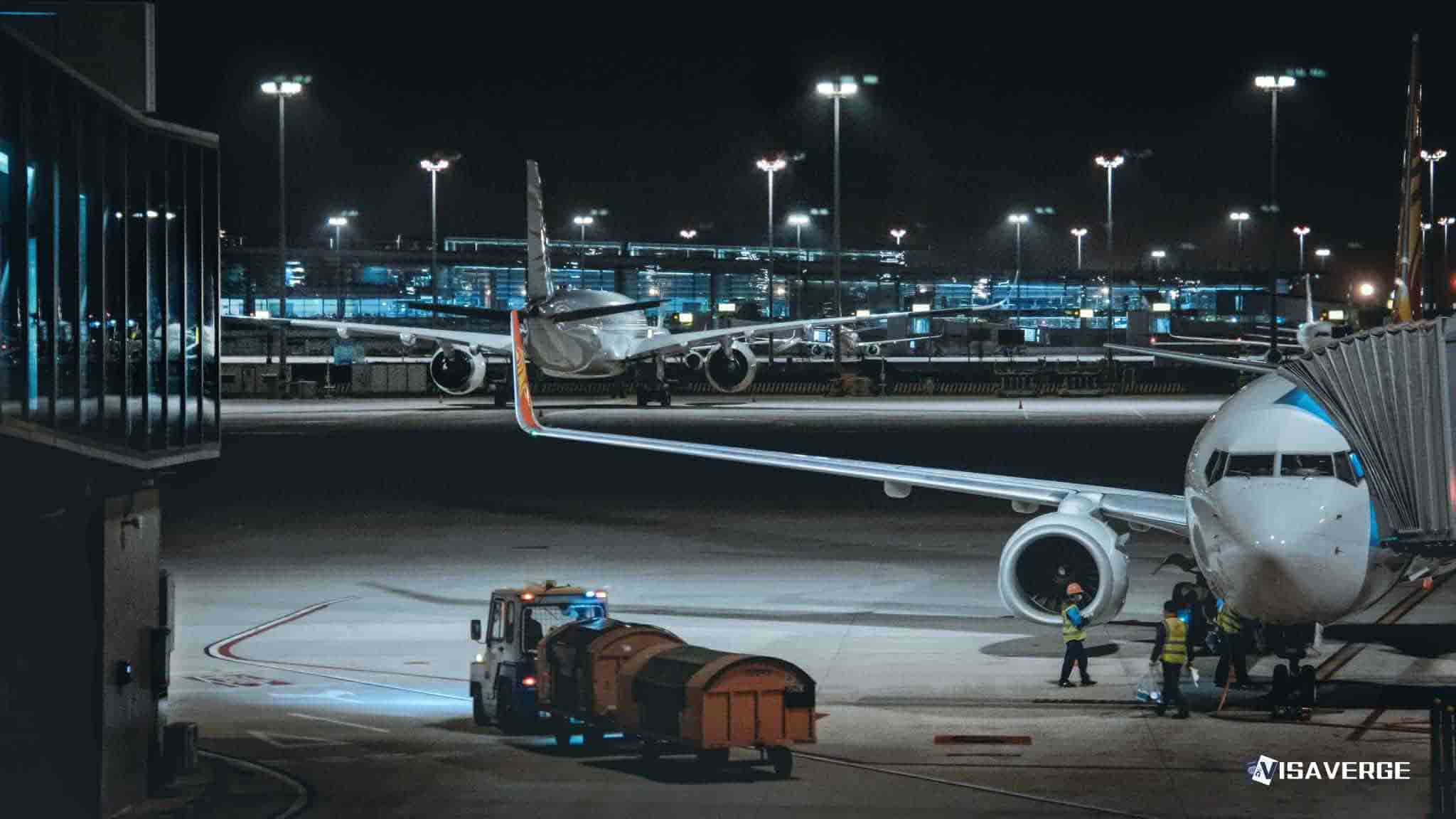
Heathrow’s near-total standstill on March 21 emptied departure boards and stranded crews. Some aircraft diverted to regional airports, but Heathrow’s scale made a quick pivot impossible.
- Only 10 departures out of 609, and just 1,425 passengers left of a planned 96,800.
- Rebooking windows stretched into days for long-haul routes.
- Inbound aircraft were out of place, and crews “timed out” under safety rules, further tightening capacity.
The late-July NATS outage produced gridlock of a different sort: reduced flow rather than a hard stop, but long queues and high disruption rates—22% to 43% in the UK over two days, and 64% of Gatwick departures disrupted on July 31—left holidaymakers, business travellers, and parents with urgent concerns about visas and school terms.
Rights, refunds, and next steps (summary)
- Under UK 261/EU 261:
- Compensation possible for delays over three hours, cancellations inside 14 days, or denied boarding—unless extraordinary circumstances apply.
- Ask airlines for care: meals, phone access, and hotels when stranded overnight.
- Keep receipts; you may be reimbursed if airlines fail to provide care.
- For U.S.-marketed tickets, automatic refunds are required under DOT rules; if you do not receive a refund, file a complaint via U.S. Department of Transportation.
Industry fixes will take time. For now, the pattern is clear: more storms, more strains on tight systems, and more unexpected shutdowns. The Heathrow closure and the NATS outage illustrate how quickly travel plans can unravel. Travellers who plan ahead—checking ID, choosing resilient itineraries, and knowing their rights—stand the best chance of keeping trips on track when disruptions hit.
This Article in a Nutshell
H1 2025 brought large-scale aviation disruption: AirHelp recorded about 490.3 million affected passengers worldwide. The March 21 North Hyde substation fire nearly shut Heathrow, grounding nearly all departures and causing 100% cancellations on several transatlantic routes. A NATS technical failure on July 30–31 further amplified disruption across major UK airports, doubling disruption share over two days and affecting hundreds of thousands. Europe experienced 80.4 million disrupted travellers, with Portugal and Greece among the hardest hit. While UK 261/EU 261 provide compensation rights, infrastructure failures and ATC outages often qualify as extraordinary circumstances, limiting payouts though airlines must provide care. U.S. DOT rules now require automatic refunds for cancellations and major changes, and REAL ID enforcement tightened in May 2025. Industry responses focus on modernizing air traffic systems, reinforcing backups and improving staffing, but solutions will take time. Travellers should book nonstop or early flights, avoid tight connections, keep documentation and act quickly on rebooking and claims.