Spain General Strike on November 11 Expected to Disrupt Travel, U.S. Embassy Warns
The 24-hour nationwide stoppage is expected to affect flights, trains and public transport, while demonstrations and closures could disrupt other plans.
At a glance
- Iberia says some flights may be affected and says it is offering passengers alternatives.
- The Madrid–Seville high-speed line remains closed after the October 28 collision.
- Valencia has planned demonstrations; their impact on individual routes is not specified.
Reviewed November 9, 2026
Spain’s general strike is scheduled for Wednesday, November 11, 2026, and could disrupt flights, rail services and local transport. Travelers flying to, from or within the country, including passengers with connections, should expect possible delays and service changes.
The stoppage is called for 24 hours, from 00:00 to 24:00 on Wednesday, November 11, 2026, and covers public and private workplaces. A warning described as a U.S. Embassy alert says transport will be limited to minimum services and demonstrations could cause closures or cancellations. The official election campaign starts Friday, November 13, two days after the strike, ahead of the November 29 general election. The unions say what comes after the strike will depend on how the parties respond on housing and pay, and tenants’ groups have suggested a coordinated rent strike as a possible next step.
That does not mean every train or flight will be canceled. Minimum-service requirements do not confirm whether a particular departure will operate.
CCOO and UGT are among the unions calling the nationwide stoppage
CCOO and UGT are among the unions behind the call, alongside other labor organizations and social groups. Not every representative union supports it. The call covers public and private sectors, including transport and hospitality workers. It is the first general strike in Spain since November 14, 2012, during Mariano Rajoy’s government, and the first statewide general strike jointly backed by CCOO and UGT since 2012.
The unions’ demands center on housing, wages and purchasing power, alongside working conditions. Shift-based workplaces may extend participation beyond the calendar day, depending on when shifts begin and end. The exact effect on a particular workplace or service will depend on participation and applicable minimum services.
Minimum services do not confirm whether your specific trip will run
Flights and rail services are expected to face disruption, with public transport limited to minimum services. For November 11, authorities have guaranteed that 57% of international flights, 32% of domestic services and 78% of routes to Spanish islands will operate at Madrid’s Barajas Airport; at Barcelona’s El Prat Airport, the figures are 56% of international flights, 34% of domestic flights and 79% of island services. Renfe must run at least 73% of its high-speed AVE and long-distance trains, while Ouigo plans to operate 18 of its scheduled 26 services. These minimum-service requirements are not a guarantee that a particular service will run as scheduled. Check with the carrier operating your booking.
Iberia has warned passengers that “some of our flights may be affected.” The airline says it is offering alternatives so customers can reorganise their trip, but its statement does not specify which option applies to each traveler. A strike call alone does not establish whether your booking qualifies for a refund or other remedy; ask the airline or rail operator about your ticket.
Rail passengers should also watch for disruption around the stoppage from separate train-drivers’ action affecting Renfe services: SEMAF has called a 24-hour strike on November 10 and three partial stoppages on November 12. At least 72% of AVE and long-distance trains are guaranteed to operate on November 10 and 12. Do not confuse either action with the continuing closure of the Madrid–Seville high-speed line. That route remains closed after the October 28 collision, independently of the strike.
Check bookings and local plans before setting out
The warning says demonstrations may be planned or spontaneous, with a heightened police presence. It cautions that protests could escalate and disrupt nearby movement. Valencia has planned demonstrations, but their existence does not establish that a particular route or service will be affected.
The alert also warns of possible closures beyond transport. It says, “Museums, shops, restaurants, and pharmacies may be closed. Plan in advance for personal needs.” A scheduled appointment, meal or museum visit may need a separate check.
Before leaving, travelers should:
- Check the status of each flight or train directly with the carrier, including connecting journeys.
- Ask the airline or rail operator what rebooking or other options apply to the specific ticket.
- Confirm local transport and any booked appointment, restaurant or attraction.
- Plan ahead for pharmacy access and other personal needs, and allow flexibility around demonstrations.
Minimum services and a strike call describe the expected operating picture, not the status of an individual booking. Confirm the flight or train with its operator and check local arrangements before traveling.
Keep reading
More in Airlines →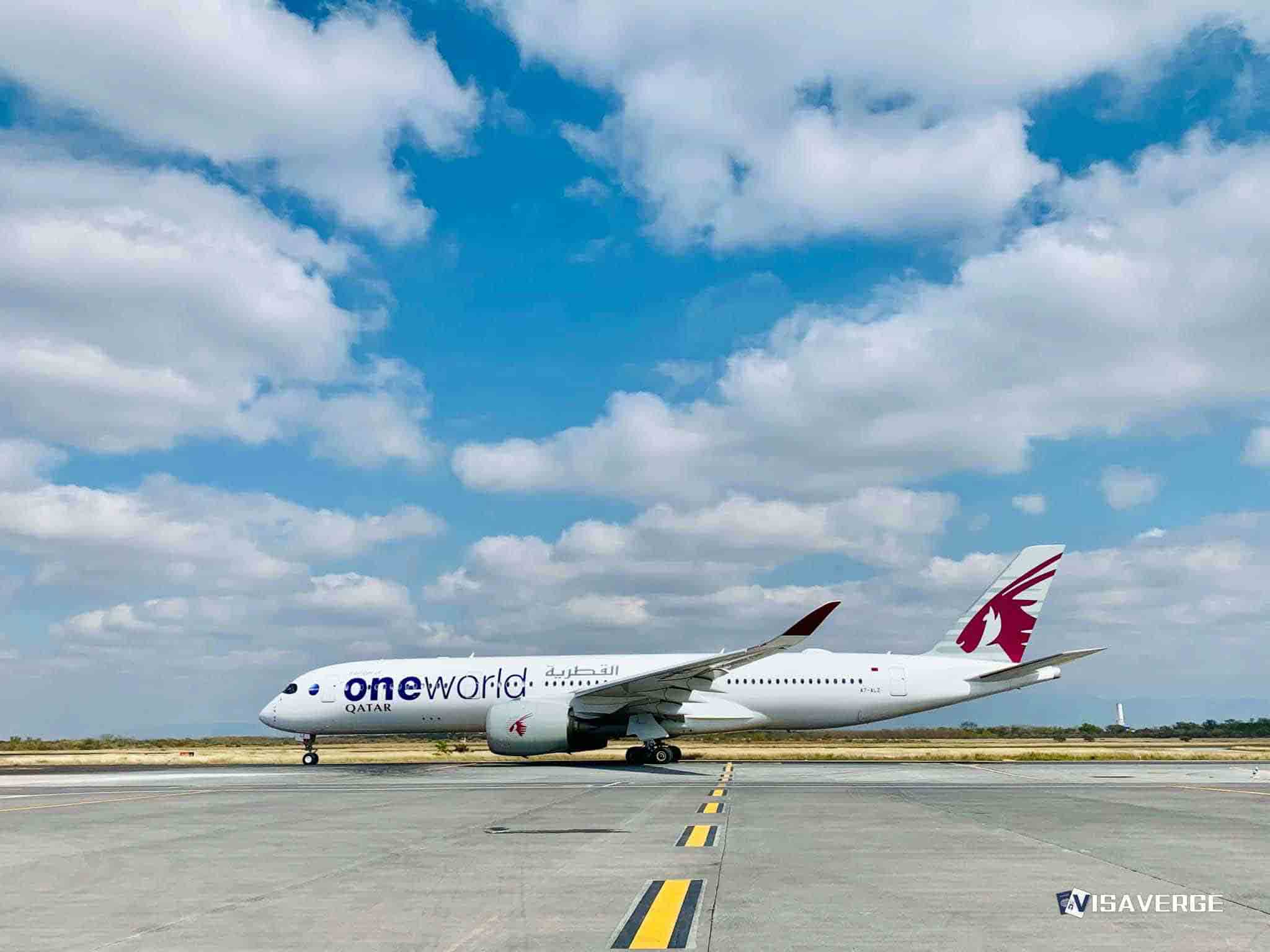

What to do now
- Check each flight or train with its operator, including connecting journeys.
- Ask the carrier which options apply to your booking.
- Confirm local transport, appointments and reservations.
- Plan ahead for pharmacy access and possible demonstrations.