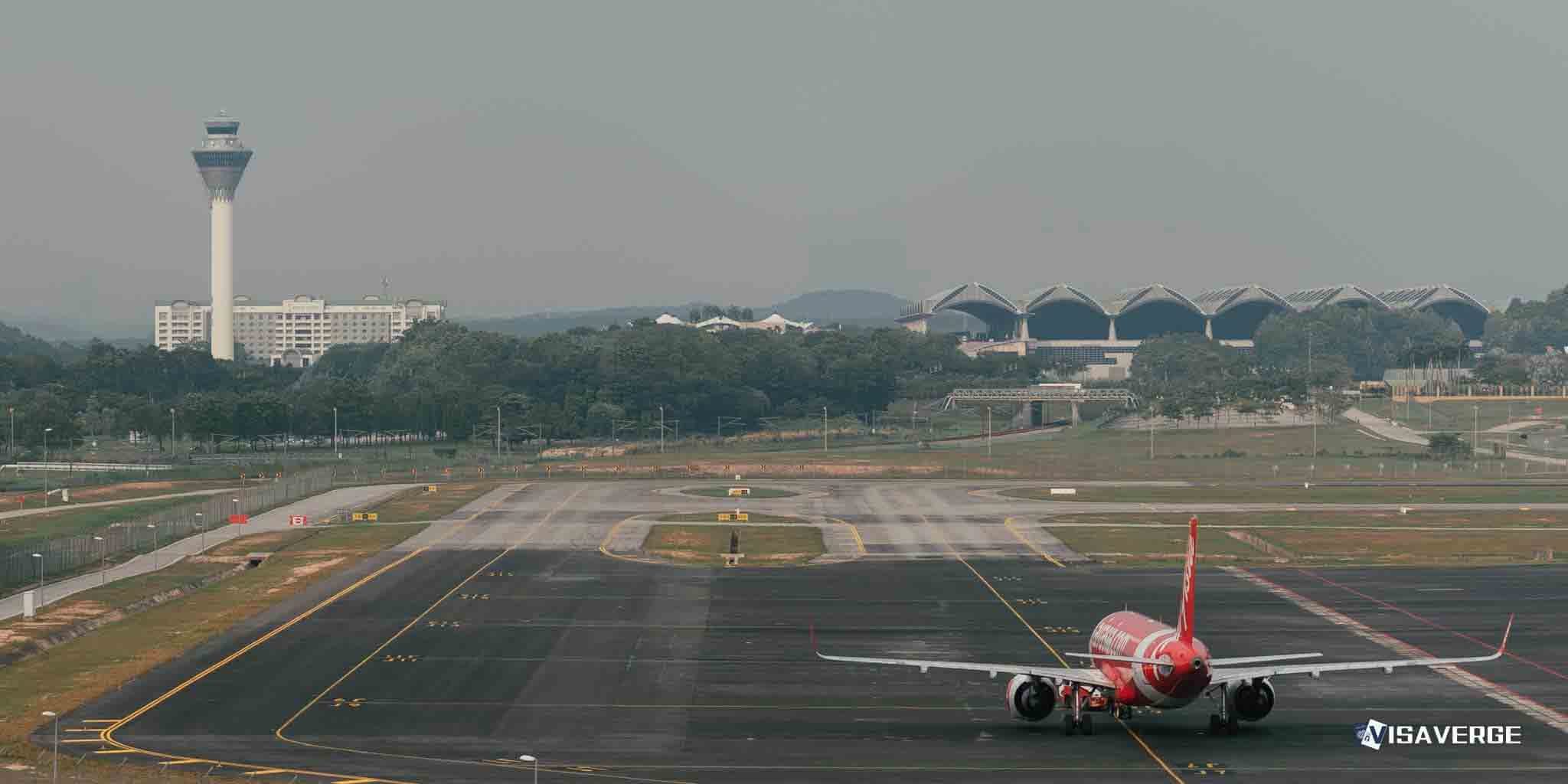
The U.S. Department of Transportation lifted limits on Mexican airlines’ U.S.-bound flights from Mexico City, effective October 16, 2026. Carriers can again seek new routes and added frequencies from Mexico City International Airport and Felipe Ángeles International Airport.
The agency revoked DOT Order 213-2, which had blocked Mexican airlines from launching or expanding U.S. service from either airport. The move restores the ability to apply, not permission to begin flying: airlines still need permits and airport slots.
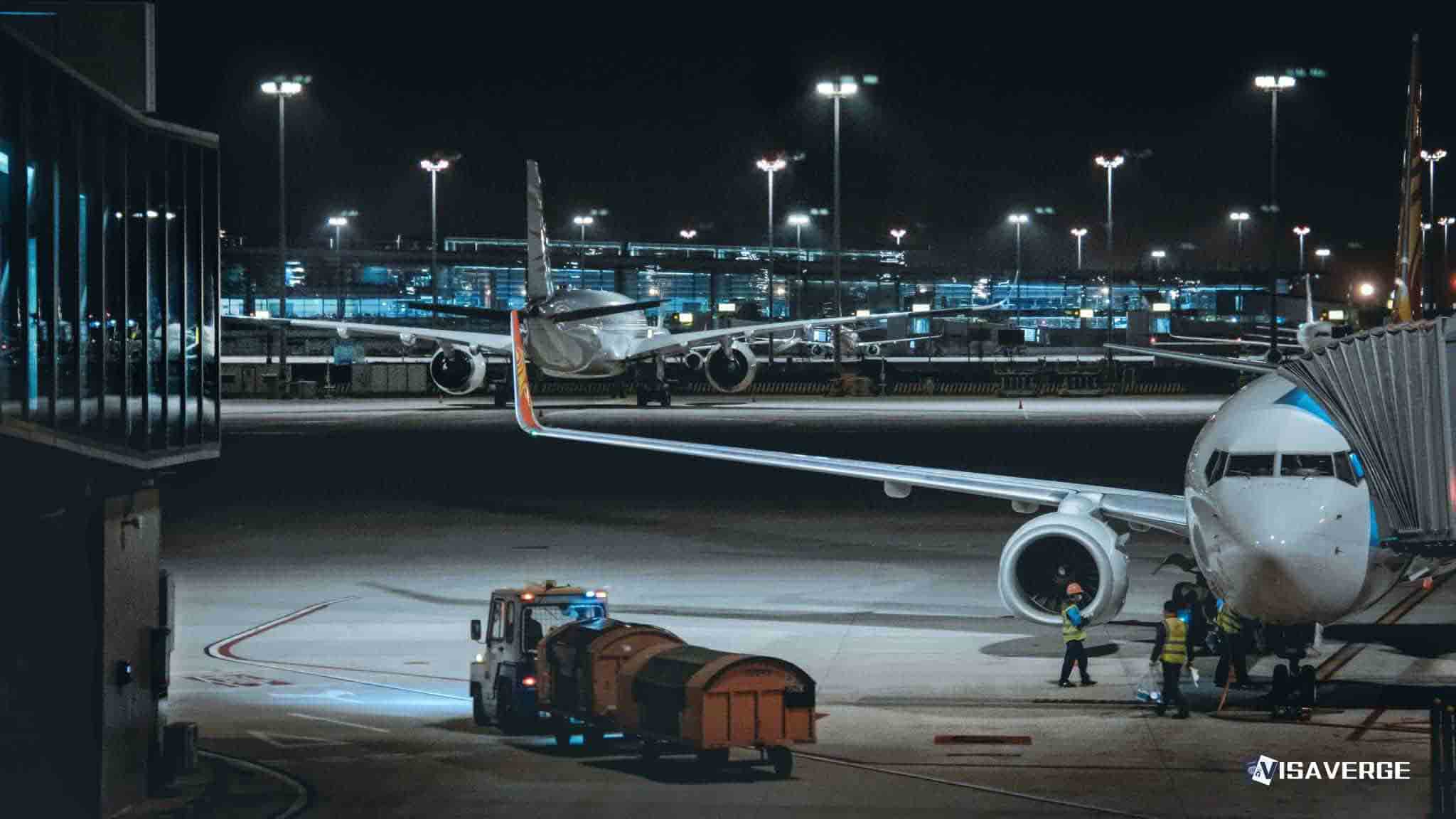
Mexico’s transport ministry said 10 to 12 new routes could launch in an initial phase, mostly from Felipe Ángeles, where operating capacity is available. That is a projection, not a list of confirmed flights.
The reversal followed a negotiated package that also addressed access for U.S. passenger and cargo carriers. Mexican officials said the agreement opens a new phase in bilateral aviation relations.
Mexico restored U.S. access as it eased passenger-slot and cargo limits
Under a May 2026 Memorandum of Consultations, Mexico agreed to make more passenger slots available at Benito Juárez for American Airlines, Delta Air Lines and United Airlines. It also agreed to amend the February 2023 cargo decree so U.S. freighters can apply for landing and takeoff slots during periods when the airport is not congested.
Mexico also published guidelines for an independent Schedule Coordinator under the Federal Aviation Agency, known as AFAC. The coordinator is to work autonomously from airport committees and commercial interests, applying transparent allocation rules at Level 3 saturated airports and Level 2 near-capacity facilities.
Mexico largely yielded to U.S. demands on passenger-slot restitution and the freighter ban while facing the prospect of another downgrade in its aviation safety rating to Category 2. The Mexican government called the reversal “a significant advance for air connectivity between the two countries and opens again the possibility of developing routes and frequencies” from the two airports.
Mexico’s National Chamber of Air Transport described the agreement as “a significant step to offer certainty to the industry and advance actions that help the development of passenger and cargo services.”
Mexican airlines are weighing routes, but applications must come first
Aeroméxico Chief Financial Officer Ricardo Sanchez said on October 19 that the airline was reviewing ways to add U.S. capacity. “It is definitely something that we are looking at,” he said. The carrier has aircraft available, including some acquired through leases negotiated during its Chapter 11 restructuring at rates below current market levels. Sanchez said using more of those aircraft could improve profitability.
Chief Executive Andres Conesa told reporters on October 20 at the Latin American & Caribbean Air Transport Association conference in Mexico City that Aeroméxico could unveil an initial set of U.S. routes as soon as the following week. The airline is weighing destinations but has held off naming them until it secures permits and slots.
Conesa said a first group could launch early next year, with another potentially arriving around mid-2027. San Juan, Puerto Rico, is among the routes that could return, likely in the second half of 2027 because of the cruise season. He also said the airline expects to resume Caracas flights in the first quarter of 2027, later than previously planned after deadly twin earthquakes earlier this year snarled flight plans. Airlines had raised fares to reflect higher jet fuel prices, he said.
Volaris said the decision would help it advance connections between Mexico City and U.S. destinations. It called the change “a very significant step toward continuing to strengthen connectivity in the continent's largest cross-border air market.” Viva Aerobus said it would evaluate possible routes.
The 2025 order had blocked 11 proposed routes and two existing services
The order, issued by Transportation Secretary Sean Duffy on October 28, 2025, revoked approval for proposed services and stopped Mexican carriers from adding U.S. routes or increasing frequencies. Viva Aerobus had the most proposed routes affected.
| Carrier | Route or service blocked |
|---|---|
| Aeroméxico | Planned MEX–San Juan Luis Muñoz Marín International Airport (SJU), due to begin October 29, 2025; existing NLU–Houston George Bush Intercontinental (IAH) and McAllen International (MFE) flights |
| Volaris | Planned MEX–Newark Liberty International (EWR) route |
| Viva Aerobus | Planned NLU service to Austin (AUS), Chicago O'Hare (ORD), Dallas/Fort Worth (DFW), Denver (DEN), Houston (IAH), Los Angeles (LAX), Miami (MIA), New York JFK (JFK) and Orlando (MCO) |
The dispute grew from airport capacity cuts and a cargo relocation order
In August 2022, airport authorities reduced hourly runway capacity at Benito Juárez from 61 to 52 operations, saying the change would ease terminal congestion and improve safety. The cuts affected U.S. and Mexican carriers, including American, Delta, United, Aeroméxico, Viva Aerobus and Volaris.
A presidential decree published in February 2023 closed Benito Juárez to dedicated cargo operators. FedEx and UPS moved cargo operations to Felipe Ángeles, which opened in March 2022. The airport, a former military base converted for commercial use, lies about 30 miles (48 km) from Mexico City. Washington argued Mexican passenger airlines kept an advantage because they could carry cargo in their aircraft holds.
Duffy said the restrictions responded to Mexico “illegally canceling and freezing U.S. carrier flights for three years.”
Cargo plans remain limited as a separate safety review approaches
Mexican cargo airlines have not announced plans for new U.S.-bound flights. Robert Van De Weg, CEO of Mexican cargo carrier mas, called the change “a positive signal that things are opening up,” but said he did not expect an immediate surge. The airline has no immediate plans to expand beyond Los Angeles and will consider another U.S. gateway around mid-2027.
AFAC is processing an International Aviation Safety Assessment audit conducted by the Federal Aviation Administration in August 2026. It found 21 technical and administrative observations across 339 evaluated standard items. A follow-up review is scheduled for December 2026, with a final decision on Mexico’s Category 1 status expected in February 2027. Transport Minister Jesus Antonio Esteva announced an increase in AFAC’s budget and 100 new staff.
U.S. passenger and cargo airlines have not announced plans to resume service at either airport. Benito Juárez handles roughly 44 million passengers a year; Felipe Ángeles recorded seven million travelers in the last year. Mexico’s antitrust authority is expected to decide before the end of 2026 on the planned Volaris and Viva Aerobus merger, which could increase pressure on Aeroméxico.