- Two separate aircraft suffered tire failures at O’Hare International Airport on Monday, August 17, 2026.
- The FAA and Chicago Department of Aviation launched a formal investigation into multiple recent incidents.
- Airport operations face a summer flight cap of 2,708 daily operations due to ongoing construction.
American Airlines Flight 386 and United Airlines Flight 739 suffered tire failures hours apart at O’Hare on Monday, August 17, 2026, prompting investigations by the Chicago Department of Aviation and the FAA. No injuries were reported.
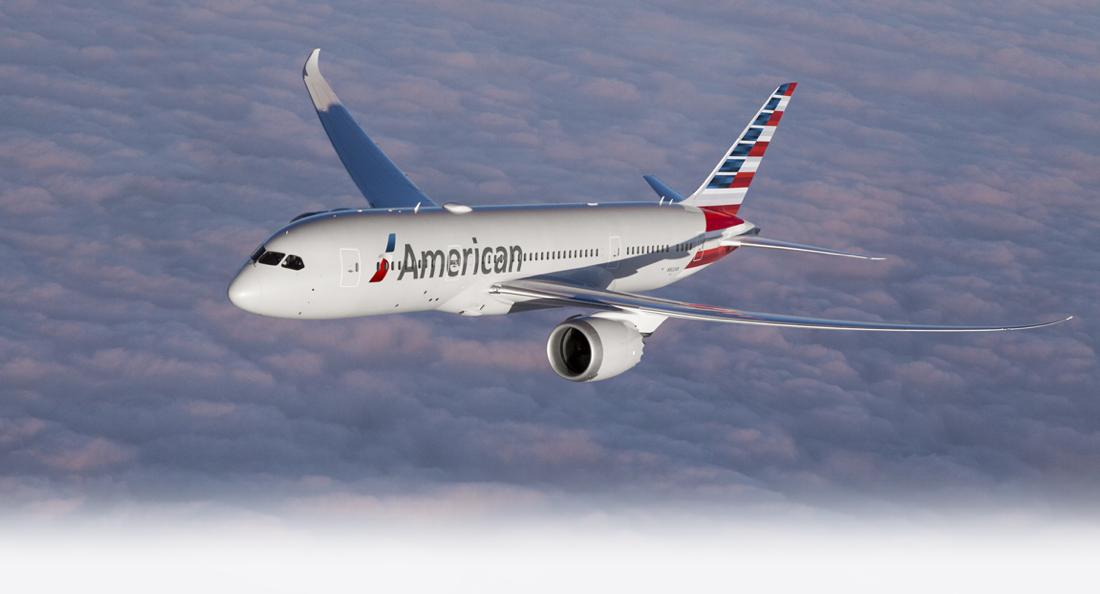
The American Boeing 737-800 arrived from New York’s LaGuardia Airport and landed at about 2 p.m. The aircraft blew two tires on landing.
Free toolB1/B2 Tourist Visa Stay Calculator online
Passengers left using portable stairs. Buses carried them to the terminal, and the plane went out of service for inspection.
Several hours later, United Flight 739 arrived from Omaha, Nebraska. The Airbus A320 suffered a burst tire while exiting the runway, and passengers again used stairs before boarding buses.
The incidents added to at least four tire-related events in the Chicago area during August. Three occurred at the airport, while one involved Midway Airport.
Jamie L. Rhee, commissioner of the aviation department, said the failures were unusual and that officials were working with federal investigators and airline partners.
“It’s rare, but what we’re doing right now is we’re working with the FAA and also our airline partners to really investigate why this is happening,”
Rhee added: “Safety is our priority at both of our airports.” The department said the events caused no significant impact on airport operations.
Tony Molinaro, an FAA spokesperson, said the agency would examine the incidents.
“The Federal Aviation Administration will investigate,” Molinaro said.
Passengers used stairs while both aircraft went for inspection
Neither August 17 aircraft used emergency slides. Portable airstairs provided the exit route, followed by bus rides to the terminal.
American said first responders met Flight 386 as a precaution. The carrier said customers reached the terminal safely by bus and that its maintenance team would inspect the aircraft.
United confirmed that Flight 739 passengers deplaned by stairs and rode buses back to the terminal. The airline praised its team’s “professionalism.”
Some passengers described the American landing as routine until heavy braking and intense vibration began. Bill Marcus, a passenger on a separate delayed United flight, said travelers in some cases remained on the airfield for more than an hour before buses arrived.
The two flights generated little disruption beyond the aircraft inspections and passenger transfers. Reported delays were mostly under 15 minutes.
Investigators are examining runway conditions and possible debris
Officials are looking for conditions shared by the separate events. Their review includes runway conditions, foreign-object debris, hot brakes and maintenance cycles that might affect aircraft from both carriers.
The August 17 failures occurred on different runways, an aviation commentator said. Runway 22 Right and other primary strips remain under increased scrutiny for possible debris.
Air traffic control audio from an earlier incident captured a warning to United pilots: “Looks like there’s some rubber on the road.”
That earlier event occurred on August 13. United Airlines Flight 455, a Boeing 737-900 bound for Phoenix, aborted its takeoff after a tire blew at high speed.
A separate report on that incident said 167 people were forced onto the runway. The aircraft’s tire failure preceded the later arrival-related events by several days.
Both American and United have increased landing-gear inspections across their O’Hare-based fleets. The affected planes were removed from service while maintenance teams assessed them.
Construction has tightened the airport’s operating limits
The investigations are unfolding during runway construction and a period of tighter operating controls. The aviation department has taken extra steps during the construction work to reduce airfield mishaps.
The FAA imposed a summer flight cap from May 17 to October 24, 2026. The restriction limits the airport to 2,708 daily operations, below the planned 3,080, because of “construction and airfield constraints.”
The operating cap and the tire failures are separate issues in the material reviewed by officials. Investigators are instead examining whether environmental conditions, debris, braking or maintenance practices could connect the incidents.
At least one other Chicago airport also recorded a tire event this month. Southwest Airlines Flight 1243 suffered a nose-gear tire failure at Midway Airport on August 3.
The incidents involved two airlines and three aircraft types
| Flight | Aircraft | Route | Event | Response |
|---|---|---|---|---|
| American Airlines Flight 386 | Boeing 737-800 | New York’s LaGuardia Airport to Chicago | Two tires blew during landing at about 2 p.m. on August 17 | Passengers used portable stairs and buses; aircraft taken out of service |
| United Airlines Flight 739 | Airbus A320 | Omaha, Nebraska, to Chicago | Tire burst while exiting the runway on August 17 | Passengers used stairs and buses; aircraft inspected |
| United Airlines Flight 455 | Boeing 737-900 | Chicago to Phoenix | Takeoff aborted after a tire blew at high speed on August 13 | 167 people were forced onto the runway |
The different aircraft and runways have widened the scope of the review. Officials are checking for a common airport factor as well as airline-specific maintenance issues.
As of August 18, 2026, the airport remained under increased scrutiny for potential debris on Runway 22 Right and other primary strips. American and United were continuing additional landing-gear checks, while the operating restrictions were scheduled to remain in place through October 24, 2026.