- Ana Kikabidze accepted deportation to Georgia to end her children’s fifty-eight-day detention in Texas.
- A federal judge warned of appointing an independent monitor due to children being held beyond twenty-day limits.
- Over sixty-six thousand parents and children have been deported since the administration’s policy shift in twenty twenty-five.
Ana Kikabidze stopped fighting her deportation order after an immigration judge warned that an appeal could keep her children detained for months. The decision ended a green card case that she believed could have kept the family in the United States.
Kikabidze and her children, Lizi, 11, and Nikoloz, 14, spent 58 days at the Dilley Immigration Processing Center in Texas after immigration authorities arrested them at an airport. They were ordered deported to Georgia during a video hearing.
Free toolCSPA Age-Out Calculator Online
Immigration Judge Saul Greenstein also issued 10-year reentry bars. The family left detention after Kikabidze chose not to appeal.
The children’s release came at a price. “It felt as though the decision to deny us had already been made in advance,” Kikabidze said.
The family’s case illustrates how detention can turn an appeal into a choice between pursuing relief and keeping children confined. Parents who might continue residency or asylum-style claims instead accept removal when the alternative appears to be prolonged detention.
Greenstein told the family that “appealing his decision could take months.” Kikabidze understood that the appeal could mean months more for her children inside what families have called immigrant jail.
The case emerged as the administration expanded a “detain and deport” approach, replacing the earlier practice of releasing many families with court dates. Immigration authorities have also expanded facilities, including by converting old prisons and warehouses for detention use.
Children remain confined beyond the Flores limit
More than half of the children held at Dilley in July 2026 had remained there longer than the 20-day limit associated with the Flores Settlement. Federal hearing transcripts described minors held for 50, 91, and 323 days.
The numbers have drawn scrutiny from U.S. District Judge Dolly Gee in Los Angeles, who oversees litigation involving child detention standards. During a June 2026 hearing, Gee said she was “displeased with the prolonged detention of kids at Dilley.”
She warned administration attorneys that she could appoint an independent monitor, or watchdog, to make unannounced visits to detention cells. Such a step would be an extraordinary intervention, previously used after multiple child deaths in custody during the first Trump administration.
Leecia Welch, chief legal counsel at Children’s Rights, described the lack of a predictable release schedule at the facility.
“When families get to Dilley, there is no timeline,” Welch said. “The most gut-wrenching” medical cases she had seen involved detained infants.
The Flores framework limits the length and conditions of child detention. The Kikabidze family’s experience shows how a formal limit can coexist with pressure to abandon a case when release depends on accepting deportation.
Detention has expanded across the immigration system
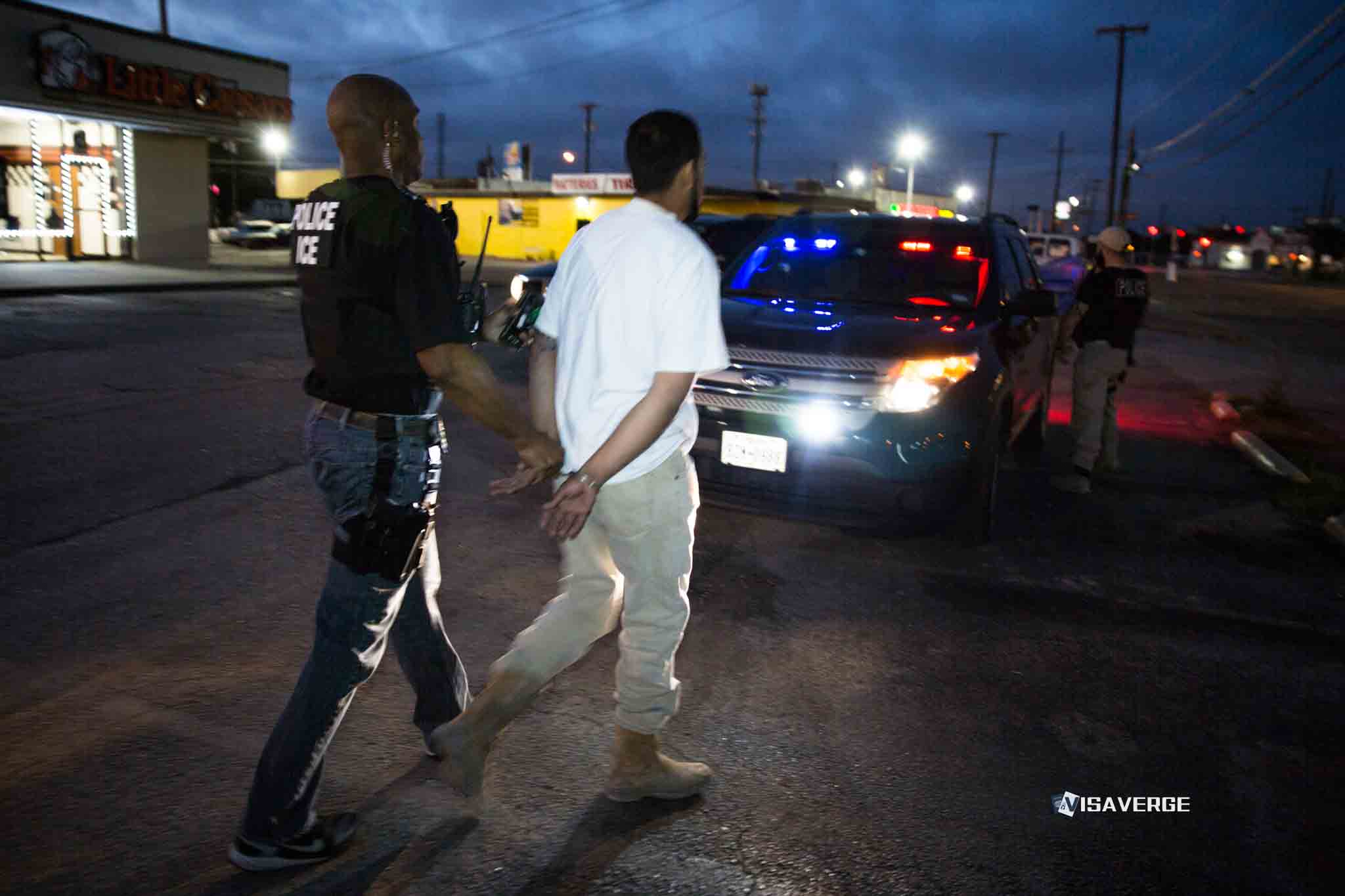
Approximately 70,000 people were held in Immigration and Customs Enforcement detention at any given time in August 2026. An analysis cited in the reporting found that more than 66,000 parents and children had been detained and deported since President Donald Trump took office last year.
The figures describe both the scale of custody and the administration’s broader enforcement strategy. Families are no longer simply waiting for court dates outside detention in many cases. They are litigating from inside facilities while trying to protect their children from extended confinement.
Department of Homeland Security data showed that ICE detained more than 27,800 Indian nationals between 2022 and 2025. The enforcement campaign has also swept up people with established ties to the United States.
Pritesh Walia, a jazz guitarist, was among the Indian-origin individuals highlighted in the reporting. Venkata Vasamsetty, a grandmother and lawful permanent resident, was another.
The cases complicate the assumption that detention primarily affects people without legal claims or longstanding residence. A person’s immigration status, pending application, or family ties may not prevent arrest while the government pursues removal.
Elora Mukherjee, director of the Immigrants’ Rights Clinic at Columbia Law School, said the Kikabidzes would not have faced the same risk under the earlier enforcement approach.
“Before January 2025, this family [the Kikabidzes] would never have been arrested,” Mukherjee said.
Watchdogs and court orders are under pressure
The administration recently announced the closure of the Office of the Immigration Detention Ombudsman, an independent watchdog created by Congress to investigate misconduct. Officials cited “funding lapses.”
The closure came as judges and advocates pressed for greater oversight of family detention. Gee’s proposed monitor would have access to detention cells without advance notice, allowing inspections beyond scheduled government presentations.
A federal judge in the Southern District of New York also barred ICE from detaining people at New York City immigration courts, including 26 Federal Plaza. Advocates said arrests continued despite the order.
Those developments have created competing pressures. Courts are demanding limits or monitoring, while the detention system is expanding and families remain responsible for deciding whether to continue their cases from custody.
The reported deaths have added urgency to the oversight fight. ICE custody recorded more than 30 deaths in 2025, described as the deadliest year in more than two decades. At least 18 deaths were reported during the first four months of 2026.
Appeals can carry a direct cost for children
The Kikabidze case shows why a legal remedy can become practically unusable for a detained parent. An appeal may preserve a claim, but it can also extend the time children spend in custody when the government links release to accepting removal.
That pressure does not require a judge to order a parent to abandon a claim. It can arise from the combination of confinement, uncertainty, medical concerns, and the prospect of months more detention.
At Dilley, the longest stays described in federal transcripts reached 323 days. The children’s ages also shape the decision: Lizi was 11, while Nikoloz was 14 when the family spent 58 days there.
Kikabidze ultimately accepted deportation to Georgia rather than continue the appeal. Her decision freed the children but ended the family’s challenge to removal.
The legal issues can vary by immigration status, procedural posture, and jurisdiction. Parents facing a removal order, detention, or a possible appeal should obtain advice from a qualified immigration attorney before making a decision that could affect future admission or relief.
Judge Gee’s threatened intervention and the New York court order leave detention practices under active judicial scrutiny. The family detention question will continue to turn on whether courts can enforce release protections before parents decide that surrendering their cases is the only way to free their children.
This article provides general information and is not legal advice. Consult a qualified immigration attorney about your specific case.