- A Ryanair flight burst all four tyres at Milan Bergamo due to incorrect cockpit actions during landing.
- The aircraft’s anti-skid system remained disabled for four flights prior to the serious October 2024 incident.
- Investigators issued three safety recommendations to Boeing regarding landing procedures and training for inoperative braking systems.
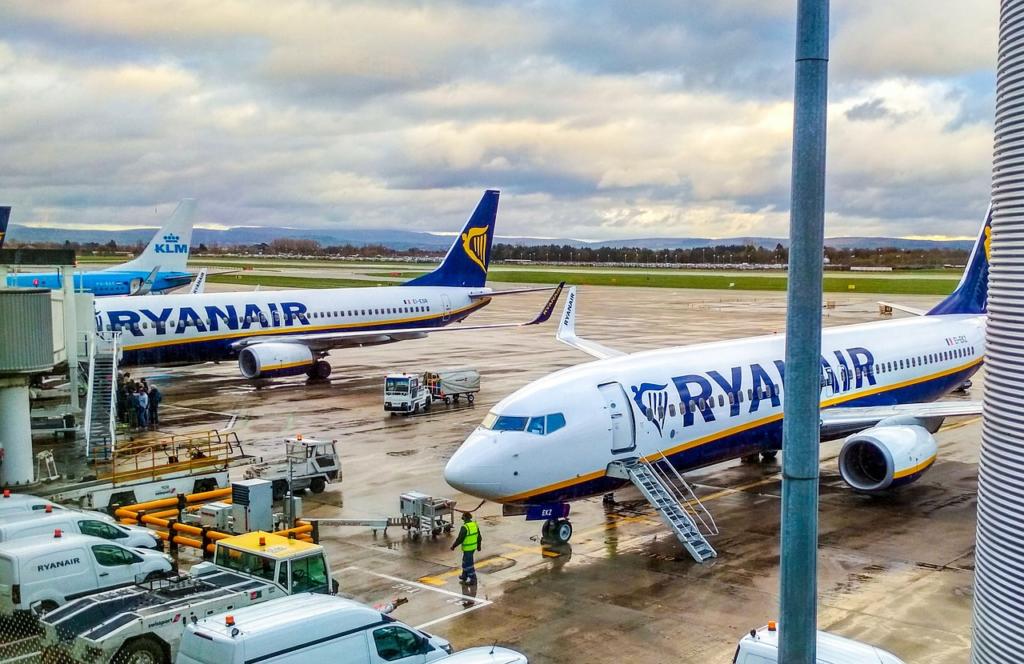
Ryanair’s Boeing 737-8200 MAX burst all four main-gear tyres on touchdown at Milan Bergamo Airport on October 1, 2024, after its anti-skid braking system remained disabled because of a persistent fault. Italy’s flight safety agency said the crew then applied the landing actions in the wrong sequence.
The aircraft, registered EI-IGI, was operating flight FR846 from Barcelona at approximately 07:55 AM local time. It carried 162 passengers and six crew members. Everyone on board escaped injury.
Free toolB1/B2 Tourist Visa Stay Calculator online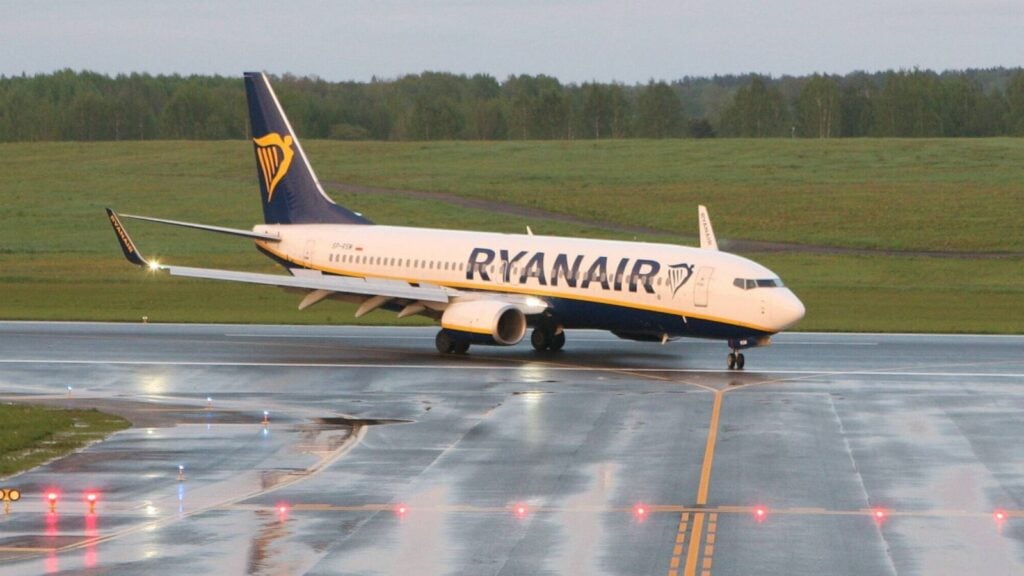
Passengers disembarked while the aircraft remained on the runway. The landing damaged the wheels and braking system, while the metal rims carved a scratch approximately 450 meters, nearly 500 yards, long and 1 cm deep into the pavement.
The airport suspended operations for over 11 hours. Flights resumed after urgent resurfacing at approximately 19:30 or 20:00 local time.
The Italian National Flight Safety Agency, ANSV, released its 77-page final report on July 28, 2026. Investigators classified the event as a serious incident and identified failures involving the aircraft’s system status, cockpit actions, training and operating documentation.
“The serious incident was caused by the main landing gear (MLG) wheels locking, due to an incorrect sequence of actions unintentionally applied by the flight crew during landing, occurred with antiskid inoperative.”
The agency issued three safety recommendations to Boeing concerning operations with the anti-skid system disabled. Investigators also found inconsistent Boeing wording about whether an operative anti-skid channel “must not” or “should not” be deactivated.
A warning light remained unresolved before the landing
The anti-skid system had been deactivated the previous day after a warning light repeatedly illuminated during flights out of Barcelona. Maintenance checks did not identify a specific fault, and the aircraft was released for further flying with the system still inoperative.
Further checks after four eventful flights identified a faulty sensor linked to one of the two anti-skid channels. The report connected that unresolved system problem to the conditions under which the crew conducted the landing.
Ryanair later reduced the maximum repair window for fault rectification from 10 days to one flight. The airline also made it mandatory for crews to contact their duty pilot before operating with an inoperative anti-skid system.
That operational briefing must cover procedures, restrictions and threats associated with the aircraft’s condition. The change altered both the time allowed for repair and the information crews receive before such a flight.
Braking before the speedbrakes locked the wheels
Investigators said the crew applied the brakes before deploying the speedbrakes and before the “Weight on Wheels” signal had been established. That sequence caused the main landing gear wheels to lock immediately.
The locked wheels burst all four tyres. The wheels, landing gear and braking components sustained significant damage, and the runway needed resurfacing before operations could resume.
The investigation cited a lack of Flight Simulation Training Device training for landing with an inoperative anti-skid system. Crews had not received that specific preparation in a simulator.
Investigators also found “less than adequate evidence” in the aircraft manuals about the clear and timely sequence required for the landing. The report therefore linked the outcome to cockpit execution as well as gaps in training and documentation.
Runway damage disrupted flights across the airport
Five emergency vehicles from the airport and two from the Bergamo fire department headquarters responded after the aircraft stopped. The response secured the scene while crews dealt with the damaged aircraft and pavement.
SACBO, the airport management company, said the aircraft damage did not compromise the landing maneuver or create problems on board. Giovanni Sanga, its president, and Emilio Bellingardi, its managing director, issued statements about the recovery operation.
“The damage did not compromise the landing maneuver and did not cause any issues on board. the reopening of the runway is contingent on the removal of the aircraft and the completion of the pavement restoration work.”
Approximately 12% of departing flights were canceled that day. Many arriving flights diverted to Milan Malpensa or Linate airports while the runway remained unavailable.
The surface damage came from the metal wheel rims after the tyres burst. Its repair required urgent resurfacing, extending the operational disruption well beyond the aircraft’s touchdown.
A passenger recalled the smell of burning rubber
Alice Longhurst, a marketing consultant from London, described the experience inside the cabin.
“You could smell the burning rubber in the plane. That was quite scary. I never experienced anything like this before.”
A Ryanair spokesperson initially described the event as a tyre issue after landing. The spokesperson said passengers disembarked normally and engineers inspected the aircraft.
The final investigation documented a broader failure than a single damaged tyre. All four main-gear tyres burst, the wheel rims marked the runway, and the braking system sustained damage during the landing.
The investigation’s findings also distinguish between the absence of injuries and the seriousness of the event. The aircraft stopped safely enough for everyone aboard to remain unharmed, but the locked wheels caused extensive damage and shut the runway for much of the day.
Boeing guidance and airline procedures face changes
ANSV’s recommendations to Boeing address how crews should operate when anti-skid protection is unavailable. The agency’s findings also point to the need for clearer instructions on the order and timing of landing actions.
The documentation problem involved more than one phrase. Investigators said Boeing material differed on whether an operative anti-skid channel “must not” or “should not” be deactivated, wording that the report treated as inconsistent.
Ryanair’s later measures addressed the aircraft’s continued operation with the fault and the briefing required before departure. The maximum repair window fell from 10 days to one flight, and contact with a duty pilot became mandatory.
The report was published on July 28, 2026, nearly two years after the landing. Its three recommendations now place Boeing’s operating guidance alongside the airline’s revised repair and briefing requirements in the safety response to the Milan incident.