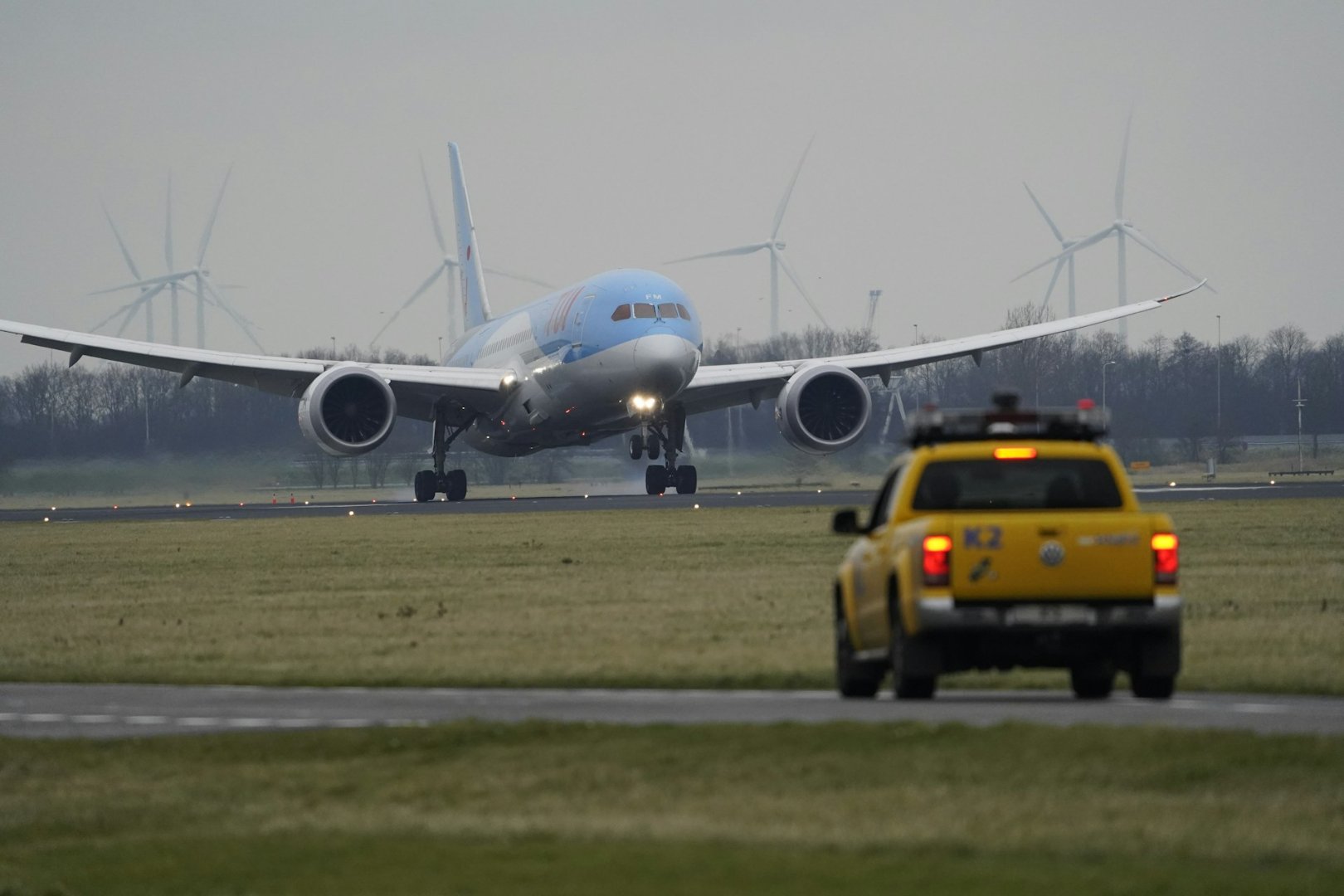
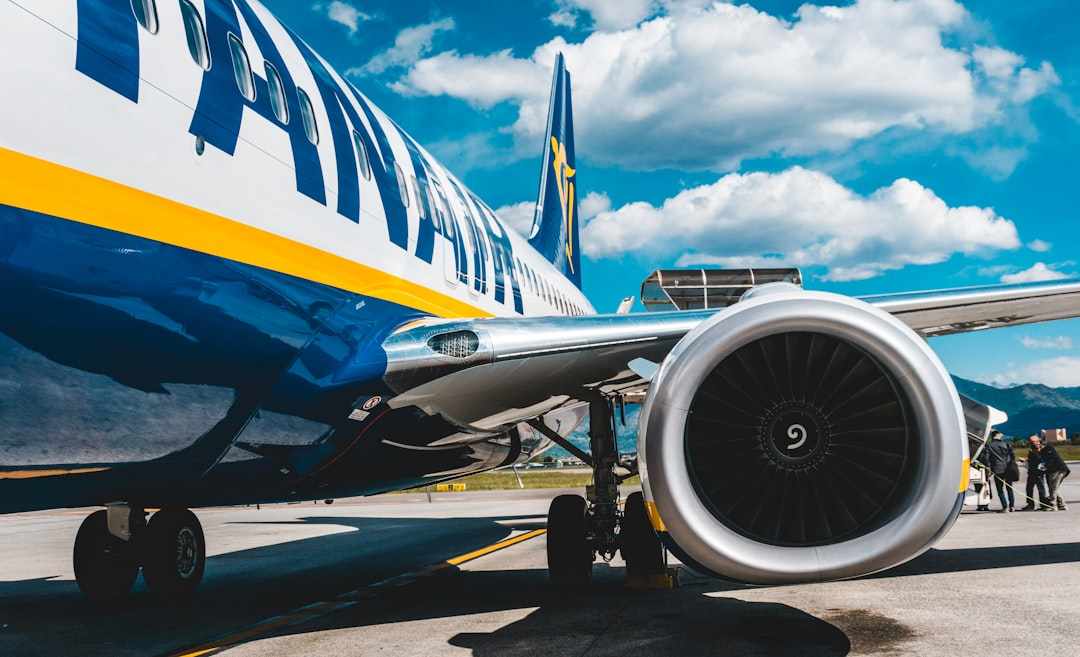
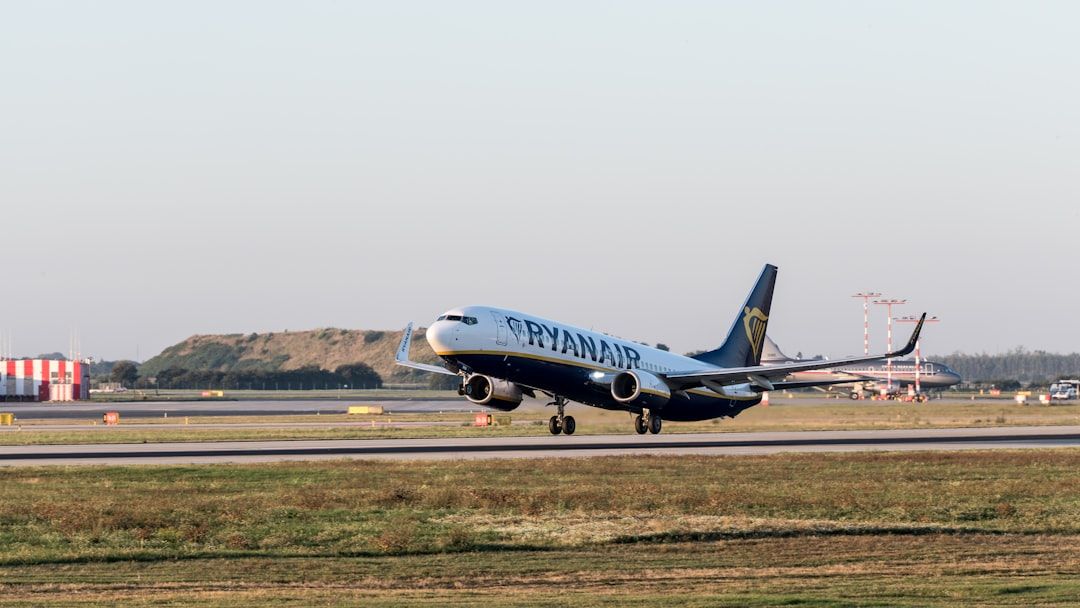
(MANCHESTER, UNITED KINGDOM) Ryanair FR3418 from Pisa to Prestwick declared an emergency and diverted to Manchester on October 3, 2025, landing with only fuel 220 kg remaining—about five to six minutes of flying time—according to the flight log and people familiar with the crew’s report.
The Boeing 737-800, operated by Malta Air for Ryanair, had attempted three approaches in Scotland during Storm Amy before making the Manchester landing under a mayday call. The UK’s Air Accidents Investigation Branch (AAIB) has opened a formal probe into fuel planning, crew decisions, and weather factors that pushed the jet well below the normal reserve fuel required by safety rules.
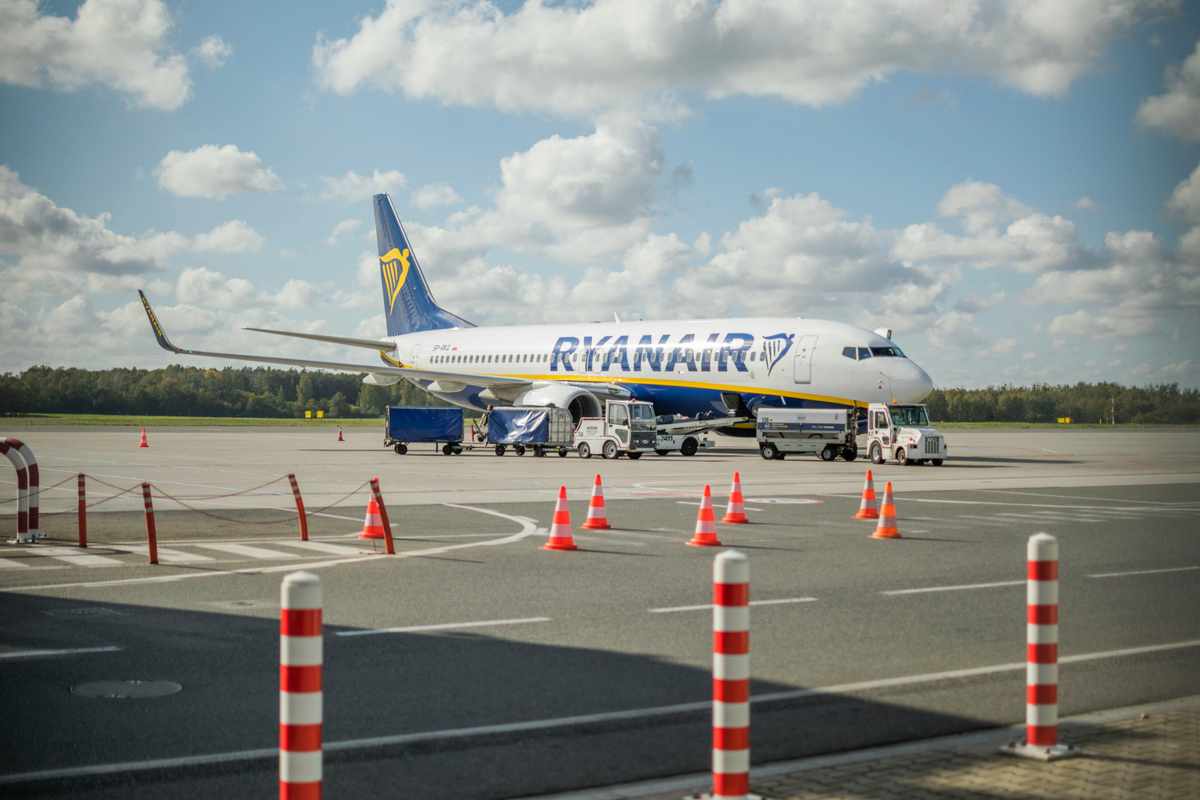
What happened and immediate effects
Ryanair said it voluntarily reported the incident and is cooperating. No injuries were reported. Passengers reached their final destination roughly 10 hours late after ground transport from Manchester.
Free toolB1/B2 Tourist Visa Stay Calculator onlineSevere winds near 100 mph forced widespread delays and diversions across Scotland and northern England that day. Air traffic controllers were spacing aircraft farther apart, and crews faced changing wind shear reports during approaches—conditions that contributed to multiple missed approaches and the fuel situation.
Under European safety rules, airliners must land with enough reserve to fly for at least 30 minutes—about 1,200 kg of fuel for a 737—after reaching their destination and considering a planned alternate. On FR3418, the remaining 220 kg was far below that benchmark, triggering the emergency. The crew squawked 7700 and issued a mayday for “minimum fuel—emergency fuel” status, standard phrases used when reserves fall to unsafe levels.
Focus of the AAIB investigation
The AAIB will examine whether this emergency was unavoidable due to Storm Amy, or whether earlier fuel management and operational decisions should have produced a different outcome. Key areas under review include:
- Flight planning at departure from Pisa, including expected winds, forecast alternates, and contingency fuel.
- Delay at origin caused by strikes and protests, which likely shifted the arrival window into the worst of Storm Amy.
- Crew decision-making after the first and second go‑arounds at Prestwick, and the choice to attempt Edinburgh before turning to Manchester.
- Company fuel policies and captain’s discretion fuel. Aviation analysts note Ryanair’s cost controls are strict, but any policy must fit within safety rules.
- Communications with air traffic control during changing wind conditions, runway availability, and turbulence reports.
- The precise timeline for declaring “minimum fuel” versus “emergency fuel” and the mayday.
“As close to a fatal accident as possible,” said a veteran pilot who reviewed the data—underscoring how quickly options vanish once reserves hit emergency levels. Fuel equals time, and time equals choices; with only a few minutes left, even a short hold or a go‑around can tip a safe diversion into a forced landing or worse.
How the situation developed (operational cascade)
Ryanair FR3418’s path shows a classic cascade seen in weather‑disrupted operations:
- Departure delayed (strikes, protests) → arrival window narrows.
- Storm winds intensify → multiple missed approaches at Prestwick.
- Attempt at Edinburgh → additional fuel burn and distance.
- Turn to Manchester → landing with minimal fuel margin.
Each missed approach burns more fuel than a normal landing. Each diversion or turn adds distance and uncertainty. By the time the Manchester landing began, the crew had little margin left.
Evidence and timing
Officials have not released the cockpit voice or flight data recordings. As of October 11, 2025, no conclusions have been published. The AAIB’s work can take months; any safety recommendations will be made public. Readers can follow official updates via the UK Air Accidents Investigation Branch.
Why this matters for travelers and crews
Extreme weather is becoming more frequent in northern Europe, and airlines face pressure to keep schedules while adhering to strict fuel standards. Impacts include:
- For travelers:
- Missed connections, late arrivals, and unexpected overnight stays.
- The right steps: ask the airline for a plain‑language explanation, keep receipts for ground transport, and retain boarding passes, diversion notices, and airline statements for proof of disruption.
- Travelers with time‑limited visas or work permits should check whether a late arrival affects reporting or start dates. According to analysis by VisaVerge.com, long delays or diversions rarely affect lawful status by themselves, but documentation may be needed.
- For employers and HR:
- Weather diversions may delay new hires’ start dates by a day or more.
- Build flexibility into onboarding and document storm‑related disruption in personnel files.
- For crews:
- Decisions are sharp: stay, go around, or divert—and when? A safe decision five minutes earlier can look very different when fuel gauges are low.
Aviation regulators draw a clear line on reserves because the last minutes of fuel are not a safety net—they are the margin that allows a second attempt, a longer vector to final, or a turn to a runway with better winds. Standard planning includes:
- Destination fuel
- Alternate fuel
- Contingency fuel
- The fixed 30‑minute final reserve
Declaring “minimum fuel” warns controllers that the flight cannot accept delays. Declaring “emergency fuel” and a mayday tells everyone that landing must happen on the next attempt.
Investigation outcome possibilities
Weather was the immediate trigger, not necessarily a single wrong choice. The AAIB’s findings will focus on detail:
- Were forecast updates timely and accurate at dispatch and en route?
- Were alternates planned with sufficient margin?
- Did the sequence of attempts (Prestwick → Edinburgh → Manchester) use time or fuel that could have been better conserved by diverting earlier?
Any lessons will likely be shared across airlines, because storm‑day operations are an industry-wide challenge.
Quick facts (summary)
| Item | Detail |
|---|---|
| Date | October 3, 2025 |
| Route | Pisa → Prestwick (diverted to Manchester) |
| Aircraft | Boeing 737‑800 |
| Landing fuel | about 220 kg |
| Emergency declaration | Squawk 7700, mayday |
| Weather | Storm Amy, winds near 100 mph |
| Injuries | None reported |
| Investigation | AAIB opened formal probe; ongoing |
Until the AAIB report is published, these are the established facts: severe storm conditions forced multiple missed approaches and a diversion, the aircraft landed with a critically low fuel quantity, and investigators will assess whether different fuel planning or earlier diversion decisions could have avoided the emergency.
This Article in a Nutshell
Ryanair flight FR3418 diverted to Manchester on October 3, 2025, after three missed approaches during Storm Amy, landing with only 220 kg of fuel—far below the European 30-minute reserve for a 737-800. The Boeing 737-800, operated by Malta Air, faced winds near 100 mph and changing wind shear reports that led to missed approaches at Prestwick and an attempted diversion to Edinburgh before the Manchester landing. No injuries were reported; passengers arrived about 10 hours late. The UK AAIB has launched a formal investigation into flight planning, crew decisions, company fuel policies, and weather forecasting to determine whether the emergency was unavoidable or preventable.