WestJet flight attendants issued a 72-hour strike notice on July 30, 2026, and WestJet answered with a 72-hour lockout notice the same day. A work stoppage or lockout could begin as early as August 2, 2026, at 12:01 a.m. Mountain Time if the parties do not reach a deal.
- WestJet and CUPE 8125 agreed to an “operational wind-down” plan so flights already in progress can finish, with affected crew to be assisted with hotel stays or travel back to another Canadian city, subject to seat availability.
- Passengers booked on flights scheduled between July 30 and August 4 can make a one-time change or cancel without a fee, according to WestJet.
- WestJet said its WestJet Encore regional service and code-share flights operated by partners such as Delta Air Lines will not be affected by a strike.
- Federal Transport Minister Chrystia Freeland said on July 30, 2026 that talks between WestJet and CUPE were “progressing” as the deadline approached.
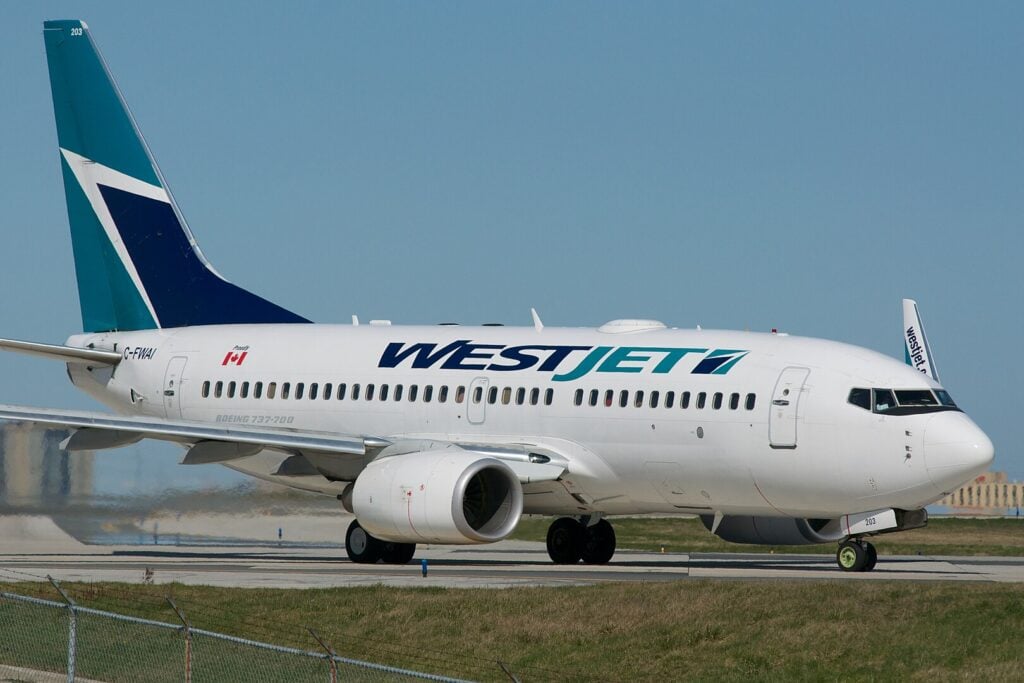
WestJet Airlines Ltd. began parking 737 aircraft on July 31, 2026 as it prepared for a possible labour disruption after talks with CUPE Local 8125 failed to produce a deal. The earliest possible strike deadline is now August 2, 2026 at 12:01 a.m. Mountain Time, with WestJet also issuing a lockout notice and expanding fee-free travel changes for affected passengers.
- CUPE Local 8125 issued 72-hour strike notice on July 30, 2026, and WestJet said it responded with a 72-hour lockout notice the same day.
- WestJet said it “has started the process of parking 737 aircraft” and described the move as part of a difficult effort to keep control of operations and reduce the risk of stranding guests.
- Passengers with travel booked between July 30, 2026 and August 4, 2026 can make a one-time change or cancel with no fee.
- WestJet said WestJet Encore flights operated on a Q400 and codeshare flights operated by partner airlines remain unaffected while the carrier and union continue bargaining over unpaid work and the credit hour pay system.
1 earlier update
WestJet flight attendants issued a 72-hour strike notice on July 30, 2026, and WestJet answered with a 72-hour lockout notice the same day. A work stoppage or lockout could begin as early as August 2, 2026, at 12:01 a.m. Mountain Time if the parties do not reach a deal.
- WestJet and CUPE 8125 agreed to an “operational wind-down” plan so flights already in progress can finish, with affected crew to be assisted with hotel stays or travel back to another Canadian city, subject to seat availability.
- Passengers booked on flights scheduled between July 30 and August 4 can make a one-time change or cancel without a fee, according to WestJet.
- WestJet said its WestJet Encore regional service and code-share flights operated by partners such as Delta Air Lines will not be affected by a strike.
- Federal Transport Minister Chrystia Freeland said on July 30, 2026 that talks between WestJet and CUPE were “progressing” as the deadline approached.
WestJet flight attendants represented by CUPE Local 8125 went on strike on August 2, 2026 after overnight talks collapsed, triggering cancellations of more than 300 flights during a busy summer travel period. The dispute centers on WestJet’s “credit hours” pay system, with CUPE President Alia Hussain saying the airline’s latest offer failed to address unpaid ground work and Minister of Jobs Patty Hajdu expressing disappointment as Ottawa watches for possible intervention.
- About 4,400 WestJet flight attendants are on strike after the union’s 72-hour strike notice expired and talks failed to produce a deal.
- The work stoppage was set to begin at 12:01 a.m. Mountain Time on August 2, 2026, after WestJet also issued a lockout notice and started network-wide cancellations.
- WestJet said on July 31, 2026 that it had begun reducing flying, with 81 cancellations listed for August 1, 2026 as of 10:30 p.m. MT.
- WestJet said the disruptions do not affect WestJet Encore or code-share flights operated by partner airlines such as Delta Air Lines, and said affected travelers would be refunded or reaccommodated as applicable.
2 earlier updates
WestJet Airlines Ltd. began parking 737 aircraft on July 31, 2026 as it prepared for a possible labour disruption after talks with CUPE Local 8125 failed to produce a deal. The earliest possible strike deadline is now August 2, 2026 at 12:01 a.m. Mountain Time, with WestJet also issuing a lockout notice and expanding fee-free travel changes for affected passengers.
- CUPE Local 8125 issued 72-hour strike notice on July 30, 2026, and WestJet said it responded with a 72-hour lockout notice the same day.
- WestJet said it “has started the process of parking 737 aircraft” and described the move as part of a difficult effort to keep control of operations and reduce the risk of stranding guests.
- Passengers with travel booked between July 30, 2026 and August 4, 2026 can make a one-time change or cancel with no fee.
- WestJet said WestJet Encore flights operated on a Q400 and codeshare flights operated by partner airlines remain unaffected while the carrier and union continue bargaining over unpaid work and the credit hour pay system.
WestJet flight attendants issued a 72-hour strike notice on July 30, 2026, and WestJet answered with a 72-hour lockout notice the same day. A work stoppage or lockout could begin as early as August 2, 2026, at 12:01 a.m. Mountain Time if the parties do not reach a deal.
- WestJet and CUPE 8125 agreed to an “operational wind-down” plan so flights already in progress can finish, with affected crew to be assisted with hotel stays or travel back to another Canadian city, subject to seat availability.
- Passengers booked on flights scheduled between July 30 and August 4 can make a one-time change or cancel without a fee, according to WestJet.
- WestJet said its WestJet Encore regional service and code-share flights operated by partners such as Delta Air Lines will not be affected by a strike.
- Federal Transport Minister Chrystia Freeland said on July 30, 2026 that talks between WestJet and CUPE were “progressing” as the deadline approached.
WestJet and the Canadian Union of Public Employees (CUPE) reached a tentative agreement on August 3, 2026, ending the flight attendants’ strike that had disrupted the airline’s network and forced hundreds of cancellations. The deal also withdrew both the strike notice and the lockout notice, and it now goes to WestJet Cabin Crew for a ratification vote.
- More than 4,000 flight attendants had gone on strike after talks failed, while WestJet said it had canceled 600 flights since Friday in one account and AP reported more than 300 flights canceled as of early Sunday.
- WestJet’s latest public proposal, released on August 2, 2026, included a 36% wage increase over four years and retroactive pay to January 1, 2026.
- The proposal also added a new duty pay premium for all duty hours, which WestJet said was equivalent to another 12% salary increase, plus a $300 annual health spending account and a 13% increase in per diem rates in 2026.
- Other proposed changes included a fifth week of vacation at 25 years of service, a 17-week maternity leave top-up, and a flexible part-time program.
3 earlier updates
WestJet flight attendants represented by CUPE Local 8125 went on strike on August 2, 2026 after overnight talks collapsed, triggering cancellations of more than 300 flights during a busy summer travel period. The dispute centers on WestJet’s “credit hours” pay system, with CUPE President Alia Hussain saying the airline’s latest offer failed to address unpaid ground work and Minister of Jobs Patty Hajdu expressing disappointment as Ottawa watches for possible intervention.
- About 4,400 WestJet flight attendants are on strike after the union’s 72-hour strike notice expired and talks failed to produce a deal.
- The work stoppage was set to begin at 12:01 a.m. Mountain Time on August 2, 2026, after WestJet also issued a lockout notice and started network-wide cancellations.
- WestJet said on July 31, 2026 that it had begun reducing flying, with 81 cancellations listed for August 1, 2026 as of 10:30 p.m. MT.
- WestJet said the disruptions do not affect WestJet Encore or code-share flights operated by partner airlines such as Delta Air Lines, and said affected travelers would be refunded or reaccommodated as applicable.
WestJet Airlines Ltd. began parking 737 aircraft on July 31, 2026 as it prepared for a possible labour disruption after talks with CUPE Local 8125 failed to produce a deal. The earliest possible strike deadline is now August 2, 2026 at 12:01 a.m. Mountain Time, with WestJet also issuing a lockout notice and expanding fee-free travel changes for affected passengers.
- CUPE Local 8125 issued 72-hour strike notice on July 30, 2026, and WestJet said it responded with a 72-hour lockout notice the same day.
- WestJet said it “has started the process of parking 737 aircraft” and described the move as part of a difficult effort to keep control of operations and reduce the risk of stranding guests.
- Passengers with travel booked between July 30, 2026 and August 4, 2026 can make a one-time change or cancel with no fee.
- WestJet said WestJet Encore flights operated on a Q400 and codeshare flights operated by partner airlines remain unaffected while the carrier and union continue bargaining over unpaid work and the credit hour pay system.
WestJet flight attendants issued a 72-hour strike notice on July 30, 2026, and WestJet answered with a 72-hour lockout notice the same day. A work stoppage or lockout could begin as early as August 2, 2026, at 12:01 a.m. Mountain Time if the parties do not reach a deal.
- WestJet and CUPE 8125 agreed to an “operational wind-down” plan so flights already in progress can finish, with affected crew to be assisted with hotel stays or travel back to another Canadian city, subject to seat availability.
- Passengers booked on flights scheduled between July 30 and August 4 can make a one-time change or cancel without a fee, according to WestJet.
- WestJet said its WestJet Encore regional service and code-share flights operated by partners such as Delta Air Lines will not be affected by a strike.
- Federal Transport Minister Chrystia Freeland said on July 30, 2026 that talks between WestJet and CUPE were “progressing” as the deadline approached.
WestJet and the Canadian Union of Public Employees reached a tentative agreement on August 3, 2026, ending the strike by 4,400 flight attendants and withdrawing both strike and lockout notices. Even after the deal, cancellations continued as WestJet worked to restore normal operations, with residual disruptions carrying into Tuesday, August 4.
- CityNews reported that 16 WestJet flights scheduled for Tuesday had been cancelled as of around 11 a.m. ET, showing that service disruptions continued after the tentative deal.
- Cirium data cited by CityNews showed more than 300 WestJet flights were cancelled on Monday, or around 62 per cent of those scheduled, after the one-day strike grounded flights across Canada.
- CUPE president Alia Hussain said, “This tentative agreement represents meaningful progress. It evolves the flight credit system by recognizing more of the work cabin crew are required to perform and with general increases to compensation for that work”.
- WestJet said the agreement will go to WestJet Cabin Crew for a ratification vote, while its public notices said affected guests would be “refunded or reaccommodated, as applicable.”
4 earlier updates
WestJet and the Canadian Union of Public Employees (CUPE) reached a tentative agreement on August 3, 2026, ending the flight attendants’ strike that had disrupted the airline’s network and forced hundreds of cancellations. The deal also withdrew both the strike notice and the lockout notice, and it now goes to WestJet Cabin Crew for a ratification vote.
- More than 4,000 flight attendants had gone on strike after talks failed, while WestJet said it had canceled 600 flights since Friday in one account and AP reported more than 300 flights canceled as of early Sunday.
- WestJet’s latest public proposal, released on August 2, 2026, included a 36% wage increase over four years and retroactive pay to January 1, 2026.
- The proposal also added a new duty pay premium for all duty hours, which WestJet said was equivalent to another 12% salary increase, plus a $300 annual health spending account and a 13% increase in per diem rates in 2026.
- Other proposed changes included a fifth week of vacation at 25 years of service, a 17-week maternity leave top-up, and a flexible part-time program.
WestJet flight attendants represented by CUPE Local 8125 went on strike on August 2, 2026 after overnight talks collapsed, triggering cancellations of more than 300 flights during a busy summer travel period. The dispute centers on WestJet’s “credit hours” pay system, with CUPE President Alia Hussain saying the airline’s latest offer failed to address unpaid ground work and Minister of Jobs Patty Hajdu expressing disappointment as Ottawa watches for possible intervention.
- About 4,400 WestJet flight attendants are on strike after the union’s 72-hour strike notice expired and talks failed to produce a deal.
- The work stoppage was set to begin at 12:01 a.m. Mountain Time on August 2, 2026, after WestJet also issued a lockout notice and started network-wide cancellations.
- WestJet said on July 31, 2026 that it had begun reducing flying, with 81 cancellations listed for August 1, 2026 as of 10:30 p.m. MT.
- WestJet said the disruptions do not affect WestJet Encore or code-share flights operated by partner airlines such as Delta Air Lines, and said affected travelers would be refunded or reaccommodated as applicable.
WestJet Airlines Ltd. began parking 737 aircraft on July 31, 2026 as it prepared for a possible labour disruption after talks with CUPE Local 8125 failed to produce a deal. The earliest possible strike deadline is now August 2, 2026 at 12:01 a.m. Mountain Time, with WestJet also issuing a lockout notice and expanding fee-free travel changes for affected passengers.
- CUPE Local 8125 issued 72-hour strike notice on July 30, 2026, and WestJet said it responded with a 72-hour lockout notice the same day.
- WestJet said it “has started the process of parking 737 aircraft” and described the move as part of a difficult effort to keep control of operations and reduce the risk of stranding guests.
- Passengers with travel booked between July 30, 2026 and August 4, 2026 can make a one-time change or cancel with no fee.
- WestJet said WestJet Encore flights operated on a Q400 and codeshare flights operated by partner airlines remain unaffected while the carrier and union continue bargaining over unpaid work and the credit hour pay system.
WestJet flight attendants issued a 72-hour strike notice on July 30, 2026, and WestJet answered with a 72-hour lockout notice the same day. A work stoppage or lockout could begin as early as August 2, 2026, at 12:01 a.m. Mountain Time if the parties do not reach a deal.
- WestJet and CUPE 8125 agreed to an “operational wind-down” plan so flights already in progress can finish, with affected crew to be assisted with hotel stays or travel back to another Canadian city, subject to seat availability.
- Passengers booked on flights scheduled between July 30 and August 4 can make a one-time change or cancel without a fee, according to WestJet.
- WestJet said its WestJet Encore regional service and code-share flights operated by partners such as Delta Air Lines will not be affected by a strike.
- Federal Transport Minister Chrystia Freeland said on July 30, 2026 that talks between WestJet and CUPE were “progressing” as the deadline approached.
- WestJet flight attendants served a 72-hour strike notice for August second, twenty twenty-six.
- CUPE Local 8125 reports members perform 35 hours of unpaid work monthly on the ground.
- A 99.4 percent strike vote reflects cabin crew demands for industry-standard ground pay.
WestJet flight attendants served a 72-hour strike notice on July 30, setting the earliest possible walkout for Sunday, August 2, 12:01 a.m. Mountain Time. The dispute centers on compensation for duties performed before, between and after flights, including boarding and ground delays.
CUPE Local 8125 represents about 4,400 WestJet flight attendants. The union says its members perform roughly 35 hours of unpaid work per month, including boarding, deplaning, delays on the ground and other tasks surrounding each flight.
The strike vote was nearly unanimous. Members approved job action by 99.4%, with 97.3% turnout.
WestJet responded with a 72-hour lockout notice and said negotiations were continuing. Alia Hussain, president of CUPE Local 8125, said the union would keep bargaining before the deadline.
“There’s still time to avoid a strike. We will continue to bargain around the clock until this is resolved. We want a fair contract for our members that recognizes the value of flight attendants’ work and recognizes our position as employees of the second-largest carrier in Canada.”
The airline has offered passengers booked to travel between July 30 and August 4 a one-time change or cancellation without a fee. WestJet Encore and code-share flights operated by partner airlines are not expected to be affected.
The pay dispute begins before the aircraft leaves the gate
At the center of bargaining is WestJet’s credit hour system, which the airline says compensates cabin crew through a collectively negotiated structure tied to flight time. The union wants attendants paid from check-in to clock-out instead.
Those positions leave the parties divided over work that happens while an aircraft remains on the ground. CUPE says boarding, safety checks, delay-related duties and other tasks fall outside the time directly recognized by the current model. WestJet says its arrangement compensates all duties.
Cameron Jones, recording secretary for CUPE Local 8125, described the pay dispute as one of the union’s largest concerns. He said WestJet attendants are among some of the lowest paid in the industry.
“Unpaid work remains one of the largest issues. WestJet being the second largest carrier in Canada, our flight attendants are among some of the lowest paid in the industry.”
Negotiations began in September 2025 after the previous collective agreement expired on December 31, 2025. Federal conciliators assigned by the Minister of Labour have assisted the talks since May 12, 2026.
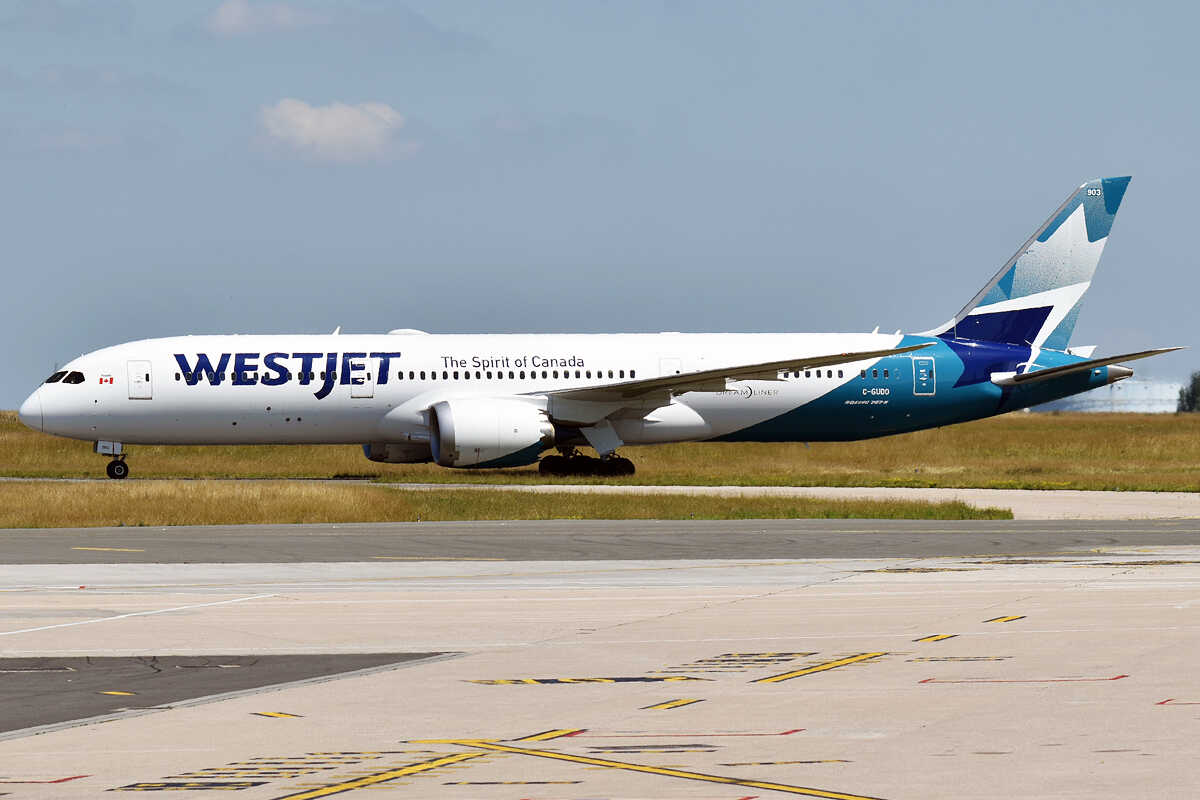
The dispute follows a similar fight at Air Canada in 2025. About 10,000 Air Canada flight attendants successfully campaigned for “ground pay,” a system that directly recognizes work performed while an aircraft is on the ground.
WestJet’s waiver covers a narrow travel window
WestJet operates over 600 flights and carries more than 70,000 passengers daily. Experts suggest a shutdown could cost the airline millions of dollars daily during the peak summer travel season.
The carrier’s passenger options currently apply to this period:
| Travel dates | Available option | Fee | Potential disruption date |
|---|---|---|---|
| July 30 to August 4, 2026 | One-time change or cancellation | No fee | Sunday, August 2, 12:01 a.m. MT |
Passengers with itineraries in that window can change or cancel once without a fee. The waiver does not extend the expected impact to every service in the network, because WestJet Encore and partner-operated code-share flights are outside the operations identified as immediately affected.
WestJet’s mainline and Sunwing operations using WestJet aircraft could face cancellations or other disruption if cabin crew walk out. The airline and union signed an Operational Wind-Down Agreement on July 28, 2026, designed to prevent aircraft and crew from becoming stranded abroad if a work stoppage begins.
That planning could bring aircraft and crews home before a shutdown, while still requiring schedule changes. The earliest possible strike time remains August 2 at 12:01 a.m. Mountain Time.
The airline has paired bargaining with a lockout notice
WestJet CEO Alexis von Hoensbroech said the airline did not make its response lightly.
“The decision to issue a lockout notice, in response to the actions taken by the union, was not one that was made lightly. We sincerely regret the inconvenience and uncertainty this continues to cause for our guests.”
The carrier issued its 72-hour lockout notice immediately after the union served its strike notice. A lockout could allow WestJet to control when employees stop working, potentially shutting down the same operations before the union begins its action.
Both notices leave time for a negotiated settlement. Hussain said the union would continue bargaining around the clock, while WestJet said discussions were still under way.
Ottawa faces calls to leave the negotiations alone
The dispute has also drawn political attention. Federal Transport Minister Steven MacKinnon said he hoped the parties would resolve the matter through bargaining.
“My understanding is that those talks are progressing. we’re hopeful that they reach a negotiated agreement.”
NDP MPs Don Davies and Leah Gazan have urged the federal government not to intervene under Section 107 of the Labour Code. That provision was used in 2025 to force Air Canada workers back to work.
The Air Canada precedent has put ground pay at the center of the comparison, but the WestJet dispute involves a separate airline, bargaining unit and collective agreement. The immediate question remains whether WestJet cabin crew will receive direct compensation for the duties they perform outside flight time.
Passengers booked through August 4 face the clearest near-term choice: keep an itinerary that could change or use the one-time fee-free option. WestJet Encore and partner-operated code-share flights remain the exceptions identified in the airline’s disruption planning, while both sides continue talks before Sunday’s deadline.