WestJet and the Canadian Union of Public Employees reached a tentative agreement on August 3, 2026, ending the strike by 4,400 flight attendants and withdrawing both strike and lockout notices. Even after the deal, the airline continued to face residual cancellations as it worked to restore normal operations across its network.
- 16 WestJet flights scheduled for Tuesday had been cancelled as of around 11 a.m. ET, according to CityNews, after the agreement was reached.
- CityNews cited Cirium data showing more than 300 WestJet flights were cancelled on Monday, or around 62 per cent of those scheduled.
- WestJet said the tentative deal ended the “work stoppage and network-wide operational disruption” and that the agreement will go to WestJet Cabin Crew for a ratification vote.
- CUPE president Alia Hussain said, “This tentative agreement represents meaningful progress. It evolves the flight credit system by recognizing more of the work cabin crew are required to perform and with general increases to compensation for that work.”
WestJet flight attendants are finishing their ratification vote on the tentative agreement that ended the strike, with balloting open since August 17 and closing at 2 p.m. MT on August 24. The Canadian Union of Public Employees said its bargaining committee unanimously recommended approval of the deal, which would run from January 1, 2026, to December 31, 2028.
- The tentative agreement is set to deliver a wage increase of more than 18 per cent over three years, including a 13 per cent increase this October, followed by a 2.75 per cent increase in January and a 2.5 per cent raise at the start of 2028.
- CUPE said the agreement adds new compensation for ground work through a “Duty Period Premium” and includes improvements to scheduling, reserve protections, vacation and special days off, benefits, hotel and layover protections, uniform and equipment allowances, and sick leave banking.
- The union’s members are deciding whether to approve the deal after the strike was resolved, with CUPE recommending ratification ahead of the August 24 voting deadline.
1 earlier update
WestJet and the Canadian Union of Public Employees reached a tentative agreement on August 3, 2026, ending the strike by 4,400 flight attendants and withdrawing both strike and lockout notices. Even after the deal, the airline continued to face residual cancellations as it worked to restore normal operations across its network.
Free toolCanada Express Entry Points Calculator- 16 WestJet flights scheduled for Tuesday had been cancelled as of around 11 a.m. ET, according to CityNews, after the agreement was reached.
- CityNews cited Cirium data showing more than 300 WestJet flights were cancelled on Monday, or around 62 per cent of those scheduled.
- WestJet said the tentative deal ended the “work stoppage and network-wide operational disruption” and that the agreement will go to WestJet Cabin Crew for a ratification vote.
- CUPE president Alia Hussain said, “This tentative agreement represents meaningful progress. It evolves the flight credit system by recognizing more of the work cabin crew are required to perform and with general increases to compensation for that work.”
- WestJet and CUPE reached a tentative deal Monday morning, ending the summer strike action.
- Over four thousand flight attendants demanded pay for ground duties including boarding and safety presentations.
- The airline has committed to refund or reaccommodate passengers affected by hundreds of flight cancellations.
WestJet and the Canadian Union of Public Employees reached a tentative deal early Monday, August 3, 2026, ending a strike by about 4,400 flight attendants that had forced the cancellation of hundreds of flights.
The walkout disrupted the busy summer travel period and left passengers scrambling to rebook or request refunds. The airline said affected travelers would be refunded or reaccommodated.
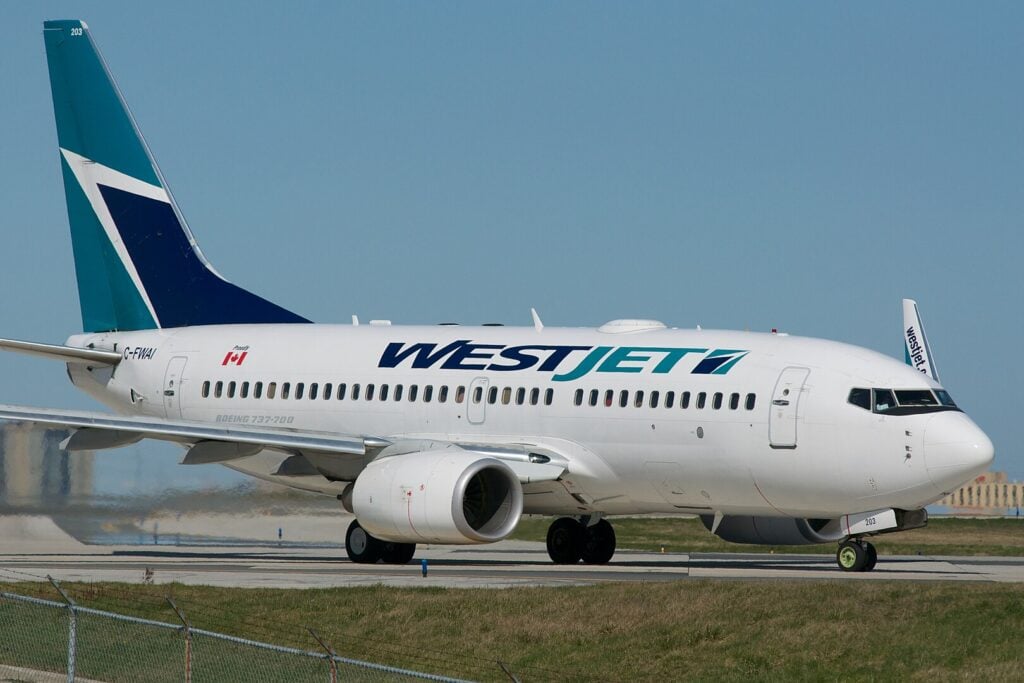
It had also offered free one-time changes or cancellations for travel between July 30 and August 4. The disruption had already spread across major airports.
Pearson airport in Toronto said the airline had suspended all flights because of the labor dispute. CUPE Ontario said members were picketing at Terminal 3.
The cancellation totals varied by measure. The airline had canceled 309 flights through Sunday night in anticipation of the strike, while a separate tally put the number at 600 cancellations since Friday during the holiday disruption.
The dispute centered on pay from check-in through clock-out
The union and airline had been negotiating over wages, scheduling and compensation for duties performed on the ground. Those tasks included boarding and safety presentations before and after flights.
The union represents about 4,400 flight attendants. Its position focused on compensation across the full workday, from check-in through clock-out, rather than only the time spent in the air.
Alia Hussain, president of CUPE 8125, said the union had continued bargaining until the final hours.
“We tried until the very last minute to get a fair deal that recognizes the value of the work cabin crews do.”
Hussain also said, “WestJet’s offer did not go far enough.” In another statement, she said, “We are on strike because we believe we deserve better. We are ready to go back to the table to settle.”
The tentative agreement came after the sides failed to settle before the strike deadline. Federal mediators were involved in the Calgary negotiations.
Bargaining continued after a 72-hour strike notice
The union had issued a 72-hour strike notice, making legal strike action possible as early as 12:01 a.m. Mountain Time on August 2, 2026.
Transport Minister Steven MacKinnon said the talks were “progressing” and that the government was hopeful the parties would reach a negotiated agreement.
The agreement arrived early Monday. It ended the strike after cancellations had accumulated through the holiday weekend.
The earlier offer included pay, per diems and leave provisions
Before the tentative deal, the airline described its proposal as a new compensation package. It included wage increases, a duty pay premium, per diem increases and scheduling improvements.
A reported version of that proposal included the following terms:
| Proposal element | Reported term |
|---|---|
| Wage increase | 13 per cent in October 2026 |
| Retroactive pay | January 1 |
| Duty pay premium | Additional 12 per cent salary equivalent |
| Per diem increase | 13 per cent |
| Healthcare spending accounts | Annual $300 |
| Vacation | Expanded vacation |
| Postpartum maternity leave top-up | 17 weeks |
The proposed duty premium addressed the union’s broader argument about ground work. Flight attendants sought compensation for duties that begin before departure and continue after landing.
The wage proposal also included retroactive pay to January 1. Other reported provisions covered annual healthcare spending accounts, expanded vacation and a postpartum maternity leave top-up.
Canceled passengers should check their revised arrangements
The disruption forced passengers to seek replacement flights and refunds during a high-volume travel period. The airline said it would refund or reaccommodate affected passengers.
Its earlier flexibility policy covered trips between July 30 and August 4. That policy allowed one free change or cancellation.
Travelers with affected bookings should review their itinerary and confirm the replacement arrangement before heading to the airport. The deal was tentative, so passengers should rely on the latest booking information issued by the airline.
The strike’s operational effects were visible at Toronto Pearson, where airport officials said all flights operated by the airline had been suspended during the disruption. Picketing also took place at Terminal 3.
The agreement followed negotiations involving the airline, the union and federal mediators in Calgary. The parties announced it early Monday after a weekend in which hundreds of flights were canceled.