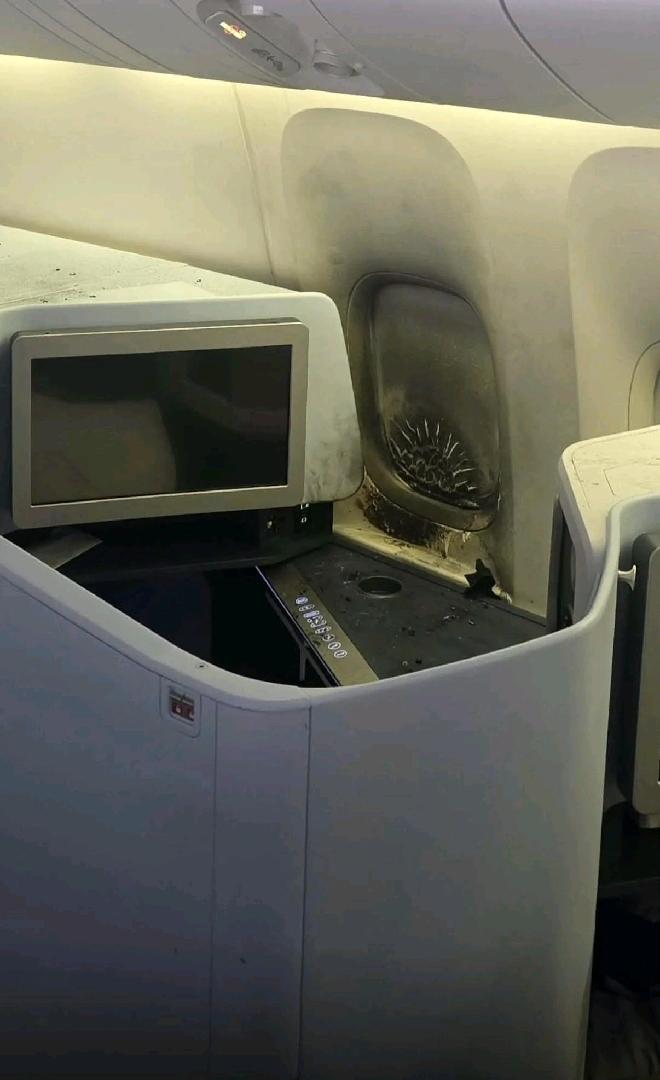
- Easyjet Portugal cabin crew voted to strike for five days in October and again before Christmas.
- The October walkout could affect about 500 scheduled flights at Lisbon, Porto, and Faro airports.
- The SNPVAC union says repeated warnings failed as mediation continues with DGERT before October second.
Easyjet Portugal cabin crew voted unanimously on September 17 to strike for five days in October and another five days before Christmas, putting flights at three major Portuguese airports at risk. The first stoppage is scheduled for October 2 to 6, followed by a second from December 19 to 23.
The vote involved 188 employees who attended the union meeting. The action follows a dispute over rosters, pay, staffing and alleged unequal treatment between cabin crew and pilots.
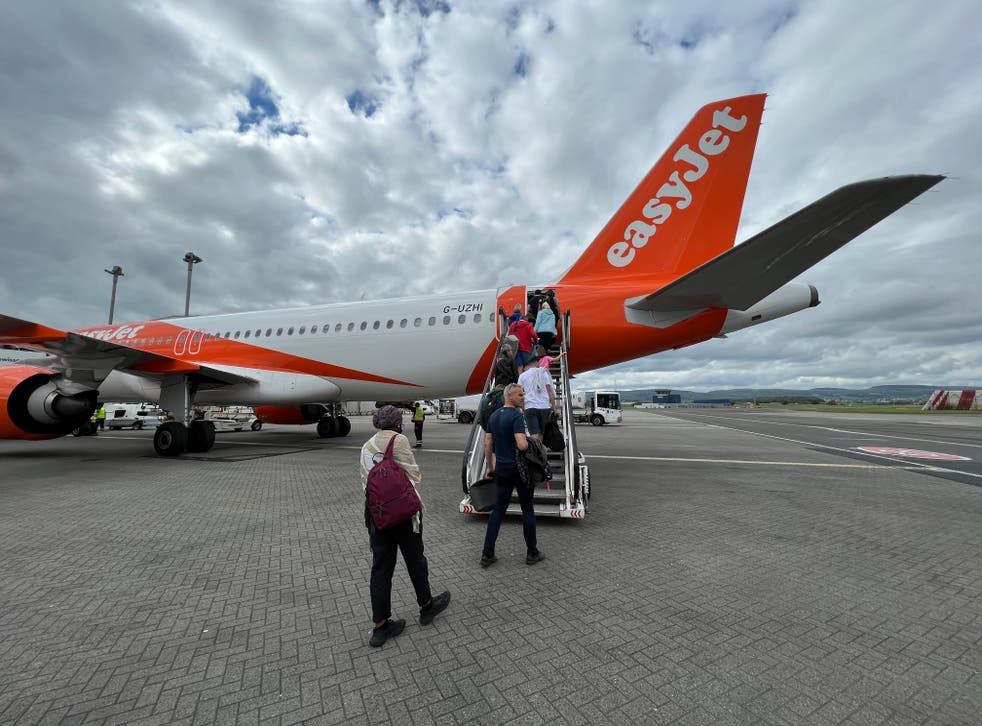
The October walkout could affect about 500 scheduled flights. The estimate covers services linked to Lisbon, Porto, and Faro airports.
That figure excludes flights that authorities may require the airline to operate under minimum-service rules. Those services have not yet been set.
The December action arrives during the Christmas travel period. Airlines generally operate fuller schedules then, raising the risk of wider disruption for passengers travelling during the holiday rush.
Mediation remains under way with Portugal’s labour authority, DGERT. The talks could still affect how the strikes proceed.
The two walkouts carry different disruption risks
| Strike window | Immediate issue | Expected effect |
|---|---|---|
| October 2 to 6, 2026 | Five-day cabin crew stoppage | About 500 scheduled flights could be affected, excluding minimum-service flights |
| December 19 to 23, 2026 | Five-day stoppage during the Christmas travel period | Potentially broader disruption as holiday demand rises |
Authorities and the union are expected to negotiate minimum services at a later date. Any flights protected under those arrangements would fall outside the current October estimate.
The union, SNPVAC union, said the walkouts followed “numerous attempts made by easyJet cabin crew to resolve labour and pay issues, which the company has ignored.” It said the situation had worsened despite earlier warnings to management.
Crew members have raised several workplace complaints. They include frequent roster changes, alleged breaches of the collective labour agreement and pressure to accept overtime because of staffing shortages.
The union also cited weak operational planning and what it described as discriminatory treatment compared with pilots. Its position is that cabin crew conditions have deteriorated while the company has failed to resolve the underlying labour and pay issues.
The airline rejects the demands as unworkable
easyJet described the demands as “unworkable” and said it was “extremely disappointed” by the decision to strike. The airline also said its Portuguese cabin crew receive pay significantly above the country’s national average.
“extremely disappointed”
The company said it would work to minimise disruption if the walkouts take place. It did not accept the union’s description of the working conditions.
Mediation through DGERT continues as the two sides remain apart. The process is taking place before the first strike date, leaving room for negotiations over the dispute and any minimum-service arrangements.
The disagreement includes both compensation and day-to-day working practices. Crew representatives have connected the staffing shortages to overtime pressure, while the airline has highlighted its pay levels in response.
Crew say repeated warnings failed to change conditions
SNPVAC said the working environment had “continued to deteriorate despite warnings from the union that the airline had failed to address” the problems. The organization also described the dispute as the result of repeated efforts that did not produce a settlement.
Roster instability sits at the centre of the complaint. Unpredictable duty planning can affect when crew report for work, while shortages can create additional pressure to cover scheduled operations.
The union’s claims also include alleged violations of the collective labour agreement. It has paired those concerns with its accusation that cabin crew receive less favourable treatment than pilots.
The vote therefore covers more than a single pay demand. It brings together complaints about labour conditions, staffing, operational preparation and the way different employee groups are treated.
The airline’s pay argument addresses only one part of that dispute. The union continues to press for changes to working conditions and for a response to the complaints it says management previously received.
A September emergency meeting set the action in motion
The union held an emergency general assembly on 15 September 2026 to examine conditions and decide whether to take industrial action. It had previously indicated that “all options” were on the table.
Two days later, the 188 participating employees approved the strike plan unanimously. The decision established the October and December dates while mediation continued.
The October dates come first, with the possibility of around 500 scheduled flights being affected before minimum services are settled. The December dates run from 19 to 23 December, placing the second action directly inside the Christmas travel period.
Passengers with easyJet bookings during either window should watch for airline updates and check whether their flight falls within any service arrangements agreed before the action. The first scheduled strike day is October 2, 2026.