- FAA will begin testing SMART in Washington next week at three regional airports.
- The $875 million system from Air Space Intelligence will help controllers forecast congestion and recommend alternate routes.
- Officials plan a roughly 90-day test before considering expansion, with nationwide rollout projected for 2028.
The Federal Aviation Administration plans to begin rolling out an AI traffic-management tool in the Washington, D.C. area next week, with human controllers still responsible for separating aircraft. The system, called SMART, is intended to assist, not replace, air traffic controllers.
The FAA has attached a $875 million contract to the project, awarded to Air Space Intelligence for 12 years. Public descriptions place the first deployment on Monday, September 21, 2026, while another account gives Monday, September 22, 2026. The agency’s rollout date remains described inconsistently in the material.
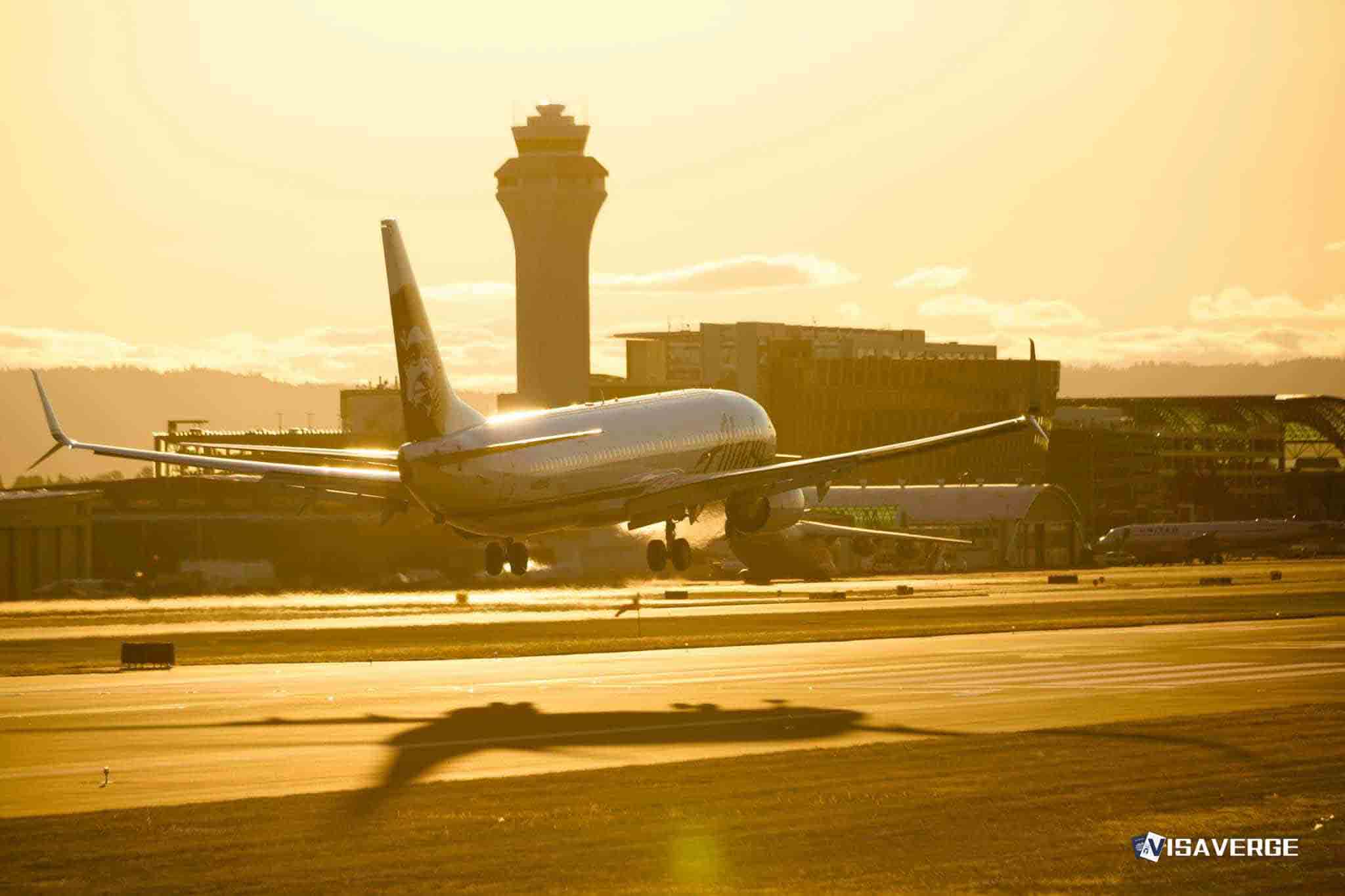
SMART stands for Strategic Management of Airspace, Routes, and Trajectories. It is a cloud-based platform designed to forecast congestion and recommend alternate routes before disruptions spread.
The FAA’s plan is narrower than automated air traffic control. Controllers can accept or ignore its recommendations.
The first deployment will cover three Washington-area airports
The initial test will serve three major airports in the Washington region:
- Ronald Reagan Washington National Airport
- Washington Dulles International Airport
- Baltimore/Washington International Thurgood Marshall Airport
Controllers will remain responsible for aircraft separation. SMART will supply recommendations and alternate routes that operators can use or reject.
That division keeps the system in a supporting role. The software does not make the final separation decision.
The tool targets an early-warning gap in traffic management
SMART will combine airline schedules, weather information, airport capacity, airspace conditions, and operational constraints. Its models will use those inputs to predict traffic flows and identify possible conflicts earlier than current processes.
The system is intended to give airlines and controllers a common view of developing conditions before flights depart. That could allow them to adjust routing and timing before weather or congestion creates a wider disruption.
During heavy traffic or severe weather, the platform will suggest alternative routes. The FAA’s stated aims include fewer flight delays, cancellations, fuel costs and disruptions caused by bottlenecks.
The route information will move through existing FAA systems. It is not designed to add a separate set of controller procedures.
Officials will use a roughly 90-day test before considering expansion
The opening phase is expected to last about 90 days. Officials will use that period to test the system’s predictions and assess whether airlines can rely on its recommendations.
Transportation Secretary Sean Duffy said the technology would be introduced gradually and remain under human oversight. FAA Administrator Bryan Bedford also described a cautious approach.
“We have to do a slow roll into the airspace,”
Bedford said the first phase would focus on testing the system and building confidence in its predictions. He also said the trial would help determine whether SMART performs as expected and whether airlines can trust its recommendations.
The agency will consider wider expansion after the initial test. The first deployment is therefore a live operating trial, not an immediate nationwide switch.
The FAA awarded the system’s contract in June
The FAA dated its announcement of Air Space Intelligence’s selection and the contract award June 22, 2026. The agreement covers $875 million over 12 years.
The project forms part of a broader modernization effort aimed at aging air traffic infrastructure. The FAA is using cloud-based analysis as a decision-support layer, rather than as an autonomous control system.
That approach shifts traffic management toward earlier forecasts. Officials want airlines and controllers to see potential congestion before it forces last-minute responses.
Airlines sought assurance that SMART would not rewrite procedures
Airline officials initially worried that the project could change how controllers manage traffic. Those concerns eased after FAA officials said SMART would create no new procedures and would deliver alternative route information through existing systems.
One airline industry official called the decision not to integrate the tool into day-to-day air traffic management “a big relief.” The official’s reaction reflected the industry’s concern about changing established controller workflows.
The system’s recommendations will remain separate from the responsibility to maintain aircraft separation. Human oversight will continue throughout the opening phase.
A nationwide rollout is projected for 2028
The FAA’s broader modernization effort seeks to replace reactive traffic management with earlier prediction and routing decisions. The Washington-area test will provide the first limited operating phase for that model.
A broader national rollout is projected for 2028, although the current deployment remains limited to the Washington area. Public descriptions issued between September 16–18, 2026, characterized the launch as imminent.
The immediate test will show how the platform handles changing schedules, weather, airport capacity and airspace conditions before the agency considers expanding its reach.