WestJet and the Canadian Union of Public Employees reached a tentative agreement early Monday that ends the flight attendants strike and the network-wide disruption tied to it. The deal now goes to a ratification vote by WestJet Cabin Crew, after both the strike and lockout notices were withdrawn.
- On August 2, 2026, WestJet released details of its latest offer, saying it included a 36% wage increase over four years, retroactive pay to January 1, 2026, and what it described as ground pay for every hour worked.
- WestJet said the proposal also included a 13% increase effective October 1, 2026, followed by 2.5% increases on January 1, 2027, January 1, 2028, and January 1, 2029.
- The company said it was offering a $300 health spending account, higher per diem meal allowances, a fifth week of vacation after 25 years of service, and scheduling and quality-of-life changes.
- Before the tentative deal, the union representing about 4,400 cabin crew had issued a 72-hour strike notice on July 30, 2026, and WestJet responded with a 72-hour lockout notice.
WestJet and the Canadian Union of Public Employees reached a tentative agreement on August 3, 2026, ending the strike by 4,400 flight attendants and withdrawing both strike and lockout notices, but cancellations continued as the airline restored service. WestJet said the deal ended the “work stoppage and network-wide operational disruption,” while 16 WestJet flights scheduled for Tuesday were cancelled as of around 11 a.m. ET.
- WestJet said the agreement will go to WestJet Cabin Crew for a ratification vote, and CUPE said it would share the deal details with members before that vote.
- CityNews reported that Cirium data showed more than 300 WestJet flights were cancelled on Monday, or around 62 per cent of those scheduled, even after the morning deal.
- CUPE President Alia Hussain said, “This tentative agreement represents meaningful progress. It evolves the flight credit system by recognizing more of the work cabin crew are required to perform and with general increases to compensation for that work.”
- WestJet Chief Executive Officer Alexis von Hoensbroech apologized Monday for the disruption, saying the airline’s teams were working hard to restore service as aircraft were repositioned and operations normalized.
1 earlier update
WestJet and the Canadian Union of Public Employees reached a tentative agreement early Monday that ends the flight attendants strike and the network-wide disruption tied to it. The deal now goes to a ratification vote by WestJet Cabin Crew, after both the strike and lockout notices were withdrawn.
- On August 2, 2026, WestJet released details of its latest offer, saying it included a 36% wage increase over four years, retroactive pay to January 1, 2026, and what it described as ground pay for every hour worked.
- WestJet said the proposal also included a 13% increase effective October 1, 2026, followed by 2.5% increases on January 1, 2027, January 1, 2028, and January 1, 2029.
- The company said it was offering a $300 health spending account, higher per diem meal allowances, a fifth week of vacation after 25 years of service, and scheduling and quality-of-life changes.
- Before the tentative deal, the union representing about 4,400 cabin crew had issued a 72-hour strike notice on July 30, 2026, and WestJet responded with a 72-hour lockout notice.
- Approximately 4,400 WestJet flight attendants commenced a strike at midnight Sunday following failed contract negotiations.
- The airline has cancelled 309 flights, impacting an estimated 250,000 passengers during the August long weekend.
- Disputes center on unpaid ground duties and the airline’s credit hour system for boarding and delays.
Roughly 4,400 WestJet flight attendants walked off the job at 12:01 a.m. MT Sunday after overnight contract talks collapsed, forcing the cancellation of 309 flights during the August long weekend rush. The stoppage affects an estimated 250,000 passengers.
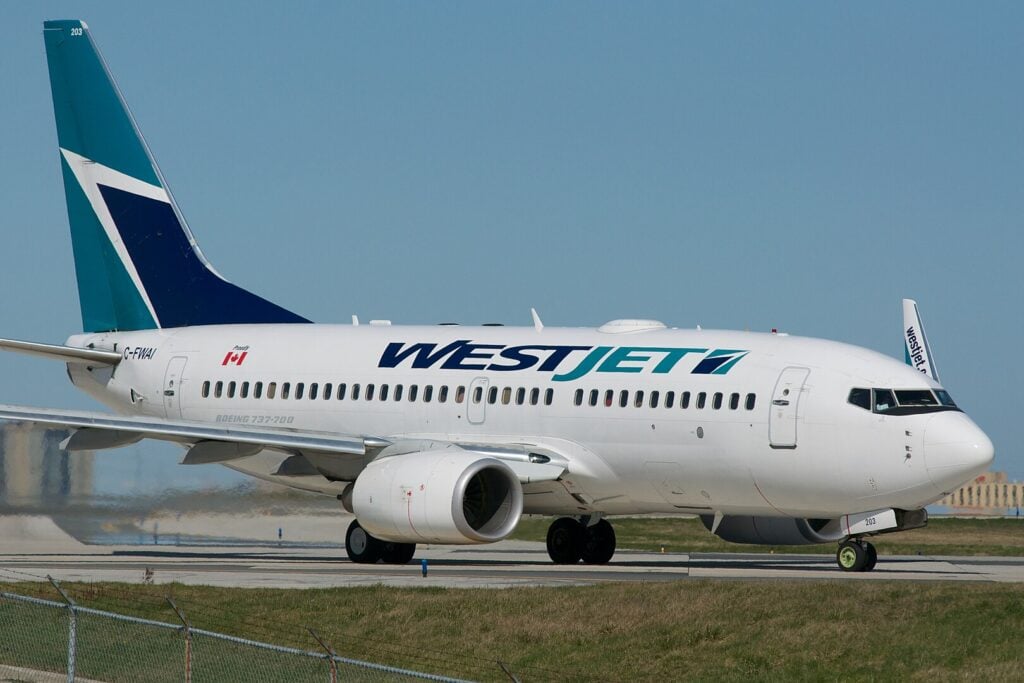
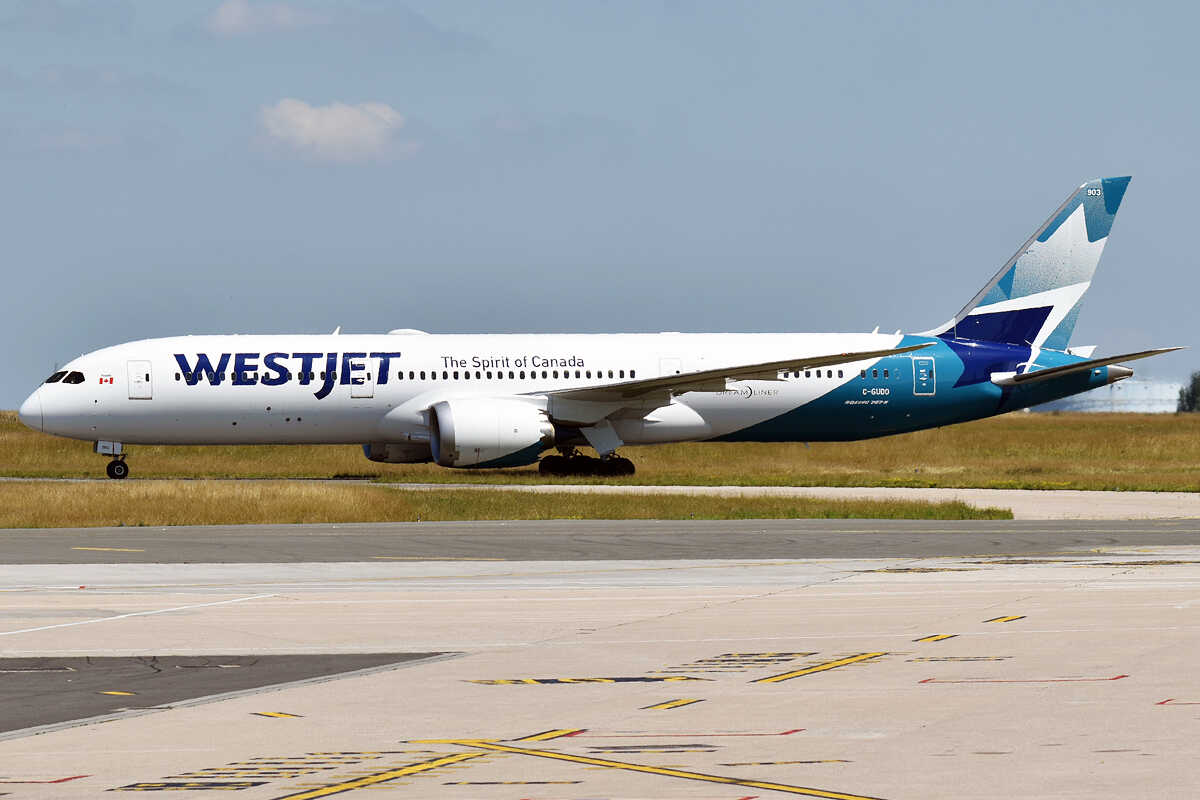
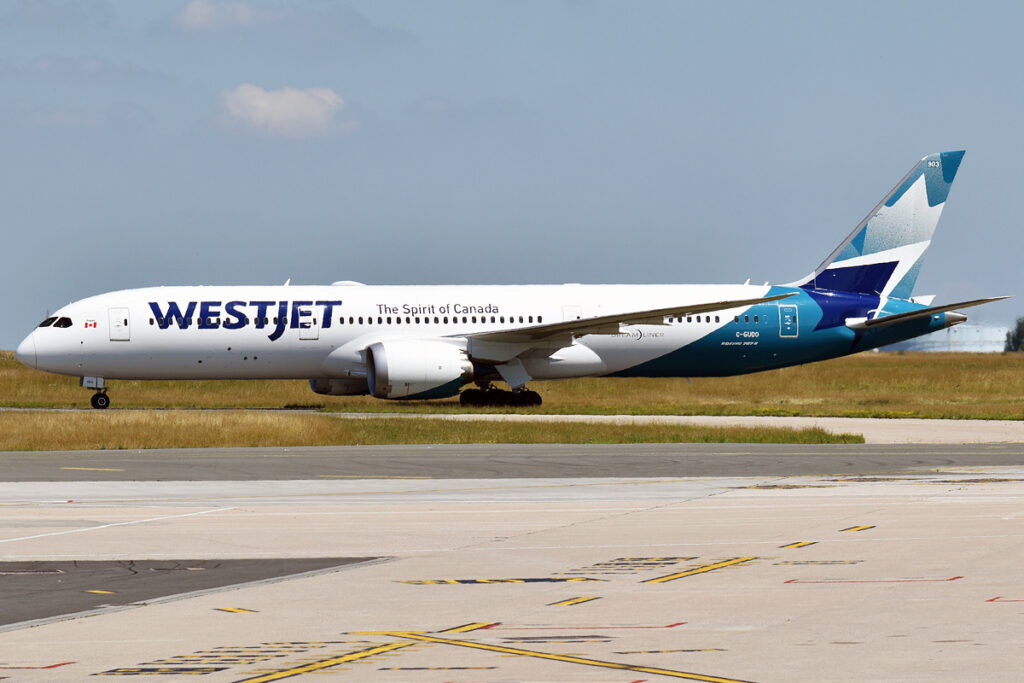
The airline said it could not operate its scheduled Boeing 737 or 787 flights. It began issuing refunds and arranging alternative travel for affected guests.
The union behind the strike is CUPE 8125. Members voted 99.4% in favor of strike action, with 97.3% turnout.
The strike began in Calgary after eleventh-hour negotiations failed. Picketing started at major hubs, including Calgary International Airport, where union president Alia Hussain held a media availability at 8:00 a.m. Sunday.
Hussain said the union had stayed at the bargaining table until the final moments but rejected the airline’s latest proposal.
“We tried until the very last minute to get a fair deal that recognizes the value of the work cabin crews do. WestJet's offer did not go far enough. We are on strike because we believe we deserve better.”
The dispute focuses on pay for duties performed before departure and after landing. Cabin crews say the airline’s “credit hours” system does not pay them for check-in, boarding, delays and post-landing work. The airline says its existing pay structure accounts for ground time.
The mainline network has been wound down for the strike
The airline normally operates more than 600 flights a day. It completed a preemptive network wind-down at 11:00 p.m. MT Saturday, aiming to prevent aircraft and crews from becoming stranded outside Canada.
A flexible change and cancellation policy covers bookings made between July 30 and August 4, 2026. The airline has been notifying affected passengers by email and SMS. Refunds and rebooking on other airlines are available where seats exist.
| Operation | Strike impact |
|---|---|
| Boeing 737 flights | The airline said scheduled flights could not operate |
| Boeing 787 flights | The airline said scheduled flights could not operate |
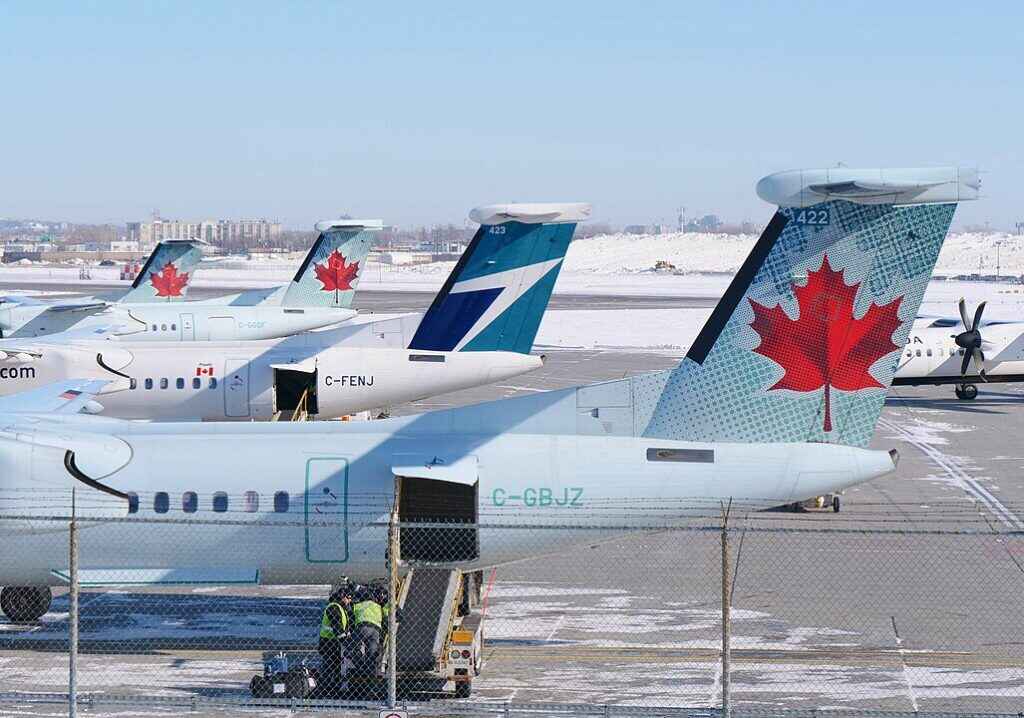
| WestJet Encore Q400 flights | Unaffected by the mainline strike |
| Partner-operated codeshare flights | Unaffected by the mainline strike |
The stoppage does not cover Encore flights operated with Q400 aircraft or codeshare flights operated by partner airlines. Passengers should check the operating carrier before heading to the airport.
The union says the 80-hour requirement leaves ground duties unpaid
The previous collective agreement expired on December 31, 2025. Bargaining has continued for nearly 11 months, with unpaid ground work, wage increases and scheduling among the central disputes.
The union says the latest offer did not remove a requirement for attendants to work at least 80 credit hours each month without explicit ground pay. It argues that the arrangement undervalues work completed while passengers are boarding, flights are delayed or aircraft are being prepared after arrival.
The airline described its proposal as transformational. Its package included a 13% wage increase beginning in October 2026, followed by 2.5% annual increases through 2029. It also offered retroactive pay to January 1, 2026.
The proposal included a duty pay premium equivalent to an additional 12% salary increase. Other provisions included a $300 annual healthcare spending account and a 17-week maternity leave top-up.
Alexis von Hoensbroech, CEO of the airline group, said the proposal would have established a new cabin-crew standard in Canada.
“We’re disappointed to be here; this directly impacts the travel plans of our guests, our WestJetters and the communities and businesses we serve. We presented a proposal that would have set a new standard for cabin crew in Canada. Unfortunately, it wasn’t accepted.”
The two sides remain far apart over whether the offer properly compensates work outside the time an aircraft is in the air.
Ottawa faces pressure over a possible Section 107 intervention
Federal mediators remained engaged with both sides in Calgary early Sunday. Steven MacKinnon, the federal transport minister, said negotiations were continuing with support from the Federal Mediation Service.
“The parties are at the table. They are negotiating, I know, very intensely. they are very, very well supported by the Federal Mediation Service and we’re hopeful that they reach a negotiated agreement.”
Jobs and Families Minister Patty Hajdu said she was disappointed that the parties failed to prevent a disruption and argued that strong agreements are reached through bargaining.
The government could face calls to use Section 107 of the Canada Labour Code. Ottawa used that mechanism during last year’s Air Canada flight attendants dispute to direct the labour board toward a back-to-work order and binding arbitration.
Unions have criticized Section 107 as a measure that weakens collective bargaining. Air Canada flight attendants defied the back-to-work order during that earlier strike.
Both sides issued 72-hour notices on July 30. The union gave a strike notice, while the airline issued a lockout notice.
The federal government is led by Prime Minister Mark Carney. The union has called for bargaining to continue without federal intervention.
Passengers should check their flight before leaving home
The cancellations are concentrated in the mainline Boeing network, while Encore and partner-operated codeshare services remain outside the strike. Travelers whose bookings fall between July 30 and August 4, 2026, can use the flexible change and cancellation policy.
The disruption began on a holiday weekend. Refund and rebooking decisions will depend on the options available when the airline contacts each passenger.