- A Ryanair engine fan blade shattered a cabin window and partially pulled a passenger outward during a July climb.
- Investigators found evidence of fatigue cracking and bird remains inside the failed CFM International engine.
- The NTSB is comparing the incident to a deadly 2018 Southwest accident involving a similar window failure.
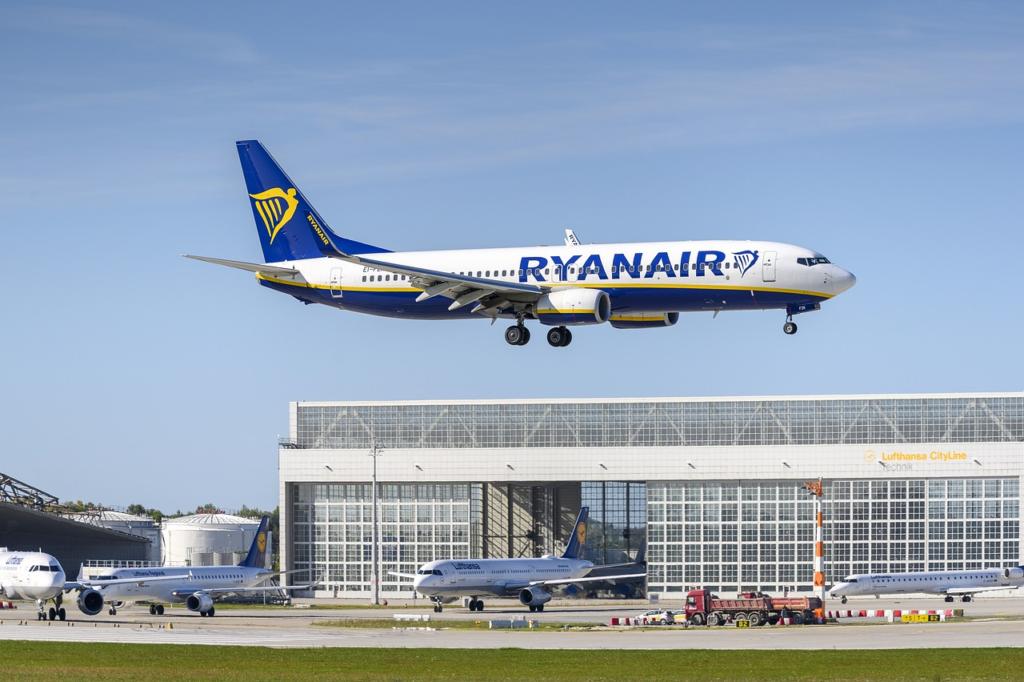
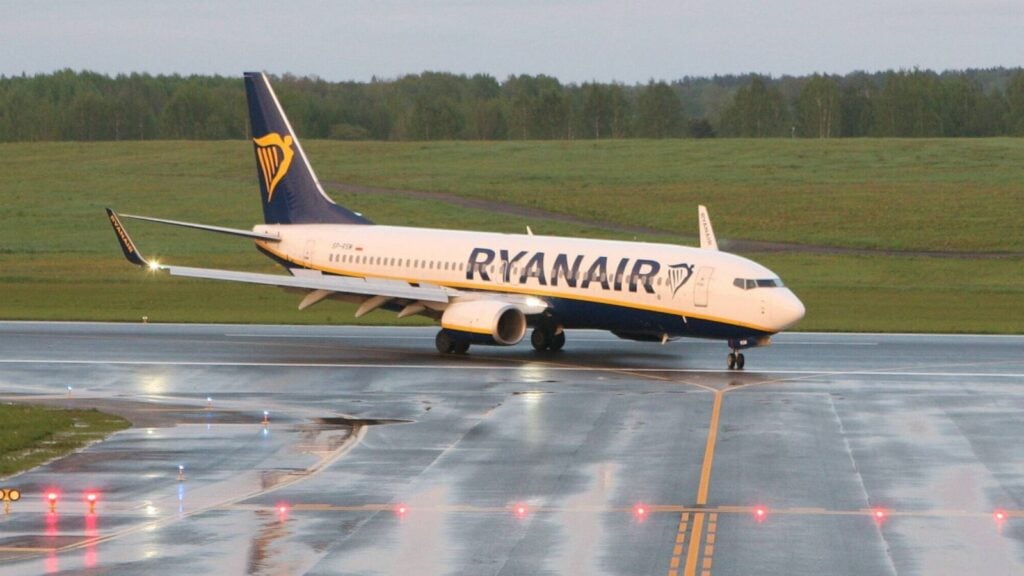
The National Transportation Safety Board said Thursday that a separated engine fan blade sent debris through a Ryanair Boeing 737 on July 10, 2026, shattering a cabin window and partially pulling a passenger from the aircraft.
Ljubisa Karovic, 61, occupied seat 11F on Ryanair Flight 1879, operated by Malta Air. His head and shoulders went through the broken window before fellow passengers pulled him back inside.
Free toolB1/B2 Tourist Visa Stay Calculator online
Karovic suffered significant injuries. The aircraft was climbing from Thessaloniki International Airport toward Memmingen, Germany, when the incident occurred.
The crew turned back. It landed uneventfully in Thessaloniki.
The NTSB’s preliminary report identifies a fan blade failure involving the aircraft’s No. 2 engine, a CFM International CFM56-7B26. Fragments from the engine punctured the fuselage and shattered the window at row 11.
The report says the crew returned to the departure airport for an emergency landing. It describes Karovic as having become “partially lodged in a damaged cabin window.”
“The crew elected to return to SKG [Thessaloniki International Airport] where they made an uneventful landing.”
Bird remains and blade damage remain under review
Investigators found bird remains inside the engine. They also found fatigue cracking on the blade that separated.
The same engine had a record of earlier suspected bird strikes. Four such incidents had been reported during the previous 12 months, and remains were reportedly found in two of them.
| Item | Detail |
|---|---|
| Engine involved | No. 2, right-side CFM International CFM56-7B26 |
| Earlier reports | Four suspected bird strikes in the previous 12 months |
| Cases involving remains | Bird remains reportedly found in two incidents |
| Blade evidence | Fatigue cracking found on the failed blade |
Those findings form part of the evidence review. The preliminary report does not assign a final cause to the event.
The report describes the engine problem as a fan-blade-out failure during the aircraft’s climb. After the blade separated, debris entered the fuselage and damaged the cabin window.
“experienced a No. 2 (right) engine fan-blade-out (FBO) failure during climb out”
The aircraft had been operating the route from Thessaloniki, Greece, to Memmingen, Germany. The emergency return ended with an uneventful landing.
The NTSB is comparing the event with a 2018 Southwest failure
The agency is examining possible similarities between the Ryanair incident and an April 2018 Southwest Airlines engine failure. That accident killed a passenger after the person was partially sucked out of a window.
The comparison remains part of the ongoing investigation. The NTSB has not made a final determination about the specific contributing factors in the Ryanair event.
The two incidents share a passenger-window injury and an engine failure. The preliminary material does not establish that they had the same cause.
Investigators continue to assess the blade damage, the remains found in the engine and the path taken by the debris. The inquiry remains open.
As of August 2026, the NTSB has issued preliminary findings rather than a final accident report. The available findings establish how the window broke, but not every factor behind the blade separation.
NTSB says Michael O'Leary violated investigation rules
NTSB Chairwoman Jennifer Homendy said Ryanair CEO Michael O'Leary was not authorized to comment on the open investigation. She said his public statements violated international rules governing accident investigations.
The agency said accredited representatives and their technical advisers cannot comment on a potential accident cause or convey investigative information while the inquiry continues.
“The NTSB is currently investigating that accident and therefore, accredited representatives and their technical advisers are prohibited from making any comments regarding the potential cause of the event or otherwise conveying potential investigative information,”
Homendy said the statements offered an opinion and analysis of the accident while pointing toward possible areas of investigative interest.
“Mr. O’Leary’s public statements violate (international rules) as they provide an opinion and analysis of the accident and suggest potential areas of interest in the ongoing investigation.”
The NTSB’s investigation continues after the July 10 flight, with the blade damage, bird evidence and possible similarities to the April 2018 accident still under examination.