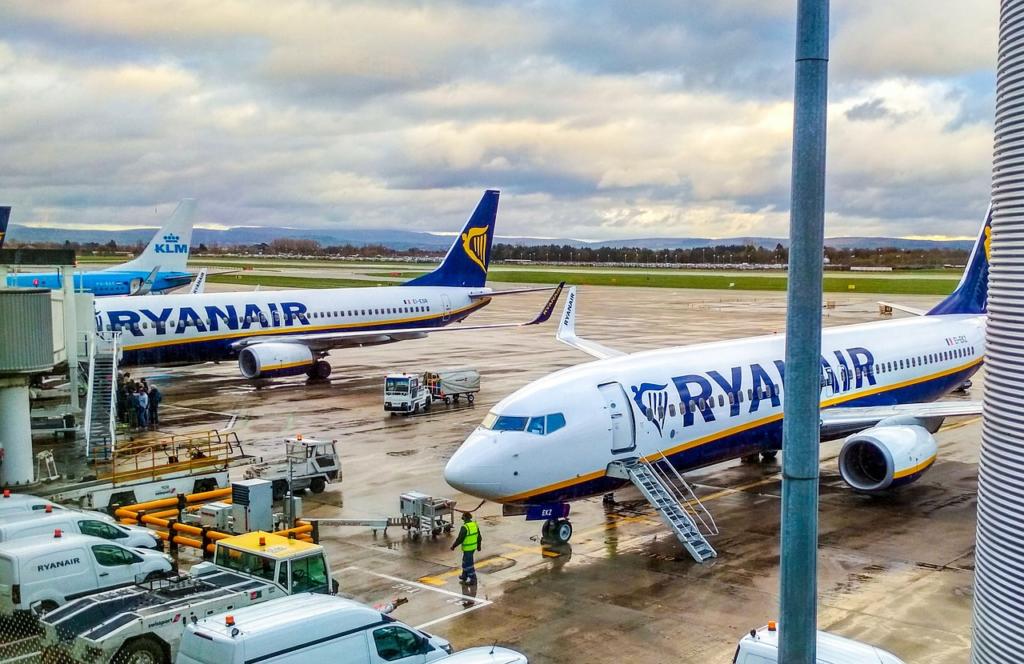
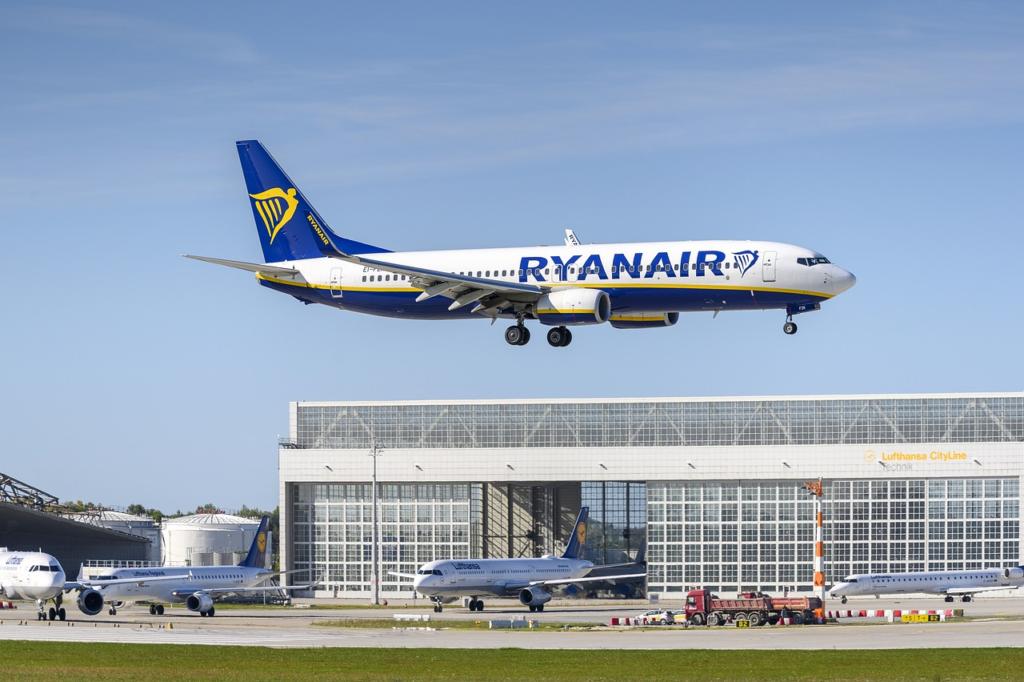
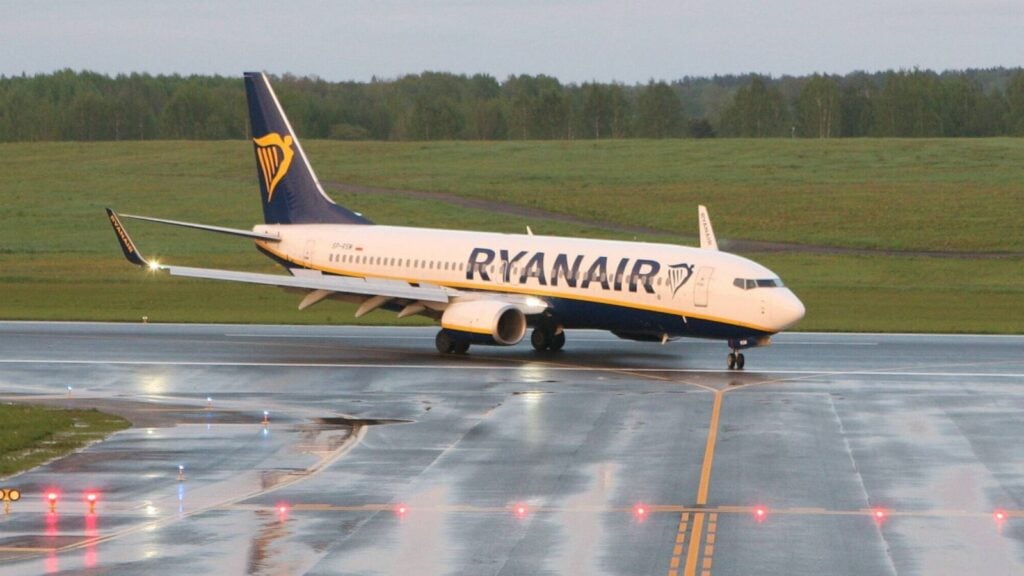
Ryanair CEO Michael O’Leary said on July 20, 2026 that an initial probe into the July 10 window-shattering incident points to “foreign object damage” in the right engine, while stressing the finding is not definitive. Investigators are now examining whether a broken fan blade in the CFM56-7B engine sent debris into the cabin window on flight FR1879 from Thessaloniki to Memmingen, Germany.
- Michael O’Leary said the early finding was “foreign object damage”, but he emphasized it is “not definitive”.
- The aircraft was an 18-year-old Boeing 737-800 operated by Malta Air, a Ryanair subsidiary, and it returned safely to Thessaloniki after the incident.
- Investigators believe a fan blade broke away inside the right-hand CFM56-7B engine, sending debris that shattered the cabin window at seat 11F and triggered explosive decompression.
- The passenger pulled partly out of the aircraft, 61-year-old Ljubisa Karovic of Serbia, remains hospitalized in Thessaloniki after suffering friction burns and other injuries.
Ryanair Flight FR661 returned to Dublin safely on July 26, 2026 after a medical emergency onboard shortly after departure from Birmingham. The flight, operated by a Boeing 737-800 registered EI-EBC, landed on Runway 28L about 40 minutes after takeoff, with emergency crews waiting on arrival.
- The aircraft departed Birmingham at 08:37 BST and was tracked over the Irish Sea at about 8,000 feet after the crew transmitted emergency squawk 7700.
- Dublin Airport ground crews were positioned to meet the flight immediately, and the aircraft received priority landing clearance for the arrival.
- Emergency services met the plane on touchdown and managed the medical crisis after the safe landing in Dublin.
1 earlier update
Ryanair CEO Michael O’Leary said on July 20, 2026 that an initial probe into the July 10 window-shattering incident points to “foreign object damage” in the right engine, while stressing the finding is not definitive. Investigators are now examining whether a broken fan blade in the CFM56-7B engine sent debris into the cabin window on flight FR1879 from Thessaloniki to Memmingen, Germany.
- Michael O’Leary said the early finding was “foreign object damage”, but he emphasized it is “not definitive”.
- The aircraft was an 18-year-old Boeing 737-800 operated by Malta Air, a Ryanair subsidiary, and it returned safely to Thessaloniki after the incident.
- Investigators believe a fan blade broke away inside the right-hand CFM56-7B engine, sending debris that shattered the cabin window at seat 11F and triggered explosive decompression.
- The passenger pulled partly out of the aircraft, 61-year-old Ljubisa Karovic of Serbia, remains hospitalized in Thessaloniki after suffering friction burns and other injuries.
Ryanair CEO Michael O’Leary said an initial probe points to “foreign object damage” to the engine as the likely trigger in the July 10, 2026 incident on a Ryanair flight from Thessaloniki, Greece, to Memmingen, Germany. Later coverage identified the injured passenger as 61-year-old Ljubiša Karović, a Serbian national, and said he remains hospitalized in Thessaloniki with serious physical and psychological injuries.
- Michael O’Leary said the airline’s initial review points to “foreign object damage” as the likely cause, while stressing the investigation is not definitive.
- The passenger was later identified as Ljubiša Karović, 61, a Serbian national, and he was transferred to AHEPA University General Hospital in Thessaloniki.
- Later reporting says Karović has neck and shoulder injuries, friction burns, and severe psychological trauma after being partially sucked through a dislodged window.
- Ryanair said a replacement aircraft was arranged so the other passengers could finish the journey the same day, while the airline said it would not comment further during the formal investigation.
2 earlier updates
Ryanair Flight FR661 returned to Dublin safely on July 26, 2026 after a medical emergency onboard shortly after departure from Birmingham. The flight, operated by a Boeing 737-800 registered EI-EBC, landed on Runway 28L about 40 minutes after takeoff, with emergency crews waiting on arrival.
- The aircraft departed Birmingham at 08:37 BST and was tracked over the Irish Sea at about 8,000 feet after the crew transmitted emergency squawk 7700.
- Dublin Airport ground crews were positioned to meet the flight immediately, and the aircraft received priority landing clearance for the arrival.
- Emergency services met the plane on touchdown and managed the medical crisis after the safe landing in Dublin.
Ryanair CEO Michael O’Leary said on July 20, 2026 that an initial probe into the July 10 window-shattering incident points to “foreign object damage” in the right engine, while stressing the finding is not definitive. Investigators are now examining whether a broken fan blade in the CFM56-7B engine sent debris into the cabin window on flight FR1879 from Thessaloniki to Memmingen, Germany.
- Michael O’Leary said the early finding was “foreign object damage”, but he emphasized it is “not definitive”.
- The aircraft was an 18-year-old Boeing 737-800 operated by Malta Air, a Ryanair subsidiary, and it returned safely to Thessaloniki after the incident.
- Investigators believe a fan blade broke away inside the right-hand CFM56-7B engine, sending debris that shattered the cabin window at seat 11F and triggered explosive decompression.
- The passenger pulled partly out of the aircraft, 61-year-old Ljubisa Karovic of Serbia, remains hospitalized in Thessaloniki after suffering friction burns and other injuries.
- A Ryanair Boeing seven thirty-seven suffered mid-air engine failure on July tenth, twenty twenty-six, over Greece.
- Engine debris shattered a window, causing explosive decompression that nearly ejected a male passenger.
- The flight landed safely in Thessaloniki with only minor injuries reported among the passengers.
(THESSALONIKI, GREECE) – Fly the cheapest fare only if the route is short and the airline’s no-frills model fits your plans. When a Ryanair Boeing 737 on flight FR-1879 suffered a mid-air engine failure over northern Greece on July 10, 2026, a shattered window turned a routine hop into an emergency that ended back in Thessaloniki.
The flight had left Thessaloniki International Airport (SKG) for Memmingen Airport (FMM), the low-cost gateway near Munich. Soon after takeoff, debris from the malfunctioning engine struck the fuselage and broke a passenger window, triggering explosive decompression. One man was partially sucked out of the opening before other passengers pulled him back inside.
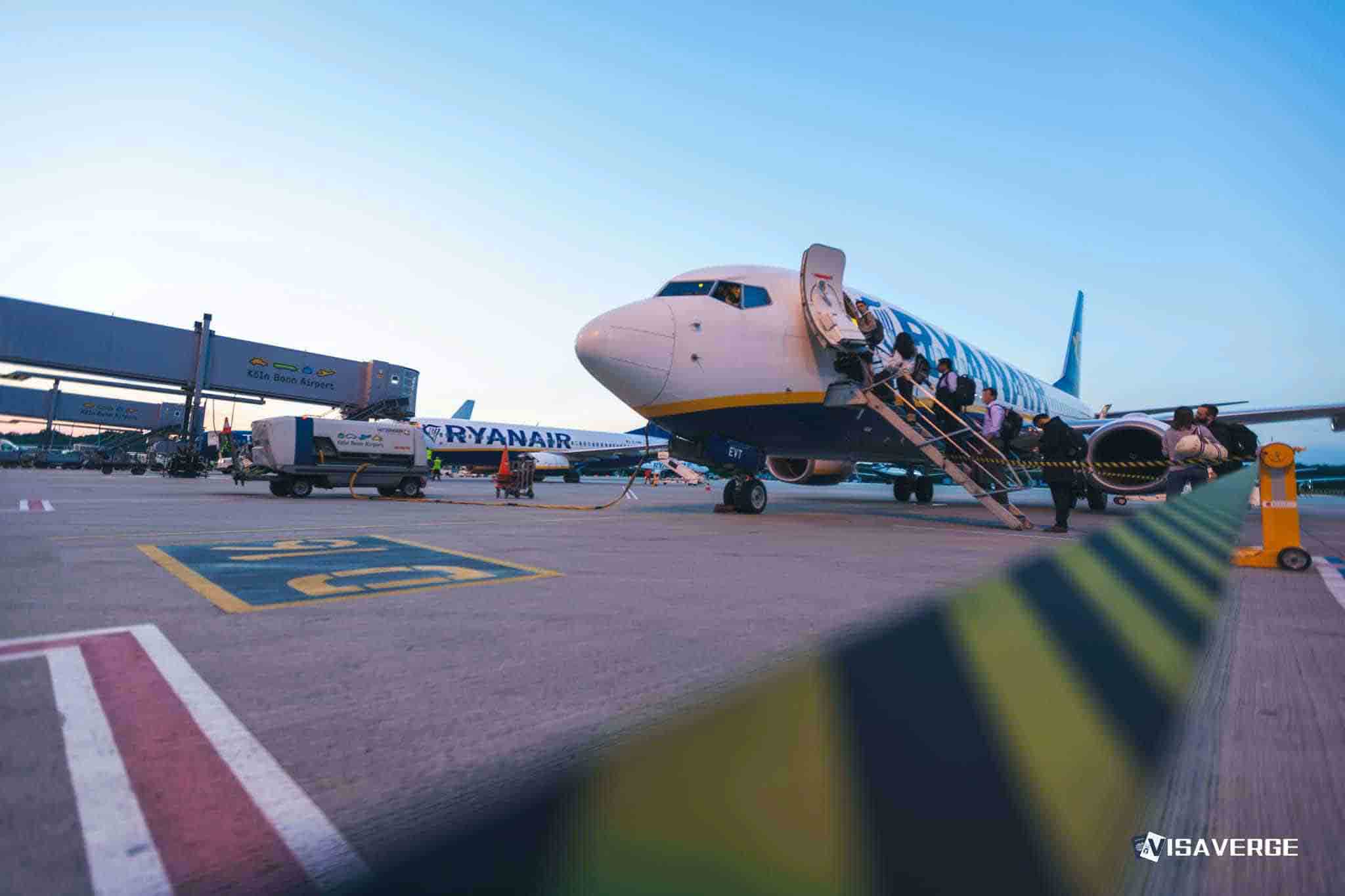
That sequence is the part travelers will remember, but the more relevant detail for booking decisions is the cabin response. Oxygen masks dropped automatically. The crew turned the aircraft around. The jet landed safely in Thessaloniki, and the injured passenger was treated for minor injuries.
Aviation incidents often get flattened into one headline, but the details matter. This case was not a window detaching from the aircraft. The window shattered after being hit by engine debris. That distinction separates it from the kind of structural failure people picture when they hear “blown out window.”
The comparison that keeps coming up is the 2018 Jennifer Riordan incident on a US Airways flight, where engine failure led to a fatal window-related decompression. That earlier case involved a different airline, a different aircraft, and a far worse outcome. The Ryanair flight produced no fatalities, and the passenger who was pulled back inside survived with minor injuries.
Low-cost carriers and legacy airlines also handle the aftermath differently. Ryanair does not run a traditional mileage program, so there is no elite status path, upgrade track, or points balance to worry about on this trip. A full-service carrier on the same length route would usually come with more generous rebooking help, loyalty earning, and a larger network of alternative flights.
| Detail | Ryanair FR-1879 | Typical full-service carrier |
|---|---|---|
| Route | Thessaloniki → Memmingen | Similar short-haul European route |
| Aircraft | Boeing 737 | Often A320-family or 737-family |
| Fare structure | Low base fare, paid extras | Higher base fare, more bundled inclusions |
| Miles earned | No traditional mileage accrual | Usually earns redeemable miles and status credit |
| Cabin service | Buy-on-board, limited extras | More included service and flexibility |
| Irregular operations help | Basic rebooking model | Broader rerouting options and support |
| Outcome in this case | Safe return to Thessaloniki | Not applicable |
The fare gap still explains why many travelers book Ryanair. On a short intra-European hop, the cheapest ticket can undercut a full-service carrier by a wide margin. The tradeoff is clear: checked bags, seat selection, and flexibility usually cost extra. On a route like Thessaloniki to southern Germany, that can still be worth it if the trip is simple and baggage-light.
The mileage question is simple too. Ryanair does not give travelers the same reward-earning value as carriers with large loyalty programs. If a trip is likely to be changed, canceled, or rebooked often, a legacy airline can be the better buy even when the fare is higher. The points value can partly offset the cash difference, especially for frequent flyers chasing status.
What happened on FR-1879 also shows why aircraft type alone does not tell the whole story. A Boeing 737 is one of the most common short-haul aircraft in Europe, and millions of passengers fly on them every year without incident. The problem in this case was the engine failure and the debris strike, not the basic fact that the plane was a 737.
The emergency response inside the cabin is the other comparison point. Passengers nearby reacted fast enough to pull the man back from the opening before he was fully ejected. That is the kind of outcome travelers rarely think about when comparing airlines, but it is tied directly to crew training, passenger behavior, and how quickly oxygen masks and descent procedures kick in.
⚠️ Heads Up: The window was shattered by engine debris, not detached from the aircraft. Headlines that blur that point misstate what happened.
Choice between a low-cost carrier and a full-service airline becomes easier once the trip gets more complex.
Choose Ryanair if:
- the route is short
- you are traveling with hand luggage only
- the ticket price difference is large
- flexibility is not a priority
Choose a full-service airline if:
- you want baggage included
- you need stronger rebooking support
- you earn miles on every trip
- you connect onward and need schedule protection
That split matters even more on routes where weather, aircraft rotation, or maintenance issues can disrupt the day. A bare-bones fare can save money upfront, but it leaves less room when things go wrong. A higher fare can buy smoother recovery, and sometimes a better seat, a drink, and a loyalty credit along the way.
Greek authorities have launched an investigation into the engine failure and the damage that followed. That process will focus on the failed component, the debris strike, and the aircraft’s emergency handling. Travelers booking short-haul Europe flights before the summer rush should still compare the full trip cost, not just the headline fare, before choosing the cheapest seat.