- Scandinavian Airlines CEO Anko van der Werff is the leading candidate to lead Air Canada.
- Current CEO Michael Rousseau will step down later this year following a language controversy.
- Van der Werff brings extensive experience in airline restructuring from roles at SAS and Avianca.
(CANADA) — Air Canada is moving closer to a leadership change that could shape its network, fleet plans and Aeroplan strategy.
Anko van der Werff, the chief executive of Scandinavian Airlines, has emerged as the leading candidate to replace Michael Rousseau, though Air Canada has not formally appointed him.
Free toolCanada Express Entry Points Calculator
The timing matters because Rousseau already said in March 2026 that he would step down later this year. His departure followed a public backlash after he did not speak French in a corporate video, a misstep that turned into a political and cultural headache for Canada’s largest airline.
Van der Werff’s name carries weight in aviation circles. He has led Scandinavian Airlines, or SAS, for about five years and guided the carrier through bankruptcy. Before that, he served as chief executive of Avianca from 2019 to 2021.
His record spans restructuring, labor strain and turnaround work, three problems Air Canada knows well.
Air Canada has not commented publicly on the reports, and no final decision has been announced. Even so, the appearance of a front-runner is the clearest sign yet that the succession process is nearing a decision.
Investors and frequent flyers usually watch these moments closely, because a CEO change can alter how quickly an airline moves on growth, cost control and premium cabin strategy.
| Detail | Information |
|---|---|
| Leading candidate | Anko van der Werff |
| Current role | CEO, Scandinavian Airlines |
| Air Canada status | No formal appointment announced |
| Current CEO | Michael Rousseau |
| Rousseau departure | Planned for later in 2026 |
| Public issue | French language controversy |
Van der Werff’s resume suggests a leader comfortable with disruption. SAS entered bankruptcy protection in 2022, then spent years reshaping its cost base and route network. Avianca also went through severe financial stress during his tenure.
That background matters at Air Canada, where margins depend on disciplined capacity planning, stable labor relations and long-haul demand across North America, Europe and Asia.
The airline has spent years positioning premium cabins, paid upgrades and loyalty earnings as a larger part of its business. A new chief executive usually does not rewrite Aeroplan overnight.
Even so, leadership changes can affect how aggressively an airline prices award seats, expands partner earning, or pushes higher-margin international service.
Air Canada’s main competitors will be watching, too. WestJet has been trying to strengthen its premium proposition, while foreign carriers continue to pull Canadian travelers across the Atlantic with dense networks and strong loyalty ties.
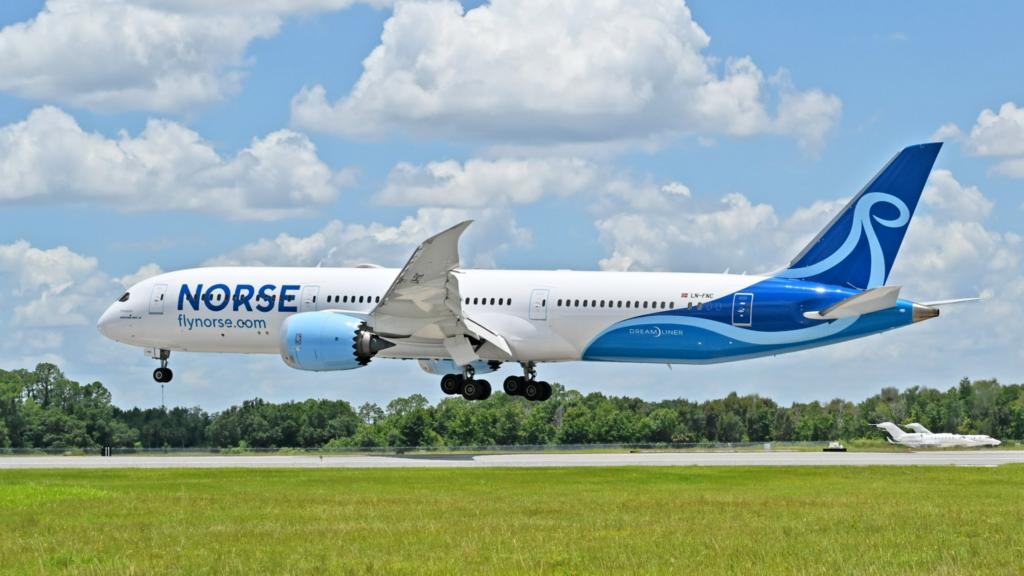
SAS itself is now part of a broader Scandinavian and European competitive field, which gives van der Werff direct experience with transatlantic demand and alliance pressure.
Rousseau’s exit has already become part of Air Canada’s public record. He announced in March that he would leave later in 2026, after criticism over his lack of French in a video aimed at Quebec audiences.
In Canada, language politics matter inside the airline industry more than they do in most markets, especially at a flag carrier with deep ties to bilingual service expectations.
An executive transition also matters because Air Canada is not starting from scratch. The airline has spent recent years rebuilding travel demand, expanding premium international flying and managing a complicated labor and cost environment.
A chief executive with turnaround experience can keep that momentum, but he can also change the tone inside the company fast.
SAS, Avianca and Air Canada all operate in markets where loyalty programs do real commercial work. A leader who has run airlines through restructurings tends to understand that elite flyers, upgrade seekers and partners respond quickly to small policy shifts.
That can influence award availability, status paths and route prioritization, even before any formal announcement lands.
Michael Rousseau’s departure later this year will close a turbulent chapter. If van der Werff is confirmed, the next phase will likely focus on execution, not reinvention.
Travelers with Aeroplan balances, elite status runs or fall and winter international bookings should watch for network announcements and loyalty updates through the rest of 2026, especially if Air Canada begins signaling new priorities before the year ends.