- Prime Minister Gaston Browne challenged tightened U.S. visa rules during the fifty-first CARICOM summit.
- New policies reduced Antigua’s ten-year visas to three-month single-entry permits citing security concerns.
- Applicants may face bonds up to fifteen thousand dollars under a pilot program ending August 2026.
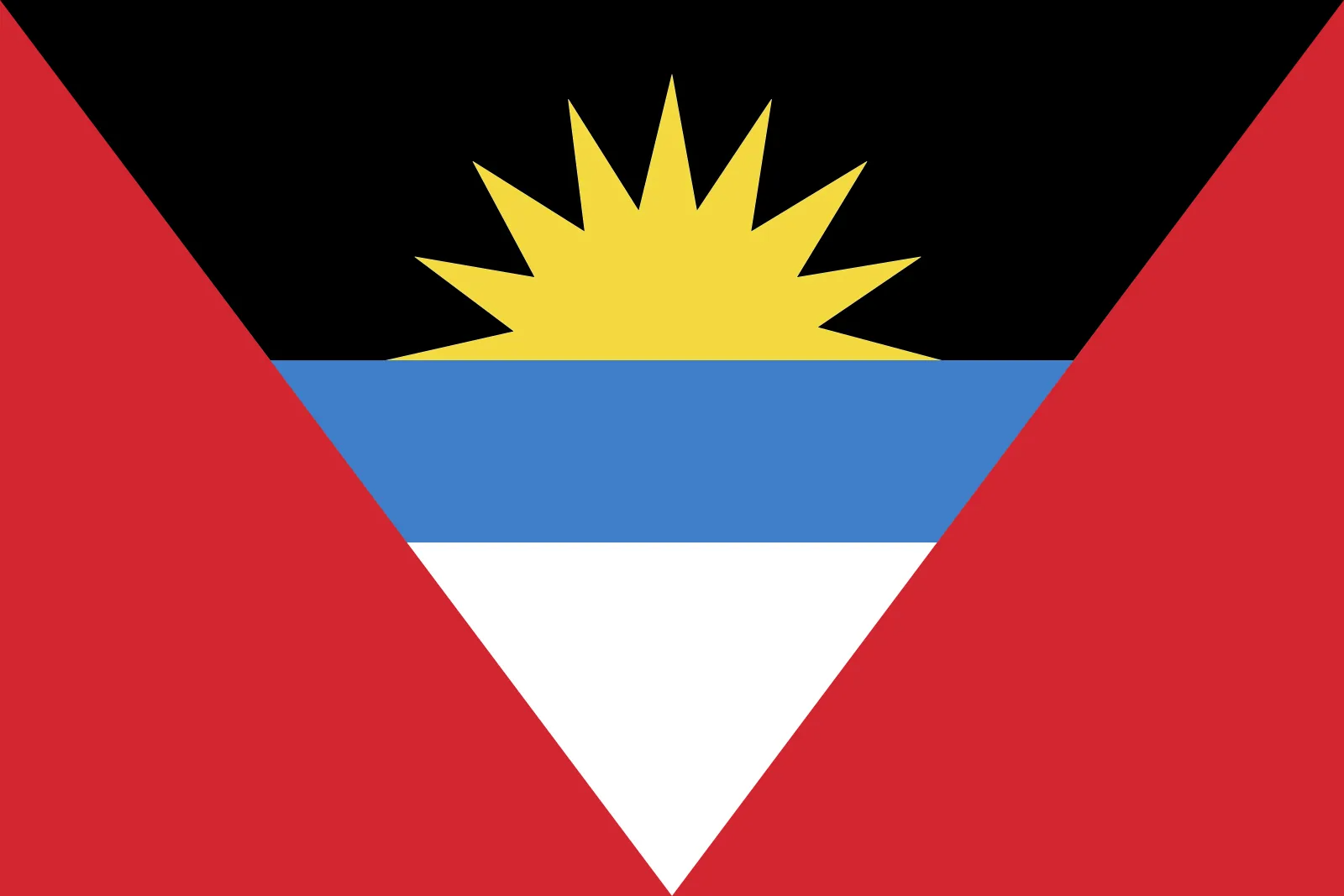
(ANTIGUA AND BARBUDA) — Prime Minister Gaston Browne said on July 8, 2026 that tightened U.S. visa rules are hurting trade, students and families in Antigua and Barbuda. He used the 51st CARICOM summit to press Washington to reverse measures that have sharply narrowed travel options for Antiguans.
Speaking in St. Lucia, Browne said, “The visa policy of the United States is undermining trade, commerce and even our students who require a visa to study in the United States.” He added, “We also have individuals who like to visit their relatives in the United States, and they too are affected.”
Browne also pointed to a possible policy shift that did not materialize. “I believe that it would have fallen on July 1st, even though we have not heard formally from anyone in the U.S. We’re still hopeful that it will not be repeated.”
Free toolDS-160 Form Filling Online Helper ToolU.S. Visa Policy Overhaul
The measures he criticized grew out of a wider U.S. visa policy overhaul that took effect at the start of the year. Under Presidential Proclamation 10998, effective Jan. 1, 2026, the United States restricted entry for nationals of 39 countries, including Antigua and Barbuda.
The proclamation reduced visitor visas for Antiguans from 10-year multiple-entry permits to single-entry visas valid for only three months. It cited security concerns tied to Antigua and Barbuda’s Citizenship by Investment program, known as CBI, and referenced what the United States described as deficiencies in screening and vetting.
Washington has argued that CBI programs can allow foreign nationals to conceal their identity and bypass travel or financial restrictions. A second measure deepened the pressure.
The State Department indefinitely paused immigrant visa issuance for nationals of 75 countries, including Antigua and Barbuda, effective Jan. 21, 2026. This was pending what it called a comprehensive review of public charge policies.
That pause covered a different part of the system from tourist and business travel. It hit families seeking permanent migration routes at the same time that short-term visitors faced tighter limits, leaving both temporary and long-term travel channels constrained.
Visa Bond Pilot Program
A third layer came through a visa bond pilot program under INA Section 221(g)(3). The program, in effect until August 5, 2026, requires some B-1/B-2 applicants to post refundable bonds of $5,000, $10,000 or $15,000 to ensure departure.
Business travelers have felt the combined effect of those rules most directly. A single-entry visa valid for three months means a new application for each trip, and the bond program adds a steep financial hurdle for some travelers already facing a narrow visa window.
Impact on Students and Families
Students face a different calculation. A visa that allows one entry and lasts 90 days complicates trips home during breaks and raises questions about how easily they can return to U.S. campuses after leaving.
Families have also been caught between the visitor restrictions and the immigrant visa pause. Browne’s remarks at the CARICOM summit framed the issue in practical terms, with relatives finding visits harder to arrange and, in some cases, harder to afford if a bond requirement applies.
The Antigua PM linked the restrictions to commerce as well as personal ties. His argument at the regional meeting placed the dispute inside a broader Caribbean concern that U.S. visa policy is reaching beyond border control and into trade flows, education and family life.
Diplomatic Dispute and Allegations
Browne has also accused Washington of using the rules as pressure in a separate diplomatic dispute. In June 2026, he alleged that the restrictions were a “bully” tactic meant to push Antigua and Barbuda into accepting a deal to receive deported third-country nationals, an arrangement his government refused to sign.
That allegation has sharpened a debate already running through the region. The United States has grounded its policy in security concerns around CBI screening, while Antigua and Barbuda has cast the dispute as one of sovereignty and coercion, with Browne arguing that visa restrictions should not be used to force unrelated migration concessions.
Judicial Intervention
Judicial action inside the United States has altered part of the picture, though not the visa rules Browne targeted in St. Lucia. On June 5, 2026, a federal court vacated hold policies that had allowed immigration cases tied to affected countries to sit in indefinite review.
USCIS acknowledged that ruling in a June 12, 2026 notice and said it would comply while contesting the decision. “On June 5, 2026, the U.S. District Court issued an order vacating PM 602-0192, PM 602-0194, and PA 2025-26. USCIS strongly disagrees with the Court’s order but will follow its terms pending possible further judicial review. The vacatur applies to [these policies], which should be treated as if they are not in effect.”
Courts in Rhode Island and Ohio struck down the indefinite hold approach, forcing USCIS to resume processing applications from the affected countries rather than leaving them in limbo. That court intervention dealt with USCIS processing policy, not State Department visa issuance, but it still marked one of the few formal checks on the wider restrictions now affecting Caribbean nationals.
The result is a split system. Some immigration applications that had been frozen must now move again after the court orders, while visitor visas remain sharply curtailed and immigrant visa issuance for Antigua and Barbuda stays paused under the separate State Department action.
Regional and Official Context
Browne’s complaint at the CARICOM summit landed in that overlap between visa issuance, immigration processing and diplomacy. The summit gave Antigua and Barbuda a regional stage, and his comments turned a national grievance into a broader Caribbean issue at a moment when governments across the bloc are weighing how far U.S. policy can reach into domestic choices such as CBI programs.
Official notices from Washington have laid out the framework behind the dispute. The White House published Presidential Proclamation 10998 on Dec. 16, 2025 at this page. The State Department posted the visa bond pilot program at this page, and immigrant visa processing updates at this page.
USCIS published its court-order notice on June 12, 2026 at this page. That notice, and the court rulings behind it, reopened processing for applications affected by the hold policies, even as Browne said the wider U.S. visa policy still reaches into “trade, commerce” and the ties between Caribbean families and the United States.
His remarks left the dispute where it now stands: Antigua and Barbuda is pressing its case in public, the United States is keeping the main visa restrictions in place, and Antiguans seeking to study, visit relatives or travel for business still face a system defined by single-entry three-month visas, an immigrant visa pause and, for some travelers, bonds of up to $15,000.