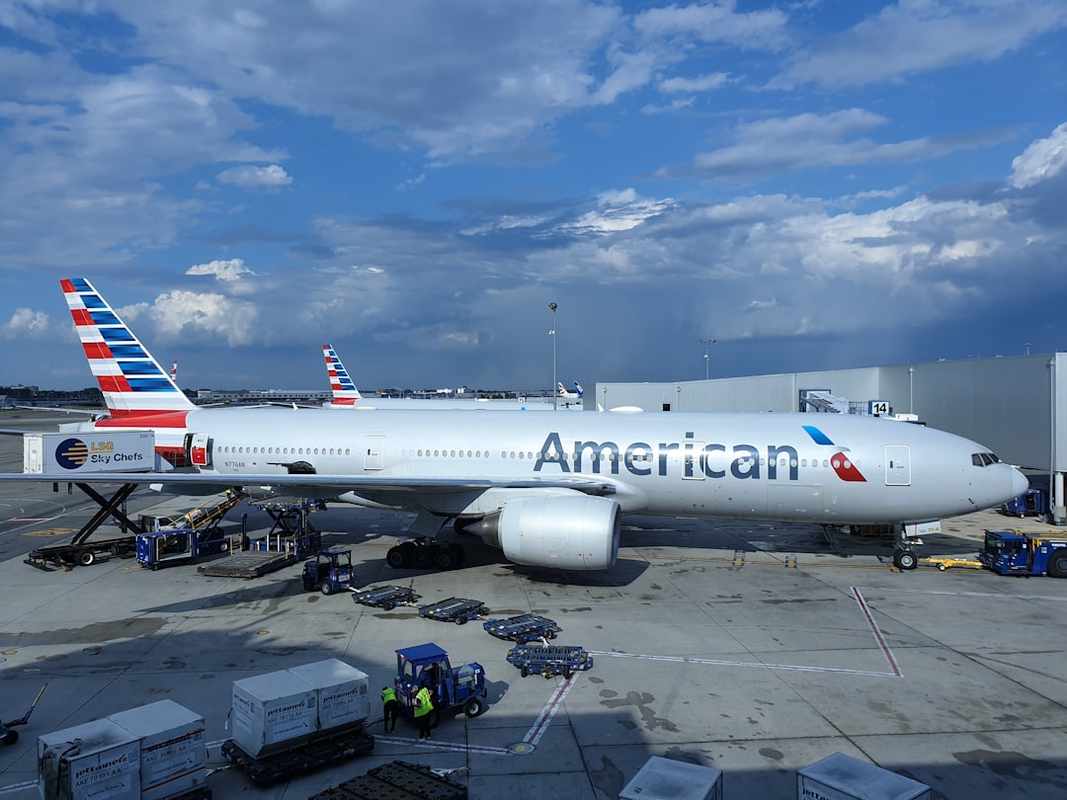
- A TikTok video alleging racial profiling in first class on American Airlines has gained ninety thousand views.
- The creator claims a flight attendant questioned her seat assignment following a dispute over overhead bin space.
- Official complaints for discrimination can be filed with the Department of Transportation if unequal treatment is proven.
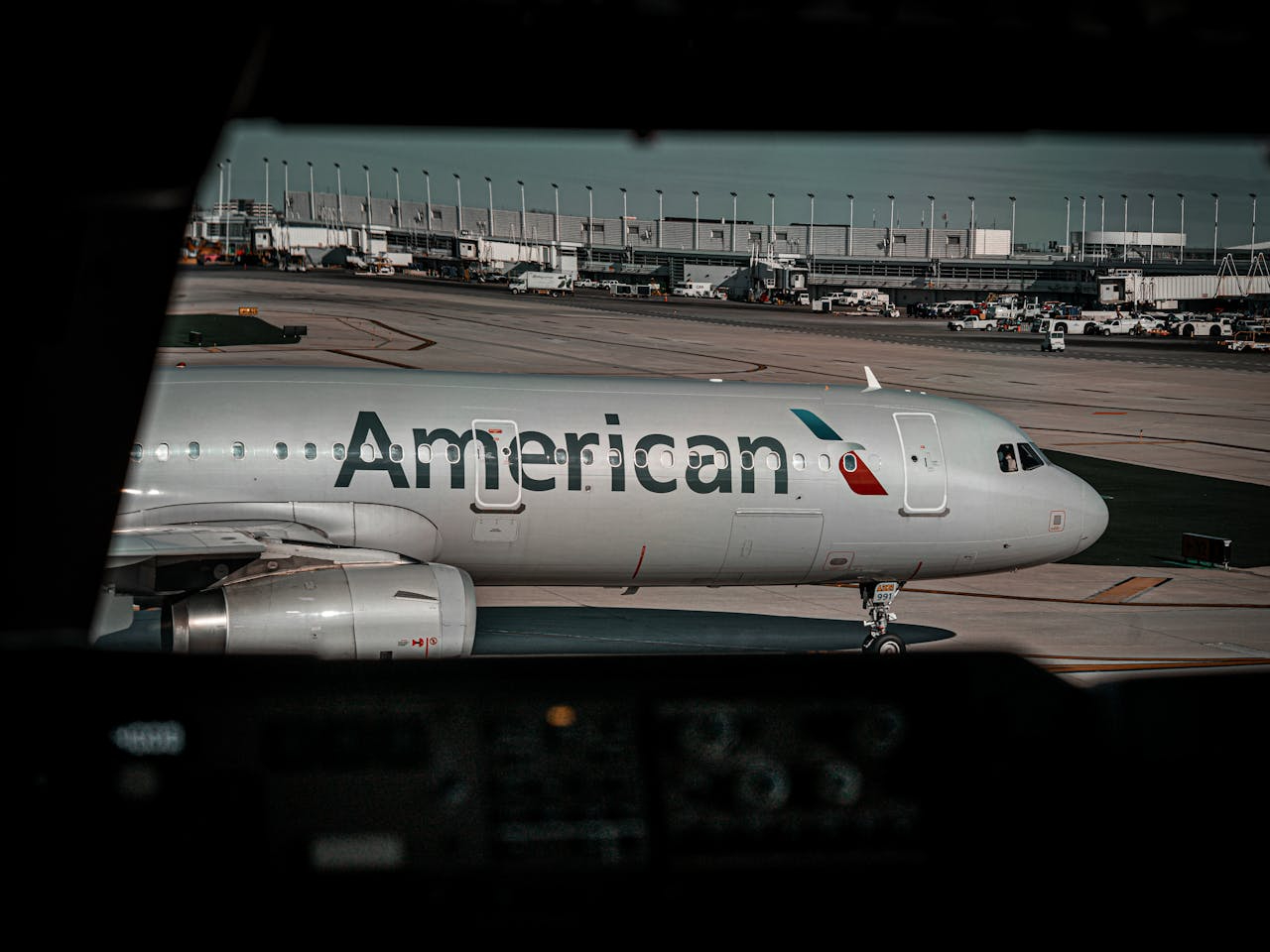
(MIAMI) — A TikTok video about an American Airlines first class seat on a flight to Miami has drawn more than 89,700 views and revived a familiar airline dispute: whether a passenger was mistaken for racial reasons or because of a simple boarding mix-up.
The creator, Big Sav, who posts as @savagedoll___, said a flight attendant asked to see her boarding pass after another passenger put his bag in her overhead bin. She said the man seemed convinced she did not belong in first class. The video, which shows her designer watch and handbag, ended up pushing the conversation far beyond one cabin and one flight.
Free toolB1/B2 Tourist Visa Stay Calculator online
Big Sav said she usually flies Delta but booked American Airlines for a last-minute trip to Miami. She did not name the flight attendant or the passenger. That detail matters because the clip does not show the full exchange, only her account of it after the flight.
American Airlines had not publicly responded to the specific incident as of July 7, 2026. The airline also had not identified any crew member involved. That leaves the video in the same place many airline flashpoints end up: visible to millions online, but short on verified facts.
First class boarding is usually straightforward. A passenger boards with a seat assignment, a boarding group, and a boarding pass that lists the cabin. The overhead bins above first class rows are often used by first class passengers first, then by other travelers if space remains. A misplaced bag alone does not prove anything, but asking to see a boarding pass is a normal way to confirm a seat assignment when there is confusion.
| Process | What it usually shows |
|---|---|
| Boarding pass | Passenger name, flight number, group, and seat |
| Seat assignment | Cabin and specific row, including first class |
| Overhead bin use | Typically first come, first served within the cabin |
| Crew check | Used to confirm a seat if a dispute starts |
That basic procedure has not stopped similar accusations from surfacing across U.S. airlines. Videos of passengers saying they were challenged over seats, dress, or presence in premium cabins have become regular social media fare. The claims do not all end the same way. Some are cleared up at the gate or on board. Others lead to formal complaints, public apologies, or no resolution at all.
Complaints tied to race on domestic flights can be filed with the Department of Transportation, which enforces rules against discrimination by airlines serving the U.S. market. Those complaints are not the same as a lawsuit. A passenger alleging discrimination usually needs evidence showing unequal treatment, not just a rude interaction. Written records, seat maps, boarding data, witness statements, and video can all matter if the case advances.
The legal backdrop also includes the Civil Rights Act and federal rules that bar discriminatory treatment in air travel. Remedies vary. They can include a refund, a settlement, agency action, or a civil case. The burden remains on the passenger to show that race, not confusion, was the reason for the treatment. That standard is hard to meet, which is one reason many disputes stay online instead of in court.
Airline loyalty also sits in the background here. Travelers who pay for first class expect a smoother boarding experience, better bin access, and less scrutiny at the seat. That expectation is part of the premium product American, Delta, and United all sell. If a crew member questions a first class passenger, the issue is not just embarrassment. It cuts into the value of the fare, the upgrade, and the status perks tied to premium cabins.
Delta has generally cultivated a stronger premium reputation than American among frequent flyers, especially on service consistency. American, by contrast, faces a more uneven consumer perception, which can make incidents like this spread faster. A single video does not establish a pattern on its own. It does show how quickly a cabin dispute can turn into a brand problem when the passenger has a camera in hand and a boarding pass in the frame.
Passengers who want to avoid disputes can keep the boarding pass visible during seat changes, verify the row before stowing bags, and ask crew to confirm the cabin if another traveler challenges a seat. On a full flight, that small paper or digital pass is still the fastest way to settle the question. If American responds, the airline will face one more test of how it handles premium-cabin friction when the evidence is already circulating online.