- Airlines in Spain now enforce strict pre-registration rules requiring up to forty-eight hours notice for pets.
- Flight pet quotas can lead to boarding denial even if health documentation is perfectly valid.
- New 2026 E-U health rules allow carriers to demand precise carrier dimensions and IATA compliance.
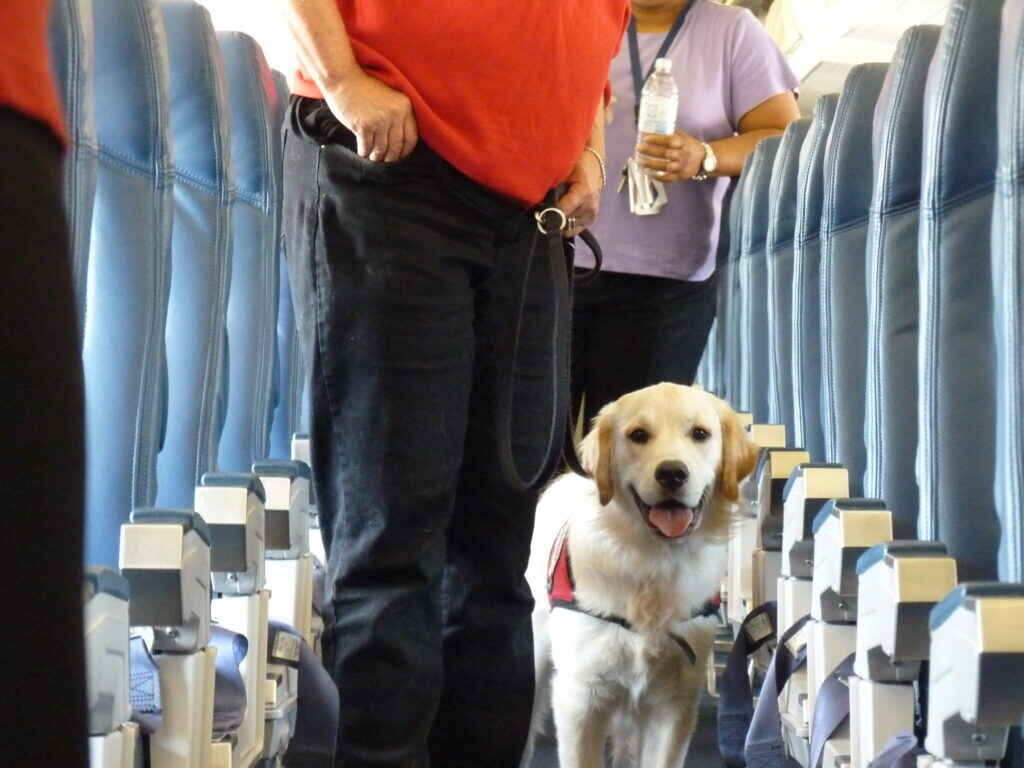
(SPAIN) — Airlines in Spain are tightening pet-boarding rules, and the biggest risk now sits at the check-in desk. A pet without the right pre-registration, paperwork, or carrier size can be turned away before the flight ever leaves the gate.
Some carriers are capping the number of animals per flight and asking for notice as early as 48 hours before departure. That matters because a full pet quota can mean denied boarding even when the ticket is paid and the animal has already been accepted on earlier legs.
Free toolSchengen Short-Stay Visa Calculator
The change tracks with the full application of 2026 EU animal-health requirements, which now give airlines more room to demand advance notice and tighter documentation. In practice, Spain-bound travelers face a stricter airline review before they ever reach border control.
The documents still start with the basics: a European pet passport, a microchip, and a rabies vaccination given at least 21 days before travel. Dogs heading to Finland, Ireland, Malta, Norway, or Northern Ireland also need tapeworm treatment within a narrow window, no more than 120 hours and no less than 24 hours before entry.
That extra paperwork is separate from airline approval. A pet can meet the health rules and still be refused if the carrier does not match airline standards or if the space allocation has filled up. On busy Spain routes, that is the operational choke point.
The table below shows the main difference between the old assumption and the current reality.
| Item | What travelers used to expect | What airlines in Spain are now enforcing |
|---|---|---|
| Pet approval | Acceptance at check-in if documents were valid | Advance pre-registration, sometimes 48 hours ahead |
| Space on board | Availability checked at the airport | Flight-level pet quota can close before departure |
| Carrier rules | Basic fit test at the counter | Strict carrier dimensions and IATA construction checks |
| Refusal risk | Mostly a border issue | Airline boarding denial is now the main risk |
Airline enforcement is the point where many trips unravel. If registration is incomplete, the carrier fails IATA requirements, or the quota is full, boarding can be denied. Missed flights are not always refundable, which turns a paperwork problem into a costly one.
Cabin-pet fees in Spain-market reporting range from €35 to €175 per leg. Cargo transport can run above €300 on long-haul trips. Those charges vary by airline, route, and pet size, and they can rise fast if a rebooking is needed.
⚠️ Heads Up: The airline, not the airport, is now the first gatekeeper for pet travel to Spain. A compliant pet can still be stopped if the reservation was never pre-approved.
The competitive picture is uneven. Some airlines in Europe still allow a small number of pets in cabin, but they differ sharply on notice periods, approved carrier sizes, and total pet capacity. Low-cost carriers are often the strictest, while legacy airlines may offer broader options, though not always on the same route.
That leaves travelers comparing not just fares, but pet acceptance rules before booking. Mileage and points bookings do not soften the rules. An award ticket on a partner airline still follows the operating carrier’s pet policy. A cheap redemption can become expensive if the airline refuses the animal or charges for last-minute rebooking. Elite status also does not override quota limits or carrier restrictions.
| Document or rule | Needed for Spain-bound pet travel |
|---|---|
| European pet passport | Yes, for standard EU travel |
| Microchip | Yes |
| Rabies vaccination | Yes, and at least 21 days old |
| Tapeworm treatment | Only for certain destinations, including Finland, Ireland, Malta, Norway, Northern Ireland |
| Airline pre-registration | Required by some carriers, with up to 48 hours notice |
| IATA-compliant carrier | Yes |
The checklist is straightforward, but the timing is not. Confirm the airline’s pet quota before payment, not after. Check the notice deadline, because some carriers want it 48 hours in advance. Make sure the microchip number matches the passport or certificate exactly. Carry the correct animal health certificate if the trip starts outside the EU.
Travel from outside the EU brings another layer of review. Third-country entry rules can require an animal health certificate, and airline staff will look at the paperwork before anyone gets to the border. That is especially important on routes from the UK, the US, and other long-haul markets feeding Spain.
The 2026 EU animal-health framework is now in force, and Spain’s airlines are using it to justify tighter controls. Cabin pets on busy routes are the first to feel the squeeze, since space is limited and airline policies now decide whether the trip goes ahead.
Book early, confirm the pet reservation in writing, and check the carrier size against the airline’s rules before departure. If the notice deadline is 48 hours, waiting until airport day is no longer an option.