- Vietnam Airlines Flight VN-thirty-four lifted off with ninety-one meters of runway remaining after speed issues.
- The Boeing seven-eighty-seven-nine suffered a tail strike and four burst tires during the August 2026 incident.
- Investigators are examining possible brake actuator faults that caused unintended drag during the takeoff roll.
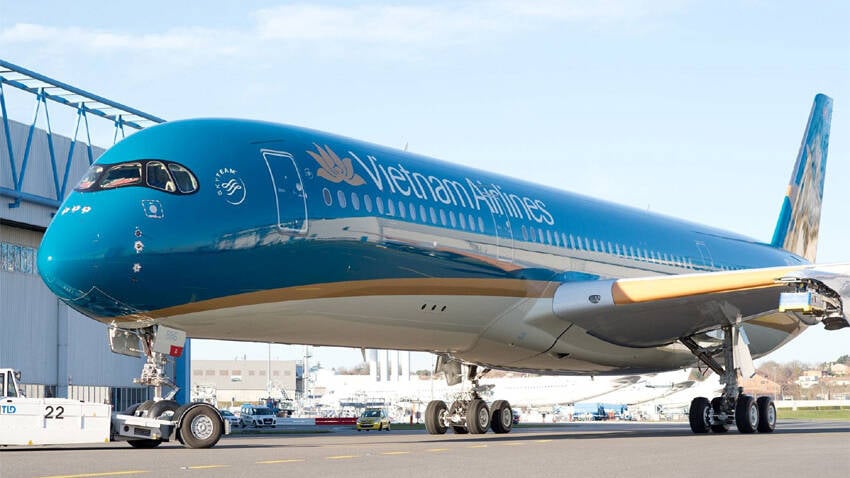
Vietnam Airlines Flight VN34 lifted off from Munich Airport with only 91 metres of runway remaining after the aircraft’s speed faltered during takeoff. The Boeing 787-9 was carrying 271 passengers and 16 crew members on a scheduled flight to Hanoi on August 15, 2026.
Everyone aboard remained safe. The aircraft became airborne near the end of runway 26L, then returned to the airport after circling for more than two hours while burning fuel.
Free toolB1/B2 Tourist Visa Stay Calculator online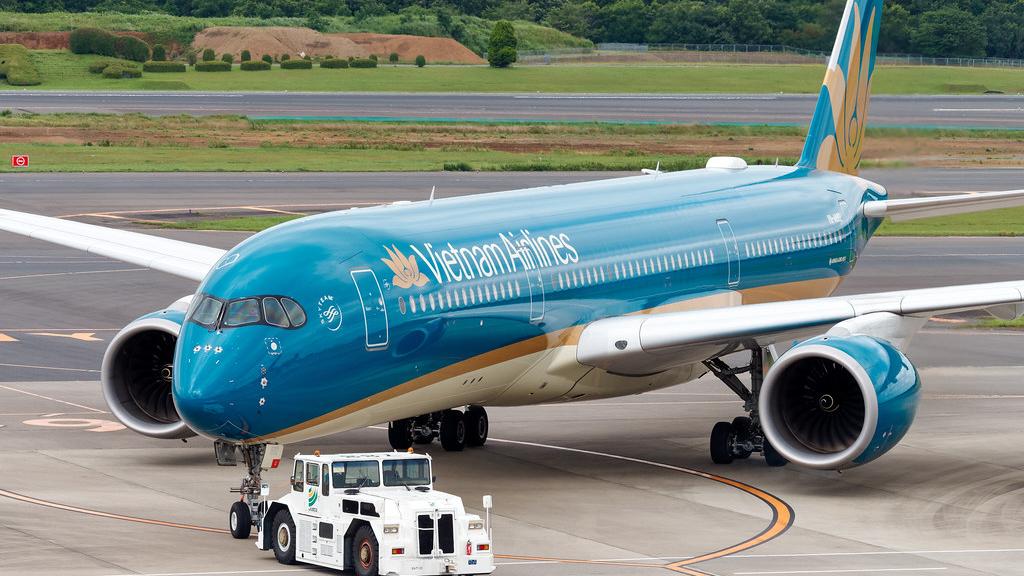
A preliminary account says the aircraft’s acceleration briefly stopped during the takeoff roll. Its speed later reached V1, then fell again, leaving the crew without enough runway to reject the departure safely.
Warnings followed. They indicated a possible tail strike and low tyre pressure.
The Civil Aviation Authority of Vietnam said, “After takeoff, warnings were triggered indicating contact between the aircraft's tail and the runway and low tyre pressure.”
The authority described the sequence in Preliminary Report No. 4711/BC-CHK, dated August 17, 2026. Its account places the aircraft roughly halfway along the runway when the speed stopped increasing.
“The aircraft's speed stopped increasing for approximately two seconds when it was roughly halfway down runway 26L. Afterward, the speed increased to V1, then decreased again. The flight crew assessed that there was insufficient distance to abort the takeoff. With about 300 feet (91 meters) of runway remaining, the pilot flying raised the nose.”
The pilot rotated the aircraft with about 91 metres left. The jet then crossed beyond the paved surface by approximately 120 meters, according to the additional incident account.
The crew burned fuel before bringing the damaged jet back
VN34 departed at about 1:45 p.m. local time, while another preliminary timeline gives approximately 1:57 PM. The aircraft landed back at 3:57 p.m.
It spent more than two hours in a holding pattern. That gave the crew time to burn fuel before attempting the return landing.
The airline described the cause as a “technical issue.” It said the crew followed required safety procedures and that passengers and cabin crew members were safe.
Inspections found a tail strike and four burst tyres. The damage left the aircraft unable to taxi under its own power after landing.
The aircraft carried 287 people in total. No physical injuries were reported.
The aircraft was below its maximum takeoff weight
The aircraft involved was registered as VN-A867 and was described as approximately 10 years old. Four Vietnamese pilots operated the flight: three captains and one first officer.
Their combined experience totaled 63,938 flight hours, including 19,675 hours on the Boeing 787. The departure took place in “good” weather with light winds.
The aircraft’s reported takeoff weight was approximately 240 metric tons, below its maximum takeoff weight of 247.2 tons.
| Takeoff detail | Reported figure |
|---|---|
| Passengers | 271 |
| Crew | 16 |
| Aircraft registration | VN-A867 |
| Runway | 26L |
| Runway length | 4,000 meters / 13,123 feet |
| Remaining at rotation | 91 meters / 300 feet |
| Approximate takeoff weight | 240 metric tons |
| Maximum takeoff weight | 247.2 tons |
The flight used runway 26L, which measures 4,000 meters, or 13,123 feet. Investigators are examining why the aircraft needed so much of that available distance before lifting off.
Preliminary evidence points to a possible brake fault or electric brake actuator issue on the main landing gear. Such a fault may have created unintended drag during acceleration.
That mechanical explanation remains a possibility, not an established final cause. The aircraft, its systems and its recorded data remain under examination.
The return landing closed a runway and scattered tire debris
Videos recorded by airport observers and passengers show the aircraft raising a large cloud of dust as it crossed into the grassy area beyond the runway. The tail made substantial contact with the ground.
Four burst tires were found on the right main landing gear. Tire debris then had to be removed from the runway.
The return landing disabled the airport’s north runway, 26R, for several hours. Crews had to tow the aircraft, and the cleanup caused delays for other flights.
One passenger described the experience in stark terms:
“We thought this was the end of us.”
The aircraft remained at the airport for inspection after the return. Its tail damage and landing-gear failures formed part of the evidence being reviewed by investigators.
German and Vietnamese investigators secured the recorders
German and Vietnamese authorities have opened investigations into the incident. Germany’s Bundesstelle für Flugunfalluntersuchung, known as the BFU, is examining the flight data and cockpit voice recorders.
The recorders have been taken to the agency’s headquarters in Braunschweig. Investigators are focusing on why the takeoff roll lasted much longer than usual.
The Vietnamese preliminary report records the crew’s observations during the acceleration phase. It also gives investigators a timeline for the brief loss of acceleration, the later speed reduction and the decision to continue the takeoff.
Vietnam’s Ministry of Construction ordered the Civil Aviation Authority of Vietnam and the airline to establish a direct communication channel with German authorities. That arrangement is intended to support participation in the German-led probe.
The Vietnamese authority also received instructions to “strengthen safety oversight of aviation personnel training” and conduct a comprehensive review of all flight safety processes.
Investigators are assessing both the aircraft and the operating environment. The recorder analysis in Braunschweig is expected to help establish whether a system fault, another technical problem or an airport-related factor caused the unusually long roll.
A second runway incident widened the airport review
A separate runway incident at the same airport drew additional scrutiny 48 hours later. On August 17, a Lufthansa Airbus A380 operating Flight LH459 struck threshold lights while landing on runway 26L.
Investigators are assessing whether the two events share any environmental or infrastructure factors. The separate landing incident occurred two days after VN34’s departure.
The Vietnamese safety review now covers training oversight and flight safety procedures, while German investigators examine the recorders and aircraft damage. The Ministry of Construction’s order also requires continued communication between the Vietnamese authority, the airline and German officials as the probe proceeds.