- A Vietnam Airlines flight exceeded the runway during a late takeoff rotation at Munich Airport.
- The Boeing 787-9 sustained significant tail-strike damage and struck runway lights before returning safely.
- Investigators are examining weight-and-balance errors and possible mechanical faults that hindered aircraft acceleration.
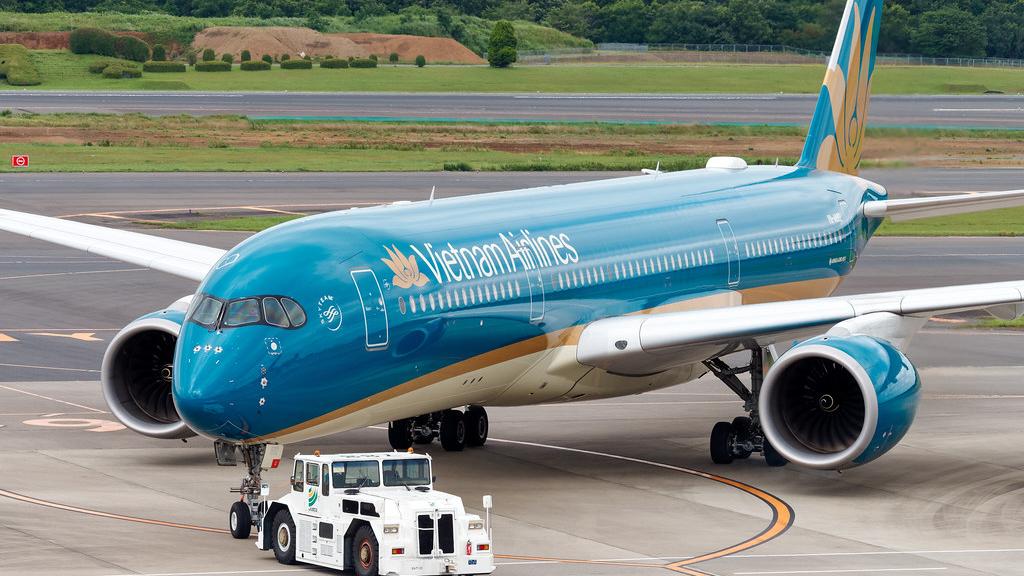
Vietnam Airlines flight VN34 crossed about 120 meters beyond the end of runway 26L during takeoff at Munich Airport on August 15, 2026, before becoming airborne and returning safely. The Boeing 787-9 Dreamliner was bound for Hanoi when it rotated unusually late, apparently struck its tail and damaged runway lights near the approach area.
The aircraft, registered VN-A867, began its takeoff roll at approximately 1:57 p.m. local time. It traveled beyond the paved runway into the grass, sending dirt and dust into the air, then climbed away.
Free toolB1/B2 Tourist Visa Stay Calculator online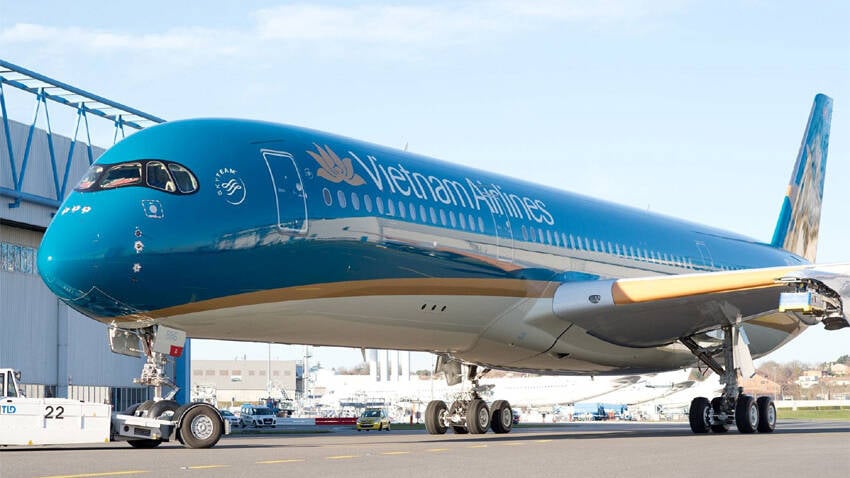
The crew reported a “technical issue” after departure. The aircraft later circled near Munich for roughly 90 minutes to about two hours while reducing its fuel load before landing back at the airport.
The carrier said everyone aboard was safe.
“The flight crew followed all required procedures and landed safely at Munich Airport. The passengers and cabin crew members are safe,”
The flight reportedly carried as many as 274 passengers and crew members. A German Federal Bureau of Aircraft Accident Investigation representative was on site, and the BFU has opened a preliminary investigation.
The 4,000-meter runway was not long enough to contain the takeoff roll
Runway 26L is 4,000 meters long, or 13,123 feet. The aircraft remained on the ground until it had passed the paved end, according to the incident details.
It lifted off near the approach lights. The tail appears to have struck the runway during the late rotation, while tire and landing-gear damage were suspected after the return flight.
Spotter Thomas Mai, who filmed the departure, said the aircraft was still on the ground as it passed the Lufthansa Technik hangars. Long-haul aircraft would typically be airborne near that point, based on his account.
The sequence left the aircraft damaged but flying. Its return created a second operational problem on the ground.
The return landing left the aircraft disabled and closed a runway
The crew landed on runway 26R after holding over the area. The aircraft then became disabled with shredded tires, requiring airport crews to secure the jet and inspect debris.
The airport closed its northern runway for several hours after the incident. Traffic shifted to the southern runway, producing minor delays for other flights.
Passengers left the aircraft after it stopped on the taxiway. Accounts differed over the method: some described emergency slides, while others said mobile stairs were used.
The airline said it was arranging “support and alternative travel for affected passengers.” No injuries were reported.
| Incident detail | Reported information |
|---|---|
| Flight | VN34, Munich to Hanoi |
| Aircraft registration | VN-A867 |
| Departure runway | 26L |
| Return runway | 26R |
| Departure runway length | 4,000 meters (13,123 feet) |
| Distance beyond runway end | About 120 meters (394 feet) |
| Takeoff-roll start | Approximately 1:57 PM local time (CEST) |
| Time circling before return | Roughly 90 minutes to two hours |
The aircraft remained on the apron on August 16. Engineering assessments indicated that damage to the tail-strike module and aft composite skin could require several months of specialized repairs before the aircraft becomes airworthy again.
Investigators are examining the late rotation and possible acceleration problems
Aviation engineer Fahad Naim described visible damage as a “clear puncture through the lower fuselage” and “heavy scrape marks along the aft composite structure.” Those observations describe the aircraft’s condition, not the cause of the takeoff problem.
Preliminary flight data indicated that the jet spent 90 to 120 minutes circling at 10,000 feet while dumping fuel. Lowering the aircraft’s weight allowed the crew to prepare for a safer return landing.
Analysts have raised possible weight-and-balance errors, including an incorrect “Zero Fuel Weight” entry in the flight computer. They have also speculated that a fault in electric brake actuators could have hindered acceleration.
Those possibilities remain under examination. The runway lights may also have been damaged when the aircraft crossed the runway end.
The BFU’s preliminary work is focused on why the aircraft rotated so late and how the tail strike, runway excursion and suspected mechanical problem relate to one another.
The aircraft and crew remain out of service during the investigation
The carrier has temporarily suspended the flight crew involved while the investigation proceeds. The step does not establish a finding about the crew’s conduct.
VN-A867 is approximately 10 years old and remains grounded at Munich. Inspectors are assessing the lower fuselage, aft composite structure, tail-strike components, tires, landing gear and any other damage sustained during the departure and return.
The incident also left the airport managing runway inspections, debris clearance and traffic diversions after the aircraft came back. The BFU investigation was open as of August 16, 2026, while the jet remained unavailable for service.