- Great Britain residents can no longer use EU pet passports to enter the bloc with dogs, cats or ferrets.
- Travellers now need an Animal Health Certificate, valid 10 days for entry and 6 months for EU movement.
- Rules also cap travel at 5 pets per vehicle and require rabies vaccination, microchipping and approved entry points.
(GREAT BRITAIN) — The European Union tightened its pet travel rules on April 22, 2026, barring Great Britain residents from using EU pet passports to take dogs, cats or ferrets into the bloc and requiring an Animal Health Certificate instead.
The change took effect on Wednesday and applies to non-commercial movements from Great Britain, meaning England, Wales and Scotland. It ends a 10-year post-Brexit transition period under Regulation (EU) 2016/429.
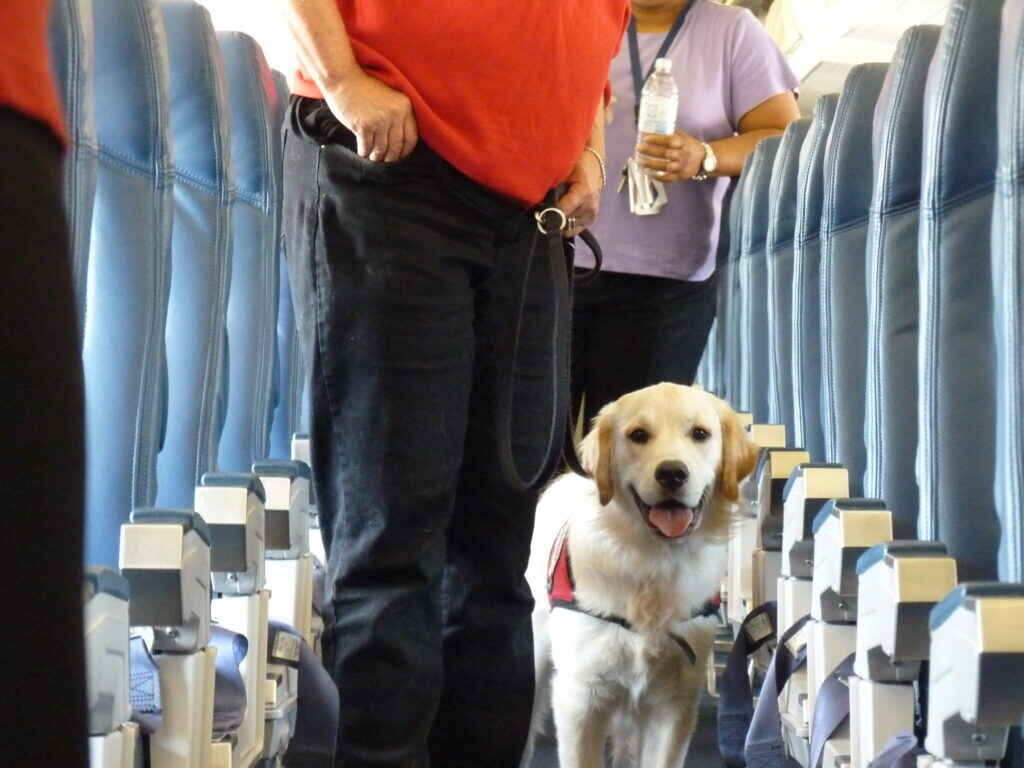
British residents who want to travel with pets now need an official vet-issued certificate that confirms the animal meets the EU’s entry standards. The certificate is valid for 10 days for entry into the EU, then for 6 months for travel within the EU or return to Great Britain.
That marks the clearest break yet from the post-Brexit arrangements many pet owners had continued to rely on. EU pet passports issued before the rule change to Great Britain residents, including residents who hold EU or Northern Ireland passports, no longer qualify for entry into the EU under the new rules.
Only owners whose main residence is in the EU can continue using an EU-issued pet passport for that purpose. Great Britain residents must now use the new paperwork even if they previously travelled under an older passport system.
The rule change also resets how many animals can travel in a private vehicle. The new ceiling is 5 pets per vehicle, not per person, while foot passengers remain limited to 5 pets per person.
Exceptions remain for competitions and events, but owners must carry proof. Pets also must travel with the owner, or within 5 days of the owner’s journey.
If someone else transports the animal, the carrier must have written permission from the owner attached to the Animal Health Certificate. The rule applies to the same category of non-commercial travel covered by the wider change.
Under the new system, a pet must first be microchipped before travel. The microchip must be implanted before, or at the same time as, the animal receives its rabies vaccination.
The chip also has to meet Annex II technical standards, unless the animal has a readable tattoo applied before July 3, 2011. That detail matters because border authorities can check the animal’s identity against the travel documents.
Rabies vaccination remains a central condition for entry. The animal must be at least 12 weeks old when it receives the vaccination, and owners must then wait 21 days after the primary vaccination before the certificate can be issued.
That waiting period affects travel plans immediately. Because the certificate itself can be issued no more than 10 days before travel, owners need to build the vaccination schedule and the certification window into the same trip timeline.
Some animals will also need a rabies antibody test. That requirement applies to non-EU countries like Great Britain if the country of origin falls within the category that requires the test.
Dogs face one more rule when entering certain countries. A tapeworm treatment is mandatory 1-5 days before arrival in Finland, Ireland, Norway or Malta, and an Official Veterinarian must record that treatment on the certificate.
Border checks do not stop at paperwork. Owners must use designated Travellers’ Points of Entry, where authorities can inspect documents, scan the microchip and review the animal’s travel history.
Non-compliance carries hard consequences under the EU regime. Authorities can return the animal, place it in quarantine or order euthanasia.
The new framework replaces a document many travellers had treated as routine. EU pet passports had continued to circulate among some Great Britain residents after Brexit, but the rule taking effect on Wednesday closes that route for those whose main residence is not in the EU.
That leaves the Animal Health Certificate as the standard document for most Great Britain residents travelling with pets to the EU. The certificate must come from an official veterinarian and must reflect the pet’s microchip, rabies vaccination record and any treatment required for the destination.
The process now follows a fixed order. The pet must be microchipped if it has not already been, vaccinated against rabies once it is old enough, and then taken to an Official Veterinarian no more than 10 days before departure for the certificate.
Owners or authorised persons must then travel with the animal through an approved route and present the original certificate, proof of the microchip, vaccination records and tapeworm treatment details where required. Those documents sit at the centre of the new compliance check.
The rule change covers dogs, cats and ferrets, and it applies to non-commercial travel from Great Britain into the EU. It does not place Northern Ireland in the same category.
Northern Ireland uses a different system. Travellers there need a Pet Travel Document, or PTD, instead of an Animal Health Certificate, and Northern Ireland does not require rabies or tapeworm measures under that route.
That distinction matters for households used to moving between parts of the United Kingdom and the EU under different arrangements. A traveller leaving from Great Britain now faces a different set of obligations from someone travelling under the Northern Ireland document regime.
The change also turns timing into the most sensitive part of planning. An owner cannot leave the rabies vaccination to the last minute because the animal must be old enough for the jab, then complete the 21-day waiting period, and only then visit the official vet inside the final 10-day pre-departure window.
Owners taking dogs to Ireland, Finland, Norway or Malta must add the tapeworm treatment schedule on top of that. The treatment has to fall within the final 1-5 days before arrival and has to be entered by the veterinarian on the travel document.
The 5-pet cap also changes how larger households and hobby breeders organise trips. Anyone travelling with more than five animals for a competition or event must be ready to show registration evidence that fits the exception.
Wednesday’s rule change makes documentation, identity checks and vaccination status the three pillars of pet travel from Great Britain to the EU. Without them, a journey that once relied on EU pet passports now stops at the border.
For British residents heading to Europe with a dog, cat or ferret, the new order is straightforward but stricter: microchip first, complete the rabies vaccination schedule, secure an Animal Health Certificate from an official vet, and arrive at an approved entry point with the original papers in hand.