- Lufthansa Group will cut 20,000 summer flights to reduce fuel consumption amid surging jet fuel prices.
- The reductions target unprofitable short-haul routes linked to major hubs in Frankfurt and Munich.
- Lufthansa is accelerating fleet modernization by deploying Airbus A350s while retiring older, fuel-intensive aircraft.
(FRANKFURT, GERMANY) — Lufthansa Group said on April 16, 2026, that it will cut 20,000 flights from its summer schedule, trimming mainly short-haul services as it tries to save more than 40,000 metric tonnes of jet fuel after prices surged in the wake of the Iran conflict.
The airline group said the reductions amount to less than 1% of total available seat kilometres, or ASK, the industry measure that combines seats offered with distance flown. Cuts will fall chiefly on short-haul flying.
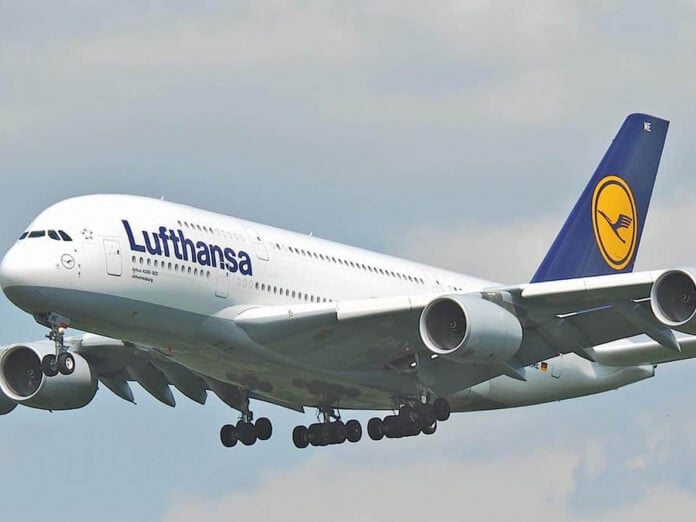
Lufthansa aimed the changes at loss-making routes linked to its hubs in Frankfurt and Munich through Lufthansa CityLine. The focus is on short- and medium-haul platforms, where the company is trying to improve competitiveness while fuel costs rise.
Till Streichert, chief financial officer of Lufthansa Group, called the measures “unavoidable” because of “sharply increased kerosene costs and geopolitical instability.” His remarks tied the schedule cuts directly to a jump in fuel bills and the pressure that creates on routes that were already struggling.
The company paired the schedule reductions with fleet changes. Lufthansa is retiring older, fuel-intensive aircraft including the Airbus A340-600, grounding some Boeing 747-400s, and accelerating deployments of the Airbus A350.
That fleet strategy shifts the burden of savings beyond the timetable. Lufthansa is trying to reduce fuel burn not only by flying fewer sectors, but also by moving faster toward aircraft that consume less fuel than older long-haul types.
The emphasis on short-haul and medium-haul flying reflects where the group says it can make immediate adjustments. A small cut in ASK can still remove thousands of flights when an airline operates a large network, especially around major hubs such as Frankfurt and Munich.
Jet fuel prices have more than doubled since the Iran conflict outbreak. That rise has pushed airlines to rework schedules, remove unprofitable services and reexamine which aircraft make economic sense at current fuel levels.
Other European carriers have started taking similar steps. KLM Royal Dutch Airlines cut around 80 European return flights last week, also less than 1% of its network, after rising fuel costs made some routes unviable.
KLM also extended cancellations in the Middle East, keeping Riyadh, Dammam and Dubai off its schedule through mid-June amid regional uncertainty. Those changes show how the market disruption has spread beyond airline balance sheets and into route planning tied to security and operating risk.
Lufthansa Group’s decision leaves its summer network slightly smaller, but more tightly aligned with current costs. By cutting 20,000 flights, targeting weaker short-haul routes and speeding up Airbus A350 deployment while older aircraft leave the fleet, the company is trying to absorb a fuel shock that has rippled across Europe’s airline industry.