- Aer Lingus cancelled over 500 flights for the 2026 summer season due to maintenance and fuel shortages.
- A new policy requires a valid passport or passport card for all travel between Ireland and Great Britain.
- Alternative IDs like driving licences are no longer accepted for boarding on these specific international routes.
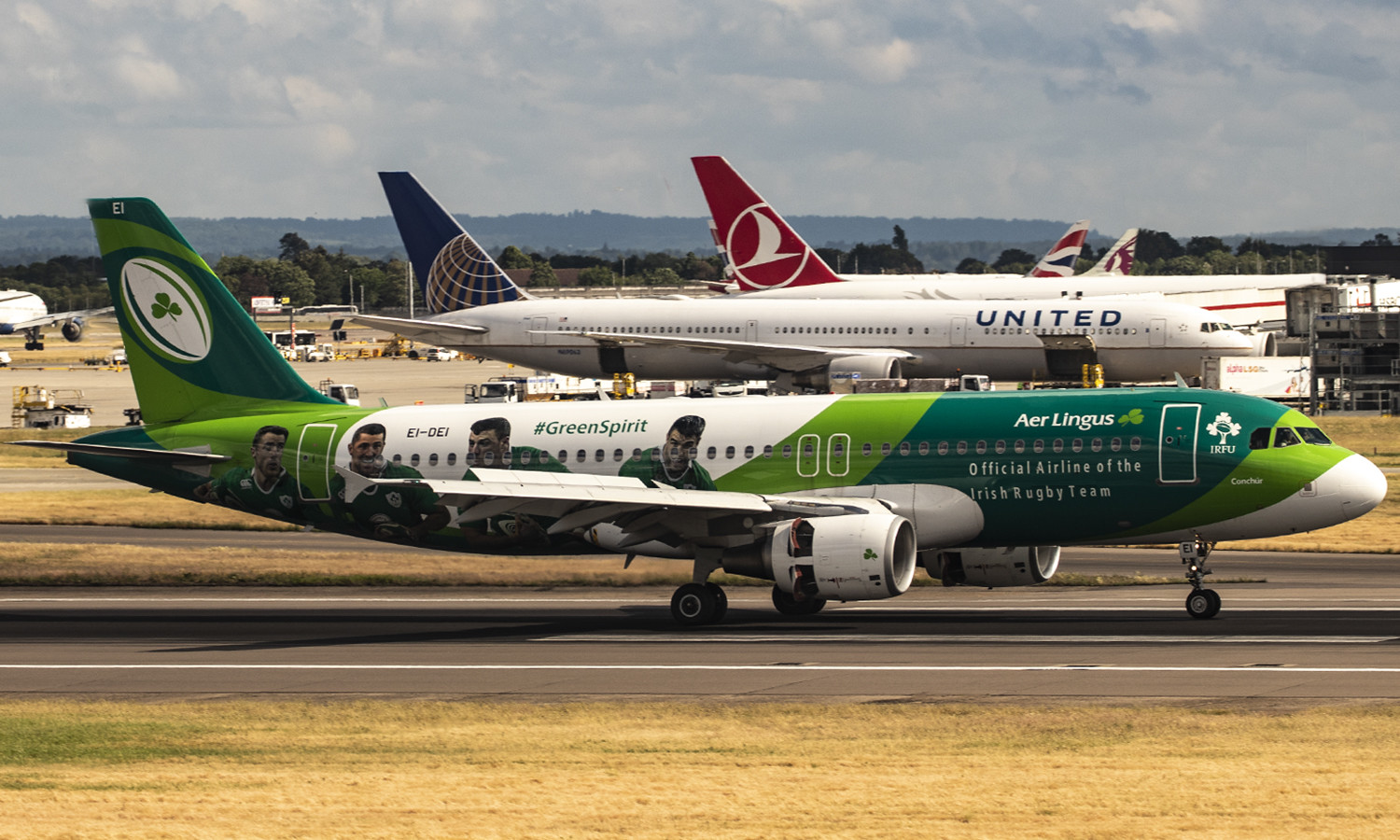
(IRELAND) — Aer Lingus has cancelled over 500 flights from its summer 2026 schedule, cutting about 2% of total operations as mandatory aircraft maintenance collides with a Europe-wide jet fuel shortage linked to the Gulf conflict and disruptions in Iran.
The cancellations affect domestic, European, transatlantic and UK routes, hitting passengers traveling through Dublin, Shannon and Cork. Aer Lingus said most affected passengers have been re-accommodated on same-day alternatives.
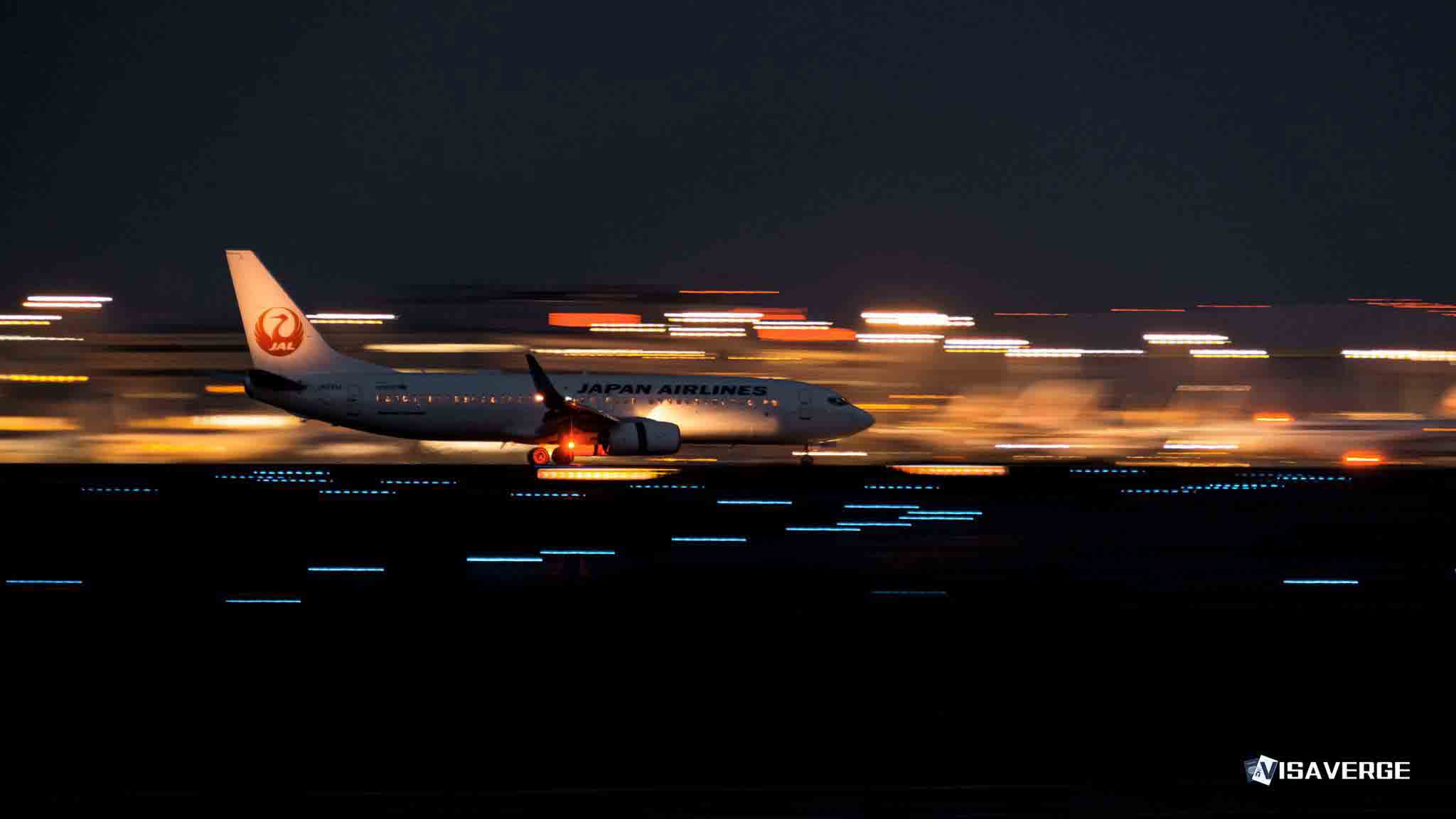
Thousands of passengers are affected across the three airports. The carrier’s move places pressure on one of the busiest parts of the travel calendar, with 500 summer flights removed from a schedule that still covers the full range of the airline’s network.
Among the long-haul routes affected are Dublin services to Seattle, San Francisco, Minneapolis–St. Paul and Toronto. Short-haul reductions include Amsterdam, Athens, Berlin, Faro and Zurich, while the cuts also reach high-frequency UK services such as London Heathrow, Manchester, Birmingham, Edinburgh and Newcastle.
Regional Irish airports face lighter disruption than the main gateways. Still, the spread of the cancellations across transatlantic, European and UK flying shows that the reductions are not confined to one part of the network.
The operational changes come amid a fuel supply strain that Aer Lingus tied to the Gulf conflict and disruptions in Iran. At the same time, the airline said mandatory aircraft maintenance drove the decision to pull flights from the summer program.
A separate change now affects documentation on UK-Ireland routes. From February 25, 2026, Aer Lingus requires all passengers flying between the Republic of Ireland and Great Britain to present a valid passport or Irish passport card.
The new passport rule covers Irish and British nationals as well as other passengers. IDs that Aer Lingus had previously accepted on those routes, including bus passes, work IDs, driving licences, Garda age cards and student cards, no longer qualify.
The policy applies on international services between the Republic of Ireland and Great Britain, including routes linking London, Manchester and Birmingham with Dublin, Cork and Shannon. Aer Lingus framed the change as an effort to align UK-Ireland procedures with standards across its wider network and said the move follows Ryanair’s longstanding policy.
Some flights sit outside the new requirement. Exemptions include domestic services such as Belfast-UK and Dublin-Donegal, along with Aer Lingus Regional flights operated by Emerald Airlines.
Children and infants must also carry their own passport, Irish passport card or EU ID where that option applies. Non-British and non-Irish nationals traveling on the affected routes need a UK ETA or eVisa in addition to the airline’s ID requirement.
Aer Lingus has set a hard line on enforcement. The airline said there are no exceptions, and passengers without the required document will be denied travel, though dedicated phone lines are available for urgent cases.
The rule marks a shift in airline practice rather than a change in border law. Under the Common Travel Area, in place since 1923, there is no legal requirement for passports on travel between Ireland and the UK, the Isle of Man and the Channel Islands, but airlines can impose stricter identification standards for boarding.
That leaves a patchwork across the market. British Airways continues to accept other forms of photo ID on select Common Travel Area routes, including London Heathrow and London City services to Dublin, while ferry operators and land travel between the Republic and Northern Ireland still offer more flexible ID options.
Passengers booked on Aer Lingus flights between Great Britain and the Republic now face a simpler but stricter rule set. A passport or Irish passport card is accepted; driving licences, student cards and workplace badges are not.
The timing of the documentation change matters because it intersects with a summer schedule already under strain. A traveler shifted from one cancelled flight to another same-day Aer Lingus service still needs documents that meet the new boarding standard if the route falls between Great Britain and the Republic.
Aer Lingus has concentrated the rule on routes touching Dublin, Cork and Shannon on one side and Great Britain on the other. Belfast-related domestic flying and some regional operations remain under different arrangements, which means passengers on nearby routes may face different boarding checks depending on the airport pair and the operating carrier.
The distinction matters on the ground because many passengers on UK-Ireland services have long treated those flights differently from other international trips. The end of acceptance for informal photo IDs removes that habit in one step, replacing it with a document standard that matches what Aer Lingus uses elsewhere on its network.
The airline’s summer disruption also reaches different types of demand at once. Business travelers on London Heathrow rotations, leisure passengers heading to Faro or Athens, and long-haul customers booked to Seattle or San Francisco all fall within the same round of schedule cuts.
Even with most passengers moved to same-day alternatives, the cancellations reduce spare capacity across a period when flights already operate tightly. Re-accommodation can keep journeys intact, but it does not erase the pressure on airport operations in Dublin, Shannon and Cork once hundreds of services disappear from the published schedule.
Aer Lingus has paired the operational changes with a clear message on documents: check them before travel. That is now especially important for passengers who have crossed between Ireland and Great Britain in the past using photo ID that is no longer accepted.
Anyone traveling on these routes needs to verify both the airline’s identification rules and, where relevant, UK entry permission requirements tied to nationality. Non-British and non-Irish nationals face that extra layer through the ETA or eVisa requirement, while families must make sure each child or infant has the correct document in hand.
The practical effect is plain at check-in and the gate. Aer Lingus passengers on covered Great Britain-Republic routes who arrive without a passport or Irish passport card will not board, even though other carriers on some Common Travel Area services still accept broader forms of ID.
Summer travelers now face two separate checks before departure: whether their Aer Lingus flight is still operating, and whether their documents meet the airline’s updated rule. On a network trimmed by over 500 flights, missing either one can stop a trip before boarding begins.