- Wisconsin sheriffs face legal risks over ICE detainers due to a lack of state statutory authority.
- The state Supreme Court is reviewing 287(g) agreements to determine if they violate Wisconsin law.
- Critics argue holding individuals past release dates constitutes an unlawful arrest under current state statutes.
(WISCONSIN) — Wisconsin sheriffs who comply with outdated ICE detainer policies or keep Section 287(g) agreements in place face legal risk because those actions lack authorization under state law, according to a 2023 Wisconsin Law Review comment and a pending case before the Wisconsin Supreme Court.
Ben Levey, writing in the Wisconsin Law Review in 2023, argued that holding someone on an ICE detainer amounts to an arrest without a statutory basis in Wisconsin law. He also argued that Section 287(g) agreements are invalid in Wisconsin because federal law requires those agreements to align with state law, and Wisconsin law does not authorize that detention authority.

The issue now sits in active litigation. In 2025AP002121, petitioners told the Wisconsin Supreme Court that sheriffs cannot hold people past their release dates on ICE detainers or warrants, while respondents argue the holds occur under state criminal processes or federal custody through 287(g) Warrant Service Officer Programs.
The legal dispute reaches beyond one jail booking decision. It centers on whether Wisconsin sheriffs have authority to detain people for civil immigration violations at all, and whether agreements with ICE can supply powers that state law does not grant.
Levey’s analysis framed the first problem around detainer compliance. Wisconsin sheriffs, he wrote, lack state statutory authority to arrest or detain people for civil immigration violations, and no Wisconsin statute permits a sheriff to keep someone in custody past a release date because ICE has issued a detainer.
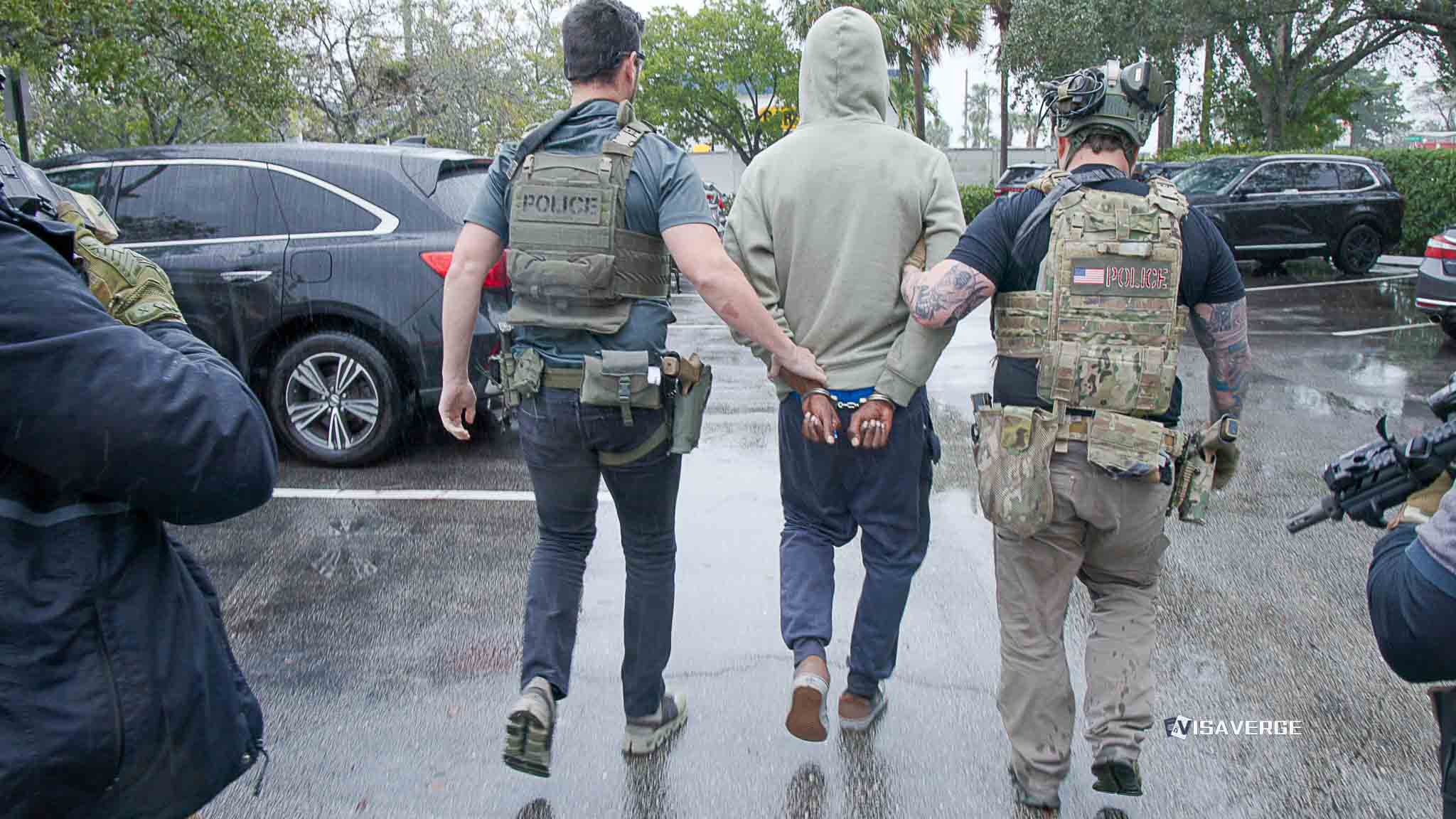
That matters in practical terms for jail operations because an ICE detainer requests continued detention after a person would otherwise be released. In Levey’s analysis, that continued hold functions as an arrest, and Wisconsin law does not provide the statutory basis for it.
The second dispute concerns Section 287(g), the federal program that allows local officers to perform certain immigration enforcement functions, including serving administrative warrants. Under INA § 287(g), those agreements must be consistent with state law, and Levey argued Wisconsin law does not authorize a core feature of those agreements because it does not authorize detainer compliance.
He also argued the agreements were entered without proper state-level authority. That leaves Wisconsin sheriffs exposed on two fronts at once: for honoring an ICE detainer without state authorization, and for relying on Section 287(g) arrangements that critics say never fit Wisconsin law in the first place.
As of August 2022, only five sheriffs, in Milwaukee, Dane, Door, Oconto, and Shawano Counties, had policies prohibiting compliance with ICE detainers, according to the 2023 law review comment. Nearly half of Wisconsin sheriffs were using a Lexipol template that Levey described as problematic.
The number of agencies tied to federal immigration enforcement has grown since then. The ACLU of Wisconsin reports 15 law enforcement agencies with active Section 287(g) agreements and 4 counties that are paid to detain or transport people for ICE.
Recent examples show the program remains active. Winnebago County Sheriff completed training, and Marathon County Sheriff has pending participation, according to the ACLU of Wisconsin, which denounced both developments.
More sheriffs have sought 287(g) partnerships as local agencies look for ways to avoid surges of federal agents, a push praised by Border Czar Tom Homan. Milwaukee County, by contrast, ended cooperation in 2018.
The pending Wisconsin Supreme Court case tests the legal theory behind both forms of cooperation. Petitioners argue sheriffs cannot continue holding people past their release dates on ICE detainers or warrants, while the sheriffs named as respondents say the detentions occur through state criminal process or under federal custody through the 287(g) Warrant Service Officer Program.
The ACLU petition challenges both detainers and 287(g) agreements. That broad challenge tracks the legal argument set out in the 2023 law review comment, which treated the two practices as linked because each depends on detention authority that critics say Wisconsin law does not provide.
Six Wisconsin sheriffs are identified as facing risk in the current debate, a figure that aligns with historical counts of 287(g) participants cited in the underlying material. The ACLU of Wisconsin’s current tally of 15 agencies, however, points to a wider field of exposure that now stretches beyond that earlier group.
That broader count suggests the legal question is not limited to a handful of holdouts. It reaches agencies that signed active agreements, agencies that accepted payment to detain or transport for ICE, and sheriffs who continue to honor detainers while the state’s courts have not yet settled whether they can do so.
Practices already vary across Wisconsin. Some sheriffs comply with detainers or participate in Section 287(g), while others do not, and that patchwork has left the legality of immigration-related detention dependent on county-level policy even though the dispute turns on statewide questions of statutory authority.
The case also unfolds against legislative gridlock. In the material summarized here, litigation is described as the primary remedy because the state has not enacted a law authorizing sheriffs to hold people for civil immigration violations, nor a law clearly validating the 287(g) arrangements now in use.
That absence of statutory authority sits at the center of the petitioners’ position. If Wisconsin law does not authorize an ICE detainer hold, then a sheriff who keeps someone in jail past a release date risks making an arrest without legal basis; if Wisconsin law does not authorize the core detention function of Section 287(g), then the agreements themselves face challenge under the federal requirement that they match state law.
Respondents in 2025AP002121 push back on that account by saying the holds occur under state criminal processes or through federal custody under 287(g) Warrant Service Officer Programs. They also argue that no exigency justifies bypassing normal courts.
The legal uncertainty remains unresolved. No federal court decisions, Board of Immigration Appeals precedents, USCIS memos, or EOIR announcements directly address the Wisconsin-specific questions described in the material, leaving the dispute to state courts and to county sheriffs deciding, for now, whether to cooperate with ICE.
Until Wisconsin law changes or the courts rule, the risk described by Levey and pressed by the ACLU of Wisconsin remains in place for sheriffs who keep honoring an ICE detainer or relying on Section 287(g). In Wisconsin jails, the question is narrow and concrete: whether a person who should be released can lawfully be kept behind bars because federal immigration authorities asked a sheriff to hold them.