- Sweden is urging the EU to standardize identification documents for Afghan nationals to enable stalled deportations.
- Minister Johan Forssell proposes technical cooperation with Afghan authorities without granting them any political legitimacy.
- The plan includes organizing joint charter flights across EU member states to return rejected asylum seekers.
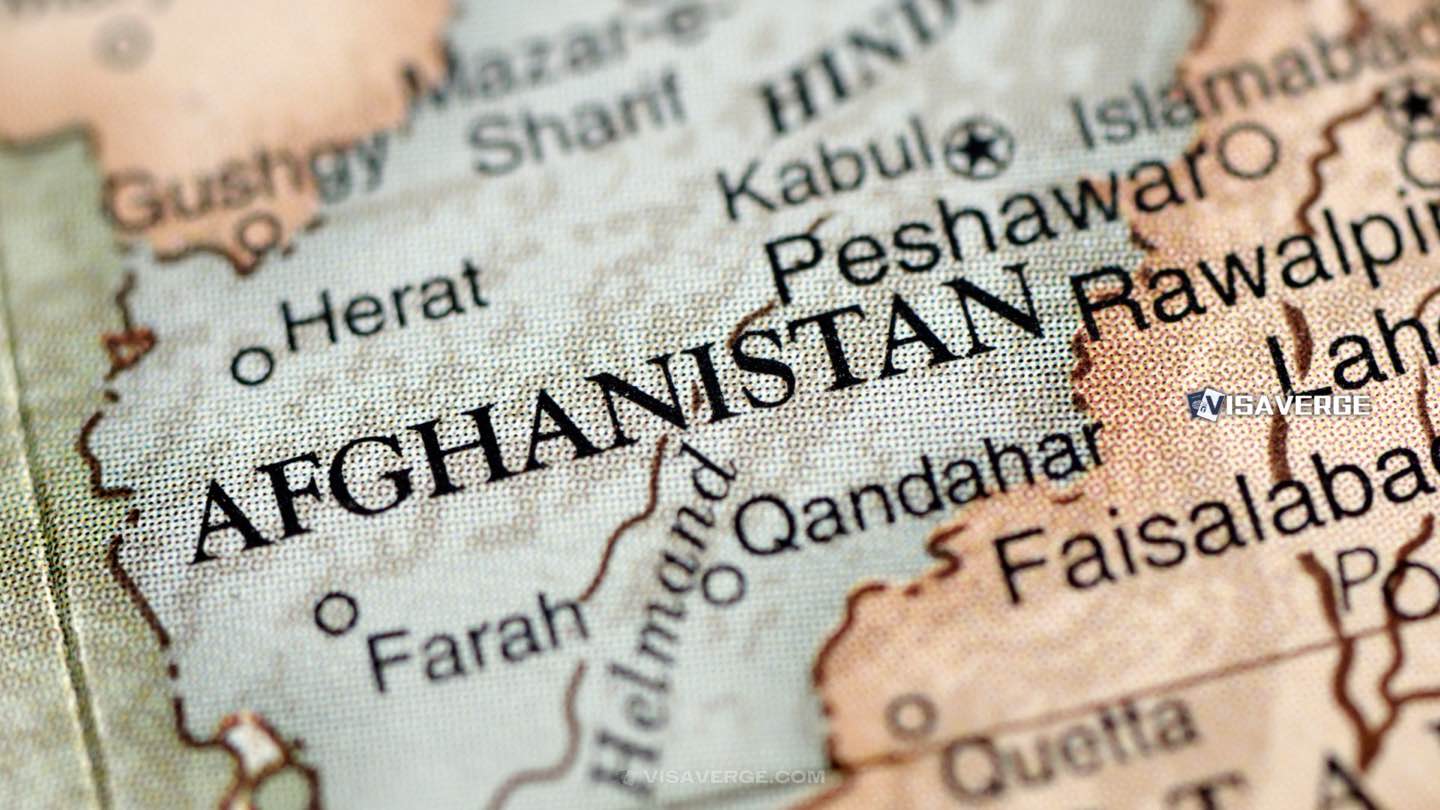
(SWEDEN) — Sweden’s Migration Minister Johan Forssell urged the European Union to set common procedures for issuing identification and travel documents to Afghans whose asylum applications have been denied, pressing for a bloc-wide system to make deportations possible.
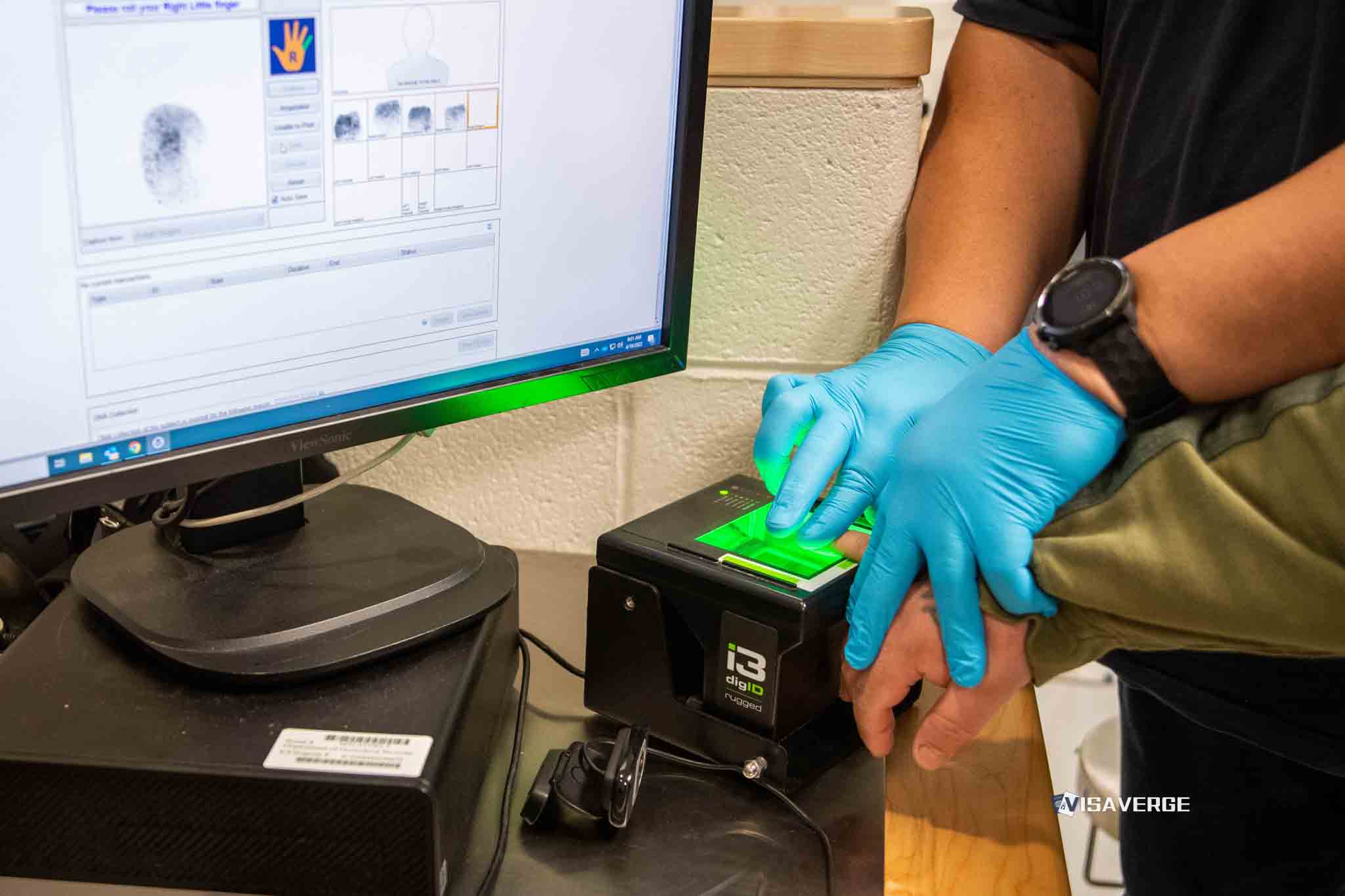
Forssell said Sweden backs EU contacts with Afghanistan’s authorities on the issue, while drawing a line between technical cooperation on documents and any political recognition of the Taliban government. He framed the problem as an operational one for migration authorities across Europe, where failed asylum cases can stall because people cannot be sent back without papers.

European Commissioner Magnus Brunner said member states are working with Afghanistan’s authorities to improve repatriation processes. His remarks aligned Sweden with a broader EU effort to find a mechanism for returns that has remained blocked for many Afghans.
Forssell made the case at an informal meeting of EU Justice and Home Affairs ministers in Cyprus, where migration ministers discussed how to handle Afghan nationals whose claims have been rejected. Sweden’s position centers on a practical obstacle: Afghan deportations are, in Forssell’s words, “virtually impossible” without proper identification and travel documents.
That obstacle has sharpened because the Taliban controls Afghan embassies in Europe. The diplomatic reality leaves European governments dealing with Afghan missions tied to authorities they do not want to legitimize politically, even as those same missions control access to the documents needed for return.
Forssell said the EU does not intend to legitimize the Taliban through political arrangements. He said the bloc can still pursue a technical agreement that allows Afghan nationals to receive the documentation required for repatriation.
Sweden has presented the issue as more than a procedural delay. Forssell said the country has faced cases involving Afghan nationals who committed crimes in Sweden but could not be expelled because they lacked documentation.
“If you come to Europe and you commit crimes, you have chosen yourself not to be part of our society. And we need to do everything we can to make sure that you are expelled,” Forssell said.
The minister’s call for standardized EU procedures points to a system he wants applied across the bloc rather than through separate national contacts and ad hoc arrangements. A common process for identification and travel papers would give member states a shared framework for dealing with rejected Afghan asylum cases, instead of leaving each government to handle document issues on its own.
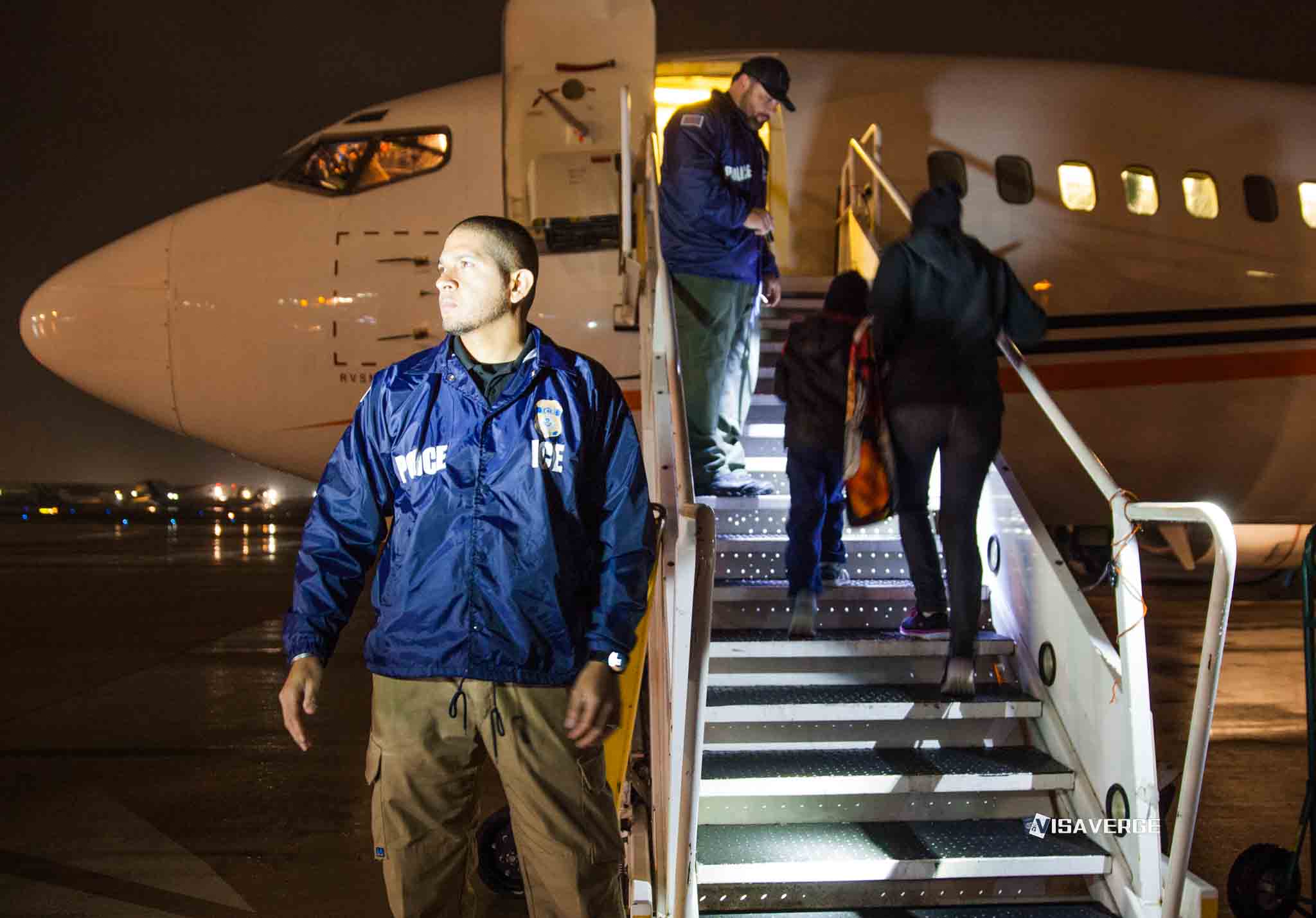
Forssell also proposed pooling Afghan nationals slated for deportation from several EU countries and returning them on chartered flights. That approach would tie documentation work to a wider returns mechanism, combining people from different member states once papers are in place.
He said more than half of Afghan asylum applications are expected to be rejected. That figure adds pressure to a system already struggling to remove people whose cases have failed, especially when travel documents remain out of reach.
Recent EU contacts with Afghan officials marked what Forssell called a “very positive first step” toward improving repatriation processes. His wording suggested support for further talks on the technical details of identification, even as Sweden insists those contacts should not amount to political recognition.
Brunner’s confirmation that member states are working with Afghanistan’s authorities gave that effort an EU-level endorsement. It also signaled that the debate has moved beyond whether contacts should happen at all and toward how far the bloc can go in building a return system without crossing its own political red lines.
The tension sits at the center of the EU discussion. Return authorities need documents, identity checks and a receiving side willing to process them. Dealing with the Taliban, even on narrowly defined administrative terms, carries political weight because the same authorities control the institutions Europe would need to work with.
Sweden’s argument is that those realities can be separated. Forssell has pushed the view that technical cooperation on travel documents does not require the EU to confer legitimacy on Afghanistan’s rulers, so long as any arrangement stays confined to repatriation procedures.
That distinction matters in practice because deportations often fail at the point of identity verification. Without papers or a recognized path to obtain them, return orders remain unenforced even after asylum claims are denied.
Forssell’s remarks in Cyprus placed Sweden among the governments pressing for a more uniform approach to returns. The proposal for shared procedures and joint charter flights would, if adopted, move Afghan deportations from scattered national efforts toward a collective EU mechanism.
Cases that cannot be enforced have become part of the political argument in Sweden. Forssell tied the debate directly to public order by citing Afghan nationals convicted of crimes who remained in the country because expulsion could not be carried out.
His message to EU partners was that the documentation problem is no longer peripheral to asylum policy. If more than half of Afghan applications are rejected, the question becomes whether member states can execute their own decisions once the legal process ends.
The answer, under current conditions, remains constrained by the status of Afghan embassies and the absence of a standardized system for papers. Sweden wants that gap filled through EU coordination, technical agreements with Afghanistan’s authorities and, where possible, chartered returns organized across several countries.
Brunner’s comments showed the bloc has already started along that path. Forssell’s position gave it a sharper edge: technical engagement with the Taliban-linked authorities for documents, no political legitimization of the Taliban, and a common EU process designed to turn rejected Afghan asylum decisions into enforceable deportations.