- Pakistan deported over 4,000 Afghan migrants in a single day, continuing a massive repatriation campaign.
- The total number of deportations in 2026 has surpassed 146,000 individuals amid worsening bilateral tensions.
- Human rights groups warn of non-refoulement violations as vulnerable refugees face persecution upon their forced return.
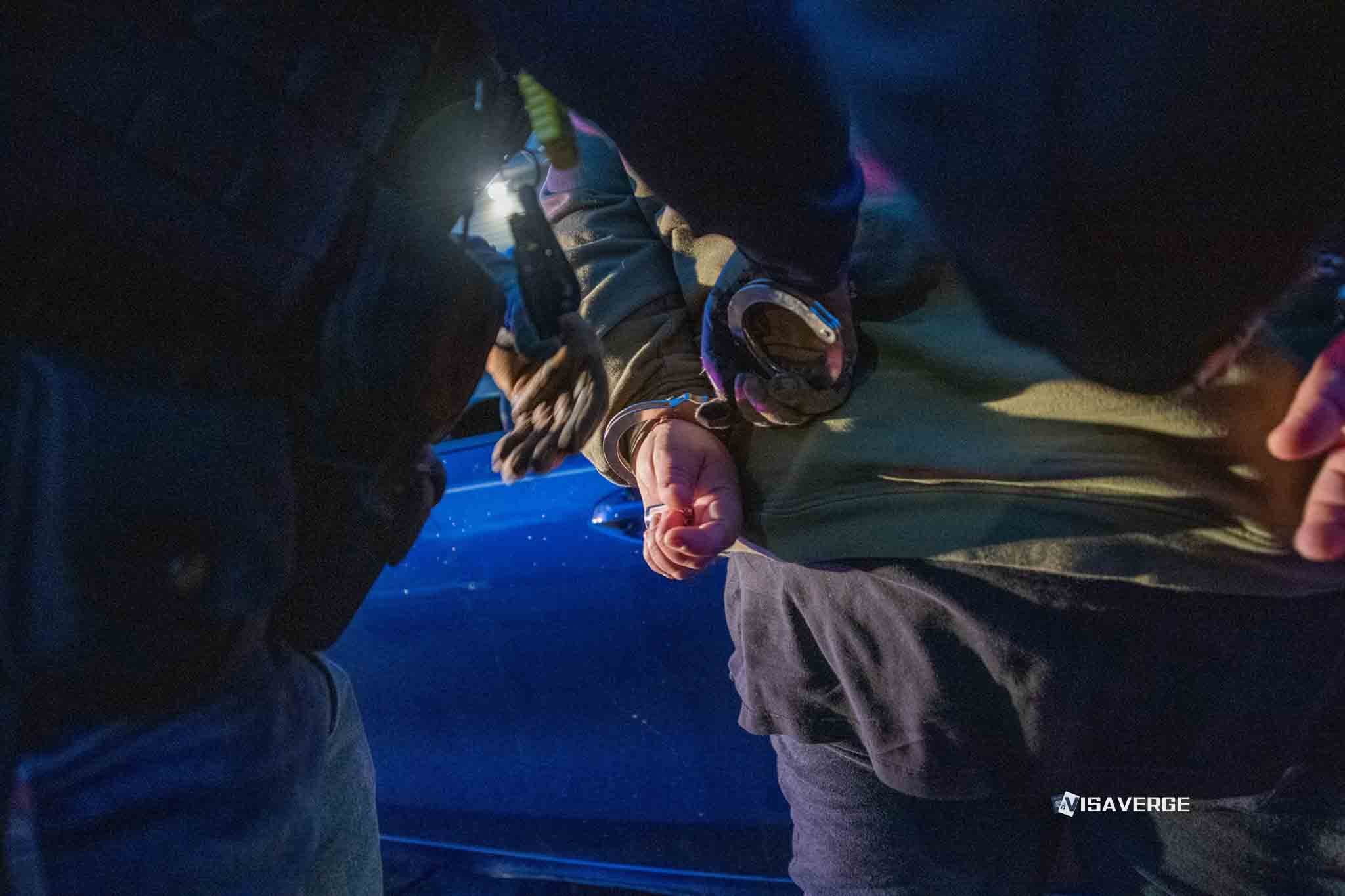
(AFGHANISTAN, PAKISTAN) — Taliban authorities said 4,146 migrants were deported from Pakistan on Tuesday, April 28, 2026, with returnees crossing into Afghanistan through Torkham and Spin Boldak as removals accelerated along the border.
The figure followed another deportation of 4,088 individuals on Saturday, April 25, 2026, extending a campaign that has pushed daily returns above 4,000 migrants in recent days.
Taliban officials, speaking through the Commission for Addressing Migrants’ Problems, said the pace of removals has driven the 2026 total to more than 146,000 Afghans. More than 1 million Afghans were forced back from Pakistan in 2025.
The expulsions come as relations between Pakistan and the Taliban have worsened, with border tensions feeding a broader crackdown carried out under Pakistan’s Illegal Foreigners’ Repatriation Plan. Pakistan has accused the Taliban of providing sanctuary to Tehrik-i-Taliban Pakistan, or TTP.
| India | China | ROW | |
|---|---|---|---|
| EB-1 | Feb 01, 2023 | Aug 01, 2023 ▲31d | Current |
| EB-2 | Nov 01, 2013 | Oct 01, 2021 | Apr 01, 2025 ▲90d |
| EB-3 | Jan 22, 2014 ▲21d | Jan 22, 2022 ▲14d | Jun 15, 2024 ▲31d |
| F-1 | Jan 22, 2021 ▲366d | Jan 22, 2021 ▲366d | Jan 22, 2021 ▲366d |
| F-2A | Oct 22, 2026 ▲30d | Oct 22, 2026 ▲30d | Oct 22, 2026 ▲30d |
Many of those being expelled once held Proof of Registration documents or Afghan Citizen Cards. Pakistan has largely halted renewals of those papers since 2023, leaving many Afghans exposed to arrest and removal.
Returnees are arriving in an Afghanistan where shelter, healthcare and jobs are scarce. Women and girls face immediate restrictions on education and public life under Taliban decrees.
Human Rights Watch and Refugees International have warned that the campaign breaches the principle of non-refoulement, which bars states from returning people to places where they face persecution. The groups tied their warnings to deportations involving former interpreters, civil servants and others seen as vulnerable inside Afghanistan.
Fereshta Abbasi, a Human Rights Watch researcher, said on April 22, 2026: “Pakistani authorities are spreading fear among Afghan refugees instead of treating them as people in need of protection. returning refugees to possible persecution and worse in Afghanistan.”
Reports published on April 23, 2026 described Pakistani police carrying out door-to-door raids, demanding bribes and detaining some Afghans even when they held letters from the U.S. Embassy. Those allegations add to pressure on families already facing removal after years in Pakistan.
Washington has not announced a policy response to the April 28 deportations, but recent U.S. actions have shaped the options available to Afghans seeking safety outside the region. On April 25, 2026, a State Department spokesperson said: “Moving Afghans. to a third country is a positive resolution that provides safety for these remaining people to start a new life outside of Afghanistan while upholding the safety and security of the American people.”
The U.S. government has also offered a stipend to Afghans who accept what it calls voluntary repatriation. Advocates have argued that the term does not match the circumstances facing people who must choose between forced return and relocation to places they regard as unsafe.
A separate U.S. policy shift took effect on April 29, 2026, when DHS published CIS No. 2841-26 in the Federal Register: USCIS Immigration Fees Rule (April 29, 2026). The interim final rule implements H.R. 1 and creates a new mandatory asylum fee while limiting the validity period of employment authorization for certain humanitarian applicants.
Those changes land on top of a pause that has been in place since January 20, 2025, halting the Enduring Welcome program for P1 and P2 cases. About 20,000 vetted Afghan allies remain stranded in Pakistan and Qatar under that suspension.
Information on the U.S. position has appeared through the State Department’s Afghanistan briefings, DHS press releases and USCIS Newsroom & Alerts. Those updates now sit alongside a deportation drive that is reshaping the Afghan refugee crisis at the Pakistan border by the day.
At Torkham and Spin Boldak, the numbers keep rising faster than Afghan authorities and aid groups can absorb them. Each convoy arriving from Pakistan adds to the strain inside a country where many of the people stepping off buses already know what awaits them under Taliban rule.