- A medical examiner classified the death of Nurul Amin Shah Alam as a homicide following neglect in custody.
- Refugees must navigate complex green card filing requirements within one year of their arrival in the United States.
- Budget cuts have shortened federal refugee assistance from twelve months down to only four months in 2026.
(BUFFALO, NEW YORK) — Erie County officials said the county Medical Examiner determined that Rohingya refugee Nurul Amin Shah Alam died from complications of a perforated duodenal ulcer, precipitated by hypothermia and dehydration, and listed the manner of death as homicide in a medical and vital-statistics classification that does not itself decide whether a crime occurred.
New York Attorney General Letitia James said her office was continuing to review the circumstances and treatment that led to Alam’s death. Buffalo Mayor Sean M. Ryan described Alam as a vulnerable man who was nearly blind and unable to speak English, and criticized U.S. Customs and Border Protection over the reported handling of his release.

Alam’s death in Buffalo has drawn attention to a problem refugee advocates and immigration lawyers often confront after arrival in the United States: legal admission does not shield refugees from custody transfers, language barriers, medical vulnerability, missed immigration filings, or the loss of contact with family and legal support.
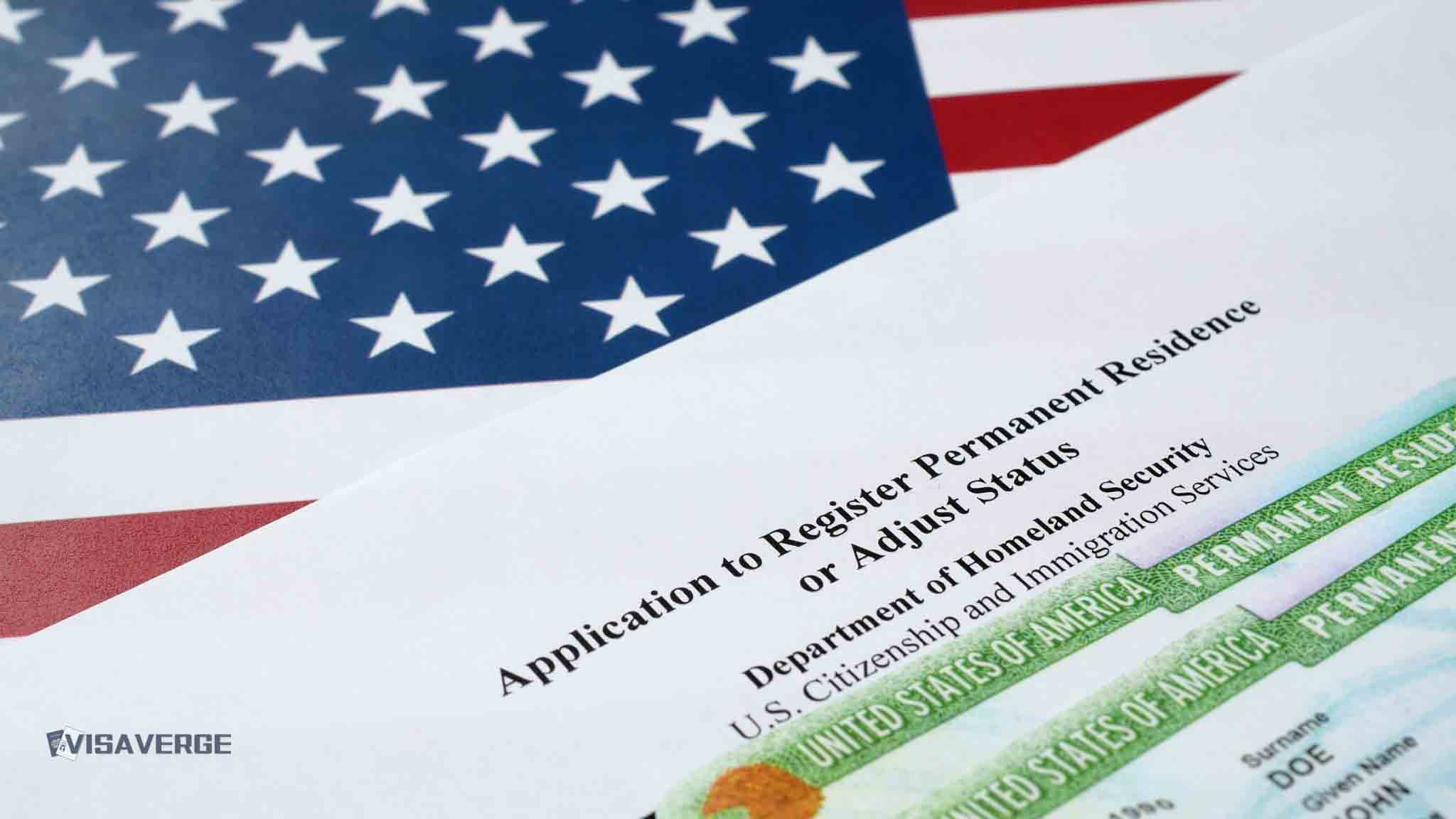
Federal regulations require refugee entrants to submit an application for permanent residence one year after entry. If USCIS approves the case, the agency admits the refugee as a lawful permanent resident as of the date of arrival in the United States.
| India | China | ROW | |
|---|---|---|---|
| EB-1 | Feb 01, 2023 | Aug 01, 2023 ▲31d | Current |
| EB-2 | Nov 01, 2013 | Oct 01, 2021 | Apr 01, 2025 ▲90d |
| EB-3 | Jan 22, 2014 ▲21d | Jan 22, 2022 ▲14d | Jun 15, 2024 ▲31d |
| F-1 | Jan 22, 2021 ▲366d | Jan 22, 2021 ▲366d | Jan 22, 2021 ▲366d |
| F-2A | Oct 22, 2026 ▲30d | Oct 22, 2026 ▲30d | Oct 22, 2026 ▲30d |
That makes green card filing more than routine paperwork. Refugees who miss the one-year adjustment stage can face delays, legal uncertainty, and added complications after an arrest, an address change, a lost document, or a missed USCIS notice.
Families working through the refugee system often assume the hardest stage ends once admission is granted. In legal terms, refugee admission is a protection. In daily life, it begins a new period of deadlines, records, benefits rules, and contact with agencies that may know little about a person’s language, disability, trauma, or immigration history.
That gap can weigh heavily on the Rohingya refugee community. The U.S. Holocaust Memorial Museum says the Rohingya have faced severe persecution, denial of citizenship, restrictions, mass atrocities, and genocide in Myanmar, and says the U.S. government determined in 2022 that the Burmese military’s crimes against the Rohingya amounted to genocide and crimes against humanity.
Many Rohingya refugees arrive after years of statelessness, displacement, interrupted education, trauma, and life in camps. UNHCR’s Bangladesh data portal says Bangladesh hosts close to one million Rohingya refugees, with Cox’s Bazar central to the humanitarian response.
Those conditions can shape nearly every encounter after arrival. A legally admitted refugee may still struggle to read notices, explain symptoms to medical staff, call a lawyer, understand a plea offer, appear at a USCIS appointment, or know what to do after release from custody.
Lawyers and resettlement workers often urge families to prepare the permanent residence case before the first anniversary date arrives. Refugees are expected to confirm the admission date, gather identity and immigration records, and prepare materials for Form I-485 well before the filing point.
Document retention can decide whether a later case moves smoothly or stalls. Refugees are generally advised to keep copies of the I-94 or refugee admission record, any employment authorization document, Social Security card, passport or other identity papers, USCIS notices and receipts, address history, vaccination and medical records, criminal court records, resettlement agency contacts, and attorney or accredited representative details.
Criminal court cases can also complicate adjustment even when entry to the United States was lawful. A plea that appears minor in criminal court can create immigration trouble later, especially in cases involving drugs, theft, violence, fraud, domestic conflict, weapons, or repeated arrests.
Language access sits near the center of the Buffalo case. If a person does not speak English, cannot read forms, or lives with a disability, release instructions and legal notices can become meaningless unless the person actually understands them.
DHS language access policy says the department’s policy is to provide meaningful access for people with limited English proficiency to DHS operations, services, activities, and programs. Federal health-care civil-rights rules also require covered entities to take reasonable steps to provide meaningful access to individuals with limited English proficiency, and require language assistance to be free, accurate, timely, and protective of privacy and independent decision-making.
Families with vulnerable relatives often prepare a simple card in English for emergencies. The suggested wording is: “I am a refugee. I have limited English. I need an interpreter. Please contact my family, attorney, or resettlement agency.”
That card can include a name, date of birth, A-number if available, language, medical conditions, disability information, emergency contacts, and attorney or caseworker details. In Alam’s case, the reported combination of limited English and near blindness sharpened questions about whether public systems were equipped to protect him after release.
Custody release has emerged as another pressure point. CBP’s national standards cover transport, escort, detention, and search, and include requirements related to the care of at-risk individuals in custody, but the handoff from one system to another can carry the highest risk.
That transition may involve movement from jail to immigration custody, immigration custody to street release, hospital to shelter, or police station to family pickup. Refugees with blindness, trauma, mental-health concerns, limited English, or no local support can face immediate danger if release happens without interpretation, weather-appropriate clothing, transportation, phone access, medical accommodation, and notice to family or counsel where permitted and appropriate.
The pressure has grown as federal support windows narrowed. Federal refugee regulations describe the Refugee Resettlement Program as helping refugees achieve economic self-sufficiency as quickly as possible, but in March 2025 the Office of Refugee Resettlement announced that Refugee Cash Assistance and Refugee Medical Assistance eligibility would be shortened from 12 months to four months for participants who become eligible after the notice period, citing budget constraints.
That change leaves less time for newly arrived families to learn immigration deadlines, health insurance rules, school systems, local transportation, emergency services, and court procedures. It also raises the stakes for keeping records in order from the start, because missing a receipt notice or losing proof of a filing can trigger problems that are hard to fix later.
Alam’s death has also fed a policy debate in New York over state and local cooperation with federal immigration authorities. The New York for All Act, pending in the state legislature, would restrict certain state and local actors from asking about citizenship or immigration status, disclosing immigration-related information, or transferring people to immigration authorities without a valid court order or judicial warrant.
Supporters view those rules as a way to prevent local systems from acting as extensions of federal immigration enforcement. Critics generally argue that cooperation with immigration authorities is necessary for public safety.
Inside refugee households, the questions tend to be more immediate than the state policy fight. Families often focus on whether an elderly, disabled, blind, non-English-speaking, or medically fragile relative can be identified quickly, whether USCIS addresses have been updated after a move, whether proof of every filing has been saved, and whether someone knows which lawyer, resettlement agency, or hospital to call in a crisis.
Alam’s case turned those quiet preparations into a national warning. A Rohingya refugee can enter the United States through a lawful protection system and still confront a chain of failures after arrival, from a missed adjustment deadline to a release that leaves a vulnerable person alone in dangerous conditions.
In Buffalo, the official review now underway has left refugee families studying their own records, deadlines, and emergency plans with fresh urgency. Alam’s death has placed one fact in plain view: refugee status opens the door to safety, but keeping that protection intact often depends on documents, language access, medical continuity, and the one filing that turns admission into permanent residence.