- The U.S. implemented visa restrictions for 39 countries effective January 2026, impacting World Cup travelers.
- Some visitors may face refundable bonds up to $15,000 to ensure compliance with visa departure terms.
- FIFA ticket holders might receive expedited visa appointment priority, though entry is not guaranteed for fans.
(UNITED STATES) – The United States expanded visa restrictions to 39 countries on January 1, 2026, tightening entry rules just as international fans prepare for World Cup 2026 and raising new barriers for travelers who need B1/B2 visitor visas to attend matches.
Nineteen countries now face full visa suspensions and another 20 face partial restrictions. Nearly all affected countries have suspended issuance of B1/B2 visitor visas, the category most fans would use for short visits tied to the tournament.
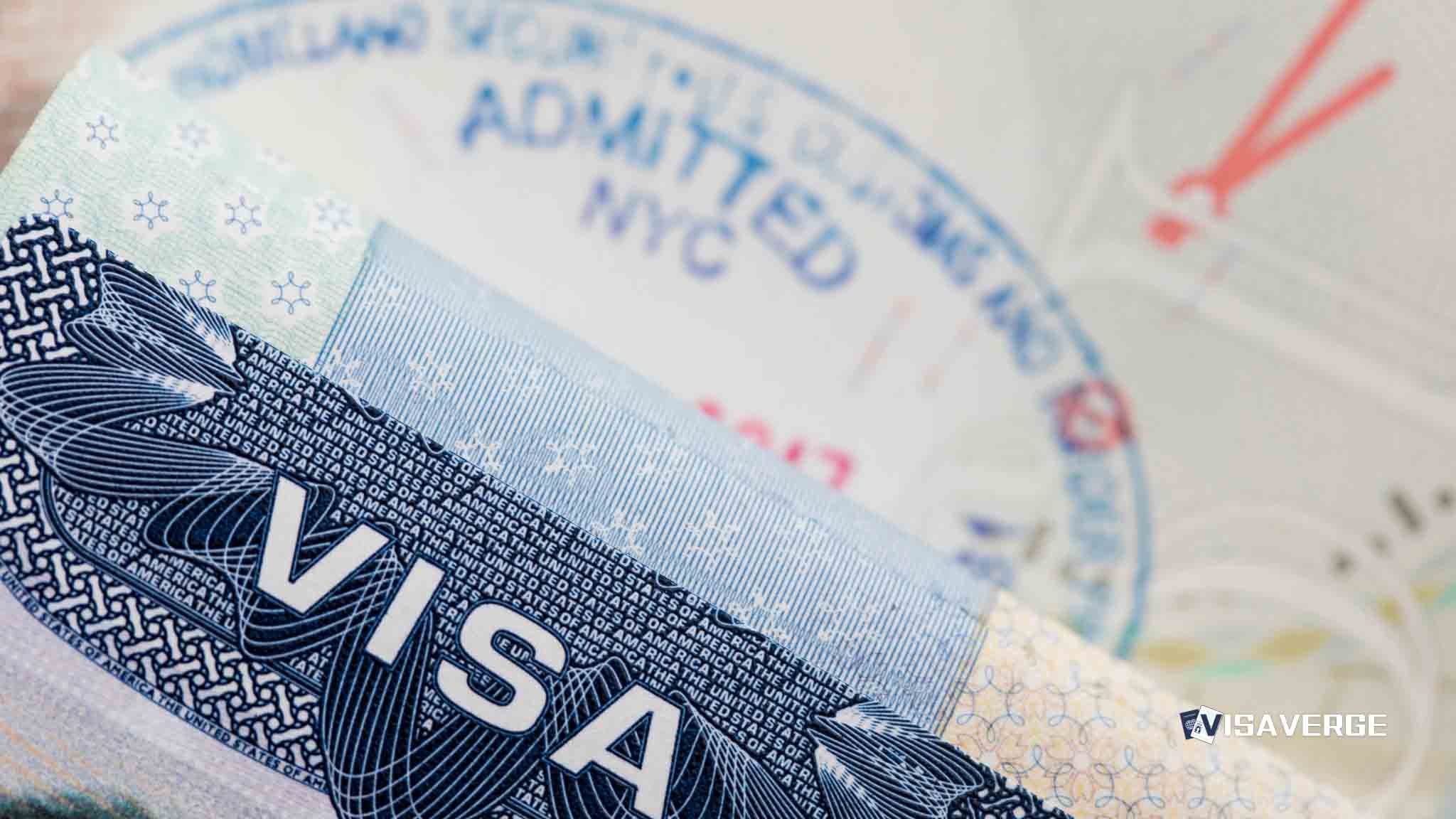
Citizens of restricted countries cannot obtain B1/B2 visitor visas unless they hold dual nationality with a country outside the travel bans. The suspension also applies to people using travel documents issued by the Palestinian Authority.
That shift has altered the basic planning equation for fans who, at earlier tournaments, could treat a match ticket as the hard part and the border crossing as routine. In the run-up to matches across the United States, the visa system now stands alongside hotel rates and airfare as a central obstacle.
| India | China | ROW | |
|---|---|---|---|
| EB-1 | Feb 01, 2023 | Aug 01, 2023 ▲31d | Current |
| EB-2 | Nov 01, 2013 | Oct 01, 2021 | Apr 01, 2025 ▲90d |
| EB-3 | Jan 22, 2014 ▲21d | Jan 22, 2022 ▲14d | Jun 15, 2024 ▲31d |
| F-1 | Jan 22, 2021 ▲366d | Jan 22, 2021 ▲366d | Jan 22, 2021 ▲366d |
| F-2A | Oct 22, 2026 ▲30d | Oct 22, 2026 ▲30d | Oct 22, 2026 ▲30d |
Travelers from countries in the Visa Waiver Program may still enter with the Electronic System for Travel Authorization, known as ESTA, for up to 90 days for tourism. Eligibility varies by country.
The State Department has also widened its Visa Bond Pilot Program, adding a second layer of cost for some applicants who still qualify to seek a tourist visa. Consular officers may require certain B1/B2 applicants to post a refundable bond of $5,000, $10,000, or $15,000 before a visa is issued.
The government set that bond as a compliance measure tied to timely departure and observance of visa terms. Applicants who meet those terms and leave before their admission expires receive the money back.
For fans already budgeting for flights, lodging and match tickets, the bond requirement can function like a second admission price, even though it is refundable. It arrives on top of the ordinary costs of applying for travel and, for some families, can determine whether the trip remains possible at all.
Ticket prices have also climbed to levels not seen in previous tournaments. World Cup 2026 seats range from $60 for the Supporter Entry Tier, available only through national federations, to $10,990 for Category 1 seats at the final.
Public prices start at $120 for Category 3 neutral group-stage matches and run to $3,295 or more for semifinals. All prices carry a 15% FIFA service fee at checkout.
FIFA also raised the top final ticket price during a reopening of sales. The highest-priced final seat climbed to $10,990 from $8,680, while the Category 1 final ticket at $7,875 is four times the price of the equivalent seat for the 2022 final in Qatar.
Prices vary sharply by venue and opponent, reinforcing how the tournament’s commercial appeal changes from one city and one match to the next. Mexico’s opening match at Estadio Azteca on June 11 starts at £1,522, or roughly $1,900+, making it the most expensive group-stage match in the tournament.
England supporters face a total starting cost of £1,543 for all three group-stage matches, an average of £514 per game. New Zealand offers the cheapest complete group-stage option at £478.
Individual match prices stretch from $237 for a game at SoFi Stadium on June 15 to $2,626 for the Estadio Azteca opener on June 11. Those figures sit apart from airfare, lodging, local transport and any visa-related bond.
Fans paying premium rates have also reported a mismatch between price and placement. Some said seats costing thousands of dollars were not in traditional premium areas, adding frustration to a sales process already defined by scarcity and rising totals.
That complaint cuts at one of the tournament’s selling points. A high-end seat typically carries an expectation of central sightlines or hospitality-adjacent placement, and dissatisfaction grows faster when the listed category and the physical location do not match what buyers expected from the price alone.
Federal officials have signaled that ticket holders may receive help with one part of the process. FIFA ticket holders may get priority for expedited tourist visa appointments, and the White House task force on the tournament indicated that a system for expedited appointments would be running by the end of January.
Priority access to an appointment does not resolve the larger question of admissibility. A World Cup ticket does not guarantee entry into the United States.
That distinction matters most for fans from countries now under full or partial restrictions, because a faster appointment cannot overcome a visa suspension. It also matters for travelers who can still apply but may be asked to post one of the new bonds before receiving approval.
The combined effect is a tournament that promises record attendance and record revenue while asking many overseas supporters to clear more hurdles than in past World Cups. Some can still travel through ESTA, some can apply for a tourist visa and some may gain faster interview access through their match tickets, but others now face an outright bar before they reach the ticket portal or the airport check-in counter.
World Cup 2026 will still draw visitors across North America, but the path into the United States no longer turns on demand alone. It turns on nationality, visa category, bond requirements, appointment access and, for those who make it through all of that, whether a seat priced in the thousands delivers what the buyer thought it would.