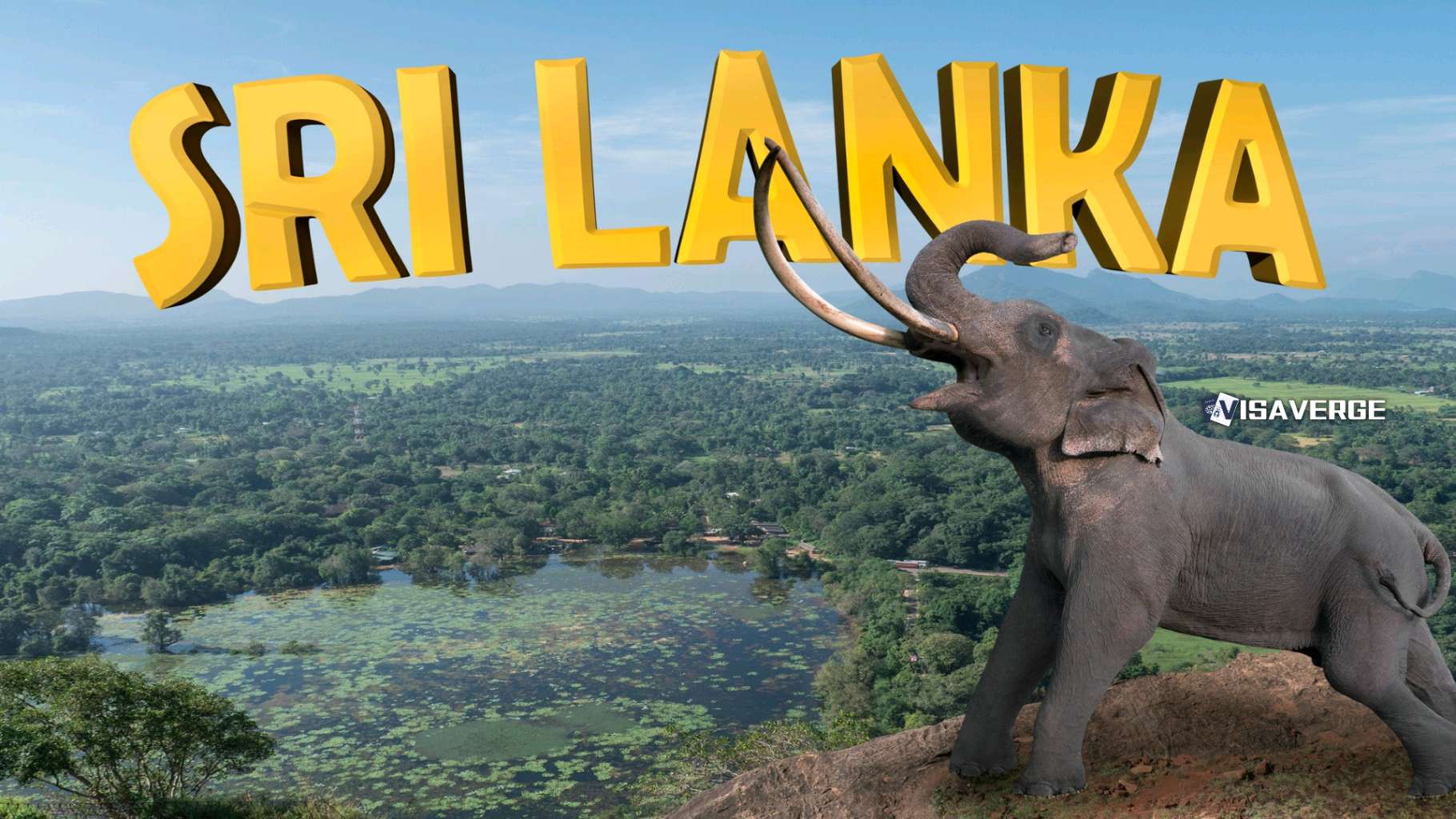
- Sri Lanka has launched a Digital Nomad Visa as of April 20, 2026, for remote professionals.
- Applicants must demonstrate a minimum monthly income of $2,000 from foreign sources exclusively.
- The visa permits a renewable 365-day stay with an initial application fee of $500.
(SRI LANKA) – Sri Lanka has implemented a Digital Nomad Visa for remote workers, freelancers and business owners who want to live in the country while continuing to work for employers or clients based overseas.
The new visa took effect on April 20, 2026, after the government first announced the plan in 2023. It creates a legal route for foreign nationals to stay in Sri Lanka for long periods while earning income from outside the country.

Officials set the visa at 365 days, with the status renewable annually if applicants continue to meet eligibility and compliance rules. The first-year application fee is US$500 for each applicant.
Applicants must be foreign nationals aged 18 and older. They must show a Minimum Monthly Income of US$2,000 from sources exclusively outside Sri Lanka, a threshold aimed at remote professionals whose earnings come from abroad rather than the local labor market.
Dependents raise the income requirement. Applicants must show an additional US$500 per month for each spouse or dependent child.
The program is open to remote employees, freelancers and business owners whose companies are not registered in Sri Lanka. It does not allow local employment inside the country.
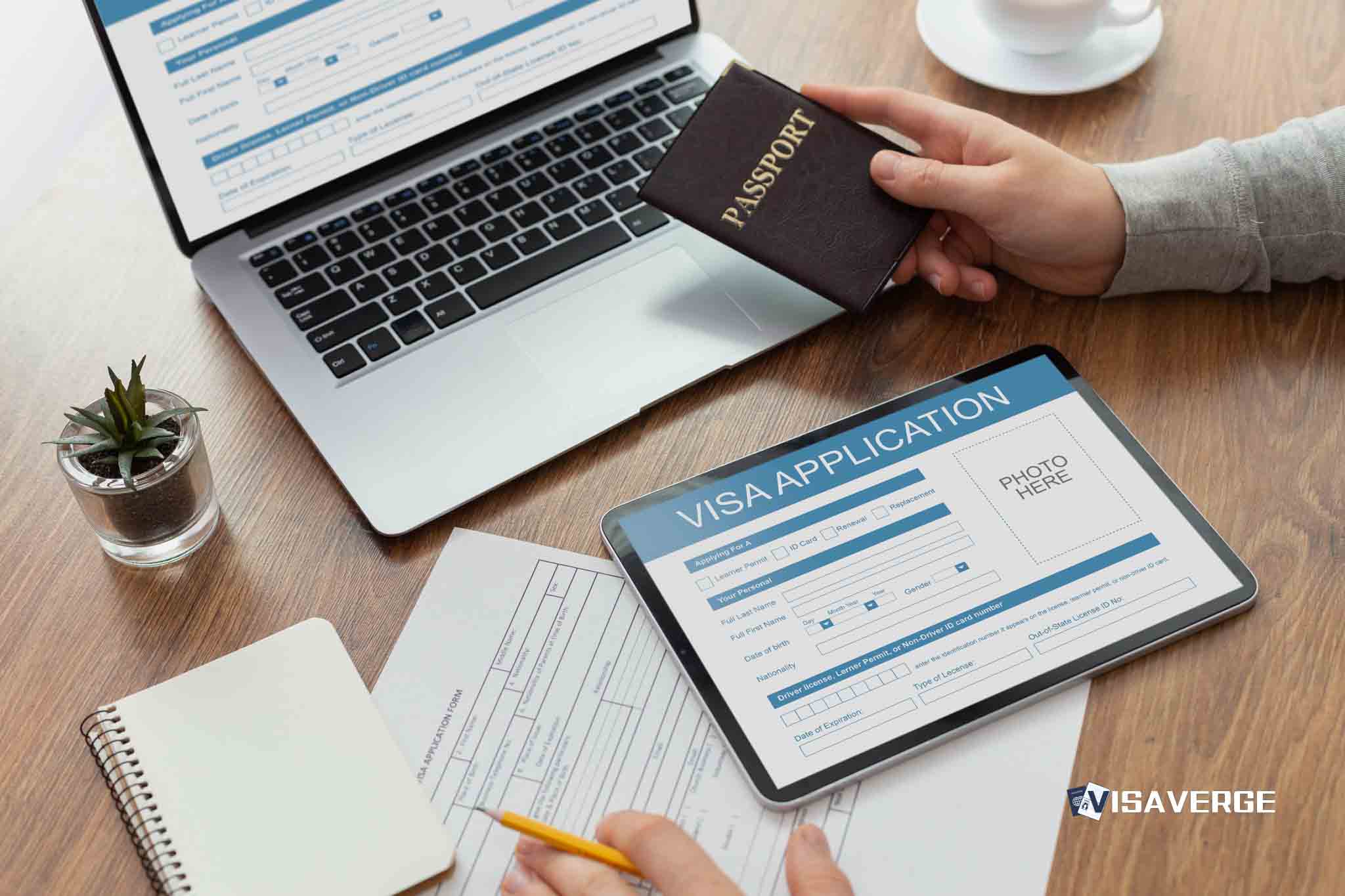
Income proof forms a central part of the application. Sri Lanka requires bank statements covering 3-6 months or employment contracts that show foreign income sources.
Applications go through the Department of Immigration and Emigration’s Electronic Travel Authorization system rather than an embassy counter. The government said applicants can file online through the ETA portal or the immigration department website, removing the need for in-person embassy visits.
That online process places Sri Lanka in the growing group of countries offering remote-work permits through digital filing systems. In Sri Lanka’s case, the government tied the visa to a broader effort to position the island as a long-stay destination for digital professionals while supporting economic recovery after the country’s recent economic crisis.
The rights attached to the visa go beyond short tourist stays. Holders can reside legally in Sri Lanka for 12 months while continuing to work remotely for overseas employers or clients.
They can also open and maintain personal bank accounts, sign property rental or lease agreements, and access local telecommunications, internet and utility services. The visa also permits use of co-working spaces, a feature aimed at remote professionals who need stable work facilities during longer stays.
Families receive a defined set of options under the program. Dependent children can enroll in international or private schools, linking the visa not only to solo remote workers but also to households planning a year-long stay.
The limits are equally clear. A visa holder can live in Sri Lanka and work online for foreign employers or clients, but cannot take a job in Sri Lanka’s domestic market.
That distinction sits at the center of many remote-work visa programs, and Sri Lanka has written it directly into this one. The government is offering residency rights connected to foreign-earned income, not permission to compete for local employment.
For applicants, the financial thresholds create a simple first test. A single applicant must meet the US$2,000 monthly income rule, while a spouse or each dependent child adds another US$500 a month to the amount that must be documented.
Documentation will likely determine how smoothly an application moves. Bank statements for the previous 3-6 months or an employment contract must show that income comes from outside Sri Lanka, matching the program’s requirement that earnings be foreign-sourced.
That means the visa fits a specific class of worker. Remote staff employed by overseas companies, freelancers billing foreign clients, and business owners running firms not registered in Sri Lanka fall within the permitted categories; workers seeking local jobs do not.
The Digital Nomad Visa also gives longer-term practical access that tourist status often does not easily provide. A person staying for nearly a year may need a bank account, a lease, school enrollment for children, internet service and workspace, and Sri Lanka has explicitly listed those activities as allowed under the visa.
The annual structure matters as well. A 365 days visa that is renewable annually gives remote professionals a route to remain beyond a single year, provided they keep meeting the rules and remain in compliance.
Applicants considering that path need to prepare for more than the first filing. Ongoing eligibility, continued foreign income and compliance with visa conditions shape whether the status can be renewed after the initial year.
Families weighing the move must also account for dependents in both financial and practical terms. The extra US$500 monthly income requirement for each spouse or child sits alongside school planning, housing arrangements and access to utilities and telecommunications during a longer stay.
Sri Lanka’s rollout came years after the visa was first announced. The gap between the 2023 announcement and the April 20, 2026 implementation date means the measure moved from policy intention to an active application route only this month.
With the program now live, the rules are straightforward: applicants must be at least 18, earn at least US$2,000 a month from outside Sri Lanka, document that income through recent bank statements or contracts, and apply online for a visa that costs US$500 in its first year. In return, Sri Lanka offers a year of legal residence, remote work rights tied to overseas income, and access to the practical services that make a long stay possible.