- CBP officers seized $1.1 million of cocaine hidden inside a vehicle at the Otay Mesa port.
- A U.S. citizen was arrested after misusing a trusted-traveler lane for alleged drug smuggling.
- The incident results in the immediate revocation of expedited-crossing benefits and permanent loss of trusted status.
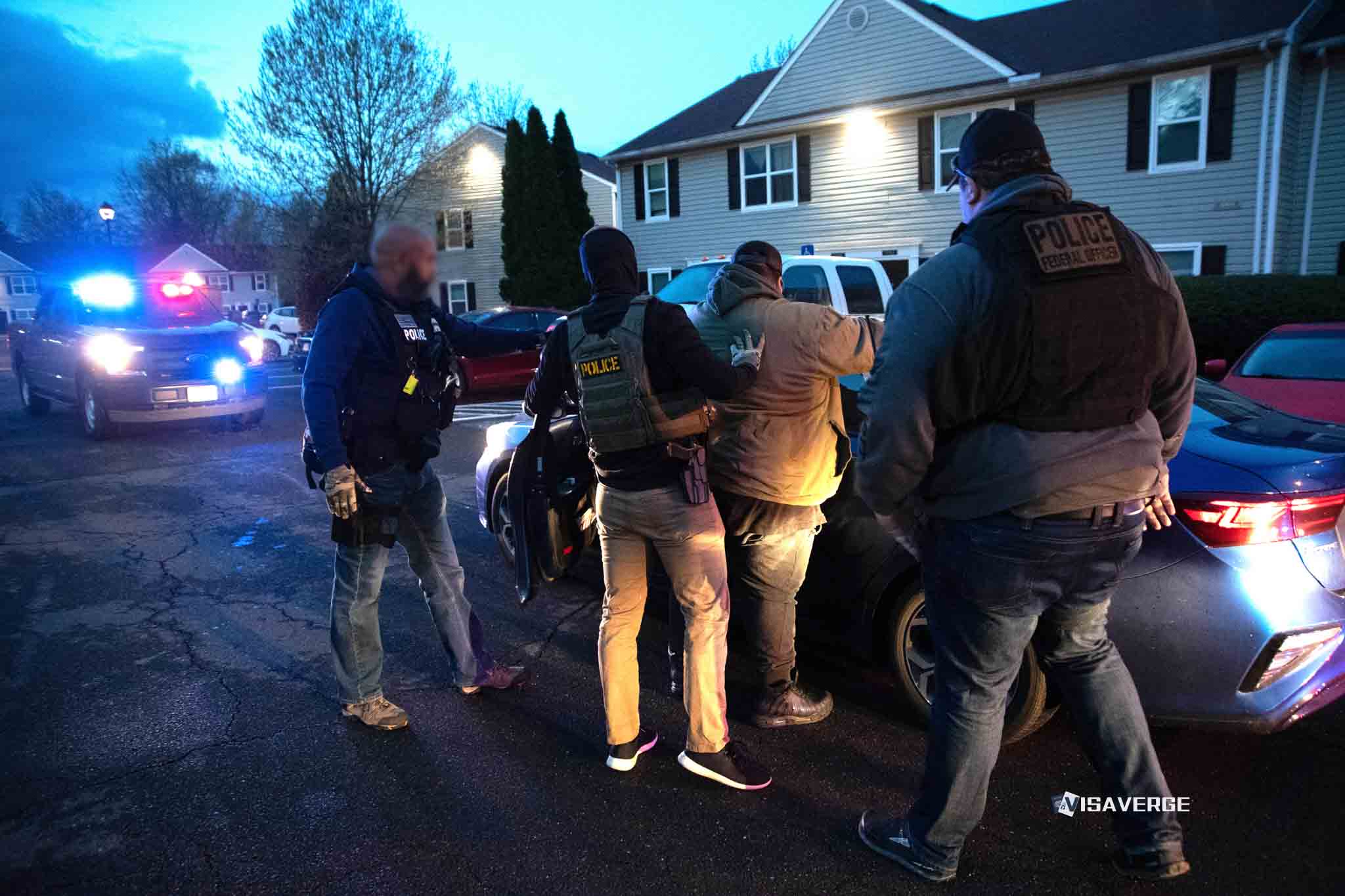
(OTAY MESA, CALIFORNIA) — U.S. Customs and Border Protection officers referred a driver in a trusted-traveler lane at the Otay Mesa Port of Entry to secondary inspection in early April 2026, found cocaine hidden in vehicle compartments including the doors, seized the drugs, the car and two cell phones, and arrested the driver on federal drug-importation and drug-trafficking charges.
CBP said the seizure involved more than $1.1 million worth of cocaine. The driver was reported as a U.S. citizen.
The arrest put the criminal case first, but it also carried immediate border-screening consequences. Trusted-traveler enrollment is a privilege tied to “low-risk” status, and a narcotics arrest at a port of entry can trigger denial or revocation of expedited-crossing benefits as federal prosecutors pursue the charges.
Otay Mesa is one of the busiest Southern California land crossings for lawful trade and travel. That mix of heavy traffic and enforcement pressure makes the port a place where CBP relies on layered screening tools and inspections, including procedures aimed at finding hidden compartments in vehicles entering from Mexico.
In this case, officers sent the driver out of the trusted-traveler lane and into secondary inspection, a step that can shift a routine crossing into a far more searching review. Officers then found the cocaine concealed inside the vehicle and took the narcotics, the vehicle and the two phones into custody.
CBP has long treated expedited programs such as SENTRI and Global Entry as benefits reserved for travelers the agency considers reliable. Applicants and current members are vetted against criminal, law-enforcement, customs and immigration records, and that screening does not stop once a person receives approval.
An arrest or customs violation can change that status quickly. CBP’s eligibility rules say people may be denied membership or lose it if they face criminal charges or are found to have violated customs or immigration laws.
That makes a trusted-traveler lane a monitored entry point, not a shield from inspection. The Otay Mesa case underscored that point as officers pulled a driver from expedited processing and into a narcotics investigation that ended in arrest.
The direct immigration issue in this case did not involve removal from the United States because the driver was reported as a U.S. citizen. The more immediate fallout lay in border mobility itself, especially the likely loss of trusted-traveler privileges and more intensive scrutiny on future crossings.
Once expedited status is revoked, the change can affect every later encounter at the border. Travelers can face longer waits and more frequent referrals to secondary inspection while officers review records and assess prior enforcement history.
A Government Accountability Office report noted that CBP and the Transportation Security Administration use reconsideration processes for trusted-traveler denials and revocations. Those reviews do not erase the underlying enforcement event, and they do not replace the criminal or customs case that triggered the action.
Cases like the one at Otay Mesa carry wider consequences for noncitizens than for U.S. citizens. A visa holder, lawful permanent resident, border-crossing card holder or other noncitizen accused of drug smuggling at a port of entry can face overlapping exposure that extends beyond prosecution to visa revocation, inadmissibility findings, detention and removal proceedings.
That difference shapes how a border arrest lands in immigration law. A U.S. citizen can face the criminal charges and the loss of crossing privileges; a noncitizen can confront those penalties while also risking the legal right to enter or remain in the country.
Cross-border commuters, students, professionals and dual-national families often rely on expedited inspection programs to keep daily routines intact. When that access disappears after an arrest or violation, the effect is not limited to a single trip through the port.
CBP has repeatedly emphasized that trusted-traveler lanes are intelligence-driven enforcement environments. The agency has published earlier cases in which SENTRI members were arrested and their memberships revoked after officers found narcotics in their vehicles.
Those cases established a pattern that matters at Otay Mesa. Expedited processing depends on continued compliance with customs and criminal-law requirements, and CBP treats misuse of a trusted-traveler lane as both a border-security issue and a breach of the trust on which the program rests.
Secondary referral often marks the point where several systems meet at once. Customs inspection, criminal exposure and immigration screening can converge there, and the consequences can outlast the initial enforcement stop even before a prosecution reaches a result.
That is especially true in narcotics cases at land ports of entry, where officers look for concealed compartments and other signs of smuggling. In the Otay Mesa seizure, CBP said its layered screening tools and inspection methods identified cocaine hidden inside the vehicle, turning an attempted border crossing into a federal case.
The role of the trusted-traveler lane also gave the arrest added weight inside the border-screening system. Expedited enrollment does not narrow CBP’s authority to inspect a vehicle, and it does not prevent officers from escalating a crossing to a deeper search when they suspect contraband.
Future inspection history can shift even before any court reaches a judgment. Inspection records themselves can lead to a harsher profile at the border, and noncitizens can face collateral consequences in later visa, admission or benefit matters tied to the same event.
CBP did not frame the Otay Mesa seizure as an immigration case in the ordinary visa-or-deportation sense. Still, the arrest showed how a port-of-entry narcotics case can alter a traveler’s relationship with the border immediately, starting with access to a trusted-traveler lane and extending to every later inspection.
Federal prosecution now sits alongside that border fallout. At Otay Mesa, what began as a referral out of an expedited lane ended with more than $1.1 million worth of cocaine seized, a vehicle and two cell phones in custody, and a driver facing charges that can follow every future encounter with CBP.